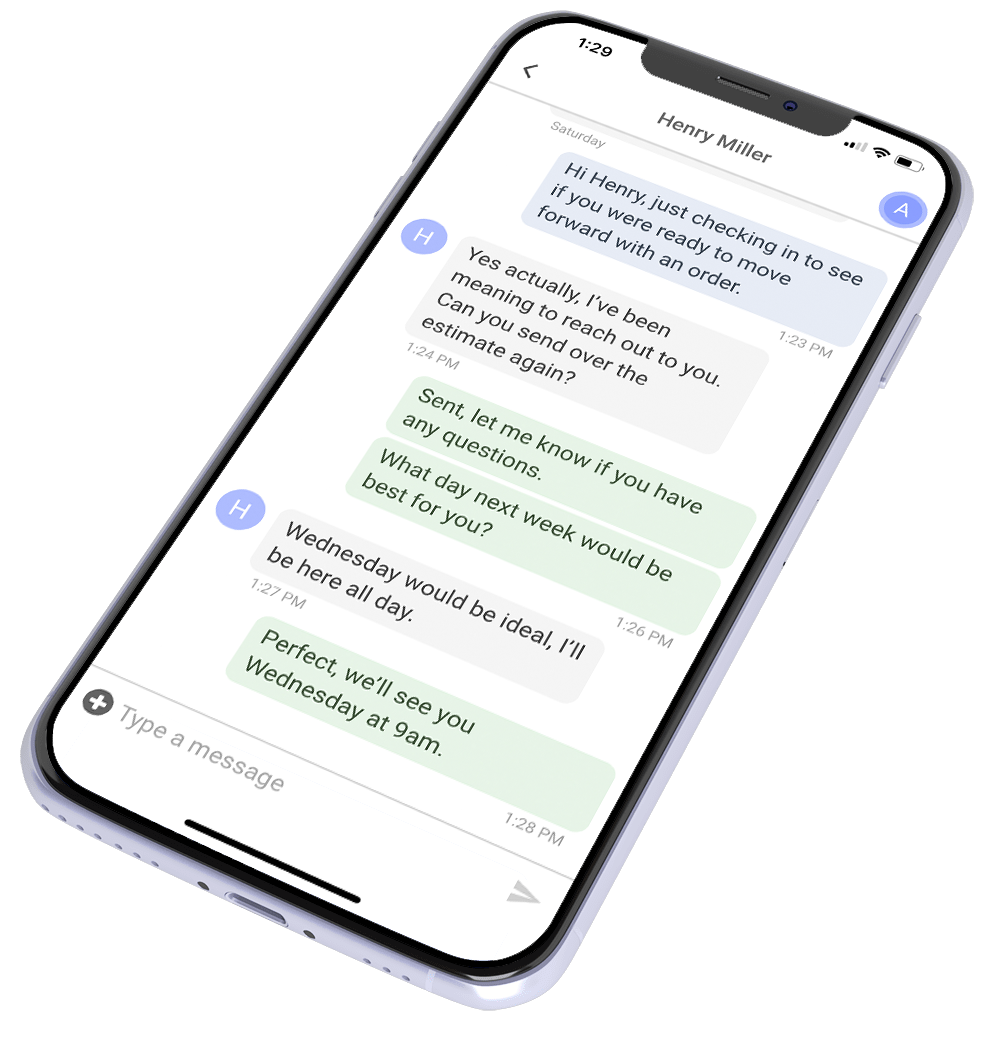
Most roofing automation approaches fail because contractors try to automate processes that were never clearly defined in the first place. Adding software for follow-ups, lead tracking, or communication cannot fix inconsistent workflows or missed opportunities. Roofing is a relationship business. Homeowners are making a major financial decision with a contractor they may have never worked with before, and the way you communicate throughout the process directly affects trust.
Successful roofing automation is not about replacing homeowner conversations. It is about helping your team communicate more consistently, follow up better, and create the kind of experience that helps you sell more jobs.
Automation Should Strengthen Trust, Not Replace It
John DeLaurier, co-founder of ProLine, has built his approach to roofing technology around a simple idea: automation only works when it helps contractors create more value for homeowners.
The purpose of automation is not to remove communication from the sales process. It is to make sure important conversations happen consistently. In roofing, trust is the foundation of the sale.
Homeowners are making a major financial decision with a contractor they may have never worked with before. A missed call, forgotten follow-up, or unclear update can weaken that trust quickly. That is why effective automation should support the relationship between contractor and homeowner.
The best systems handle repetitive administrative work while giving teams more time to educate customers, answer questions, and provide a better experience. Automation should make communication easier, not make the business feel less human.
The Main Issue: Automating Before Building a Process
Did you know that many AI strategies never achieve their intended goals? In fact, automation can sometimes be counterproductive as it can kill your productivity and make your team less efficient. It does not happen because automation itself is a futile effort; it happens when you don’t realize how to automate your roofing operations the right way.
The most common mistake contractors make with automation is trying to solve a process problem with technology. A roofing company might decide it needs automated follow-ups because leads are going cold. But before adding automation, the company needs to understand why leads are going cold in the first place.
- Are sales reps waiting too long to respond?
- Are leads being assigned but never contacted?
- Are homeowners asking questions that nobody is tracking?
- Are opportunities disappearing because nobody knows the next step?
Automation works best when it supports a process that already exists. It can remind a salesperson to follow up, notify a manager about an aging opportunity, or keep communication organized. What it cannot do is create a sales process from nothing.
This is where contractors get frustrated with new software. They expect the system to create better results automatically, but the system is only as effective as the workflow behind it.
Before automating anything, roofing companies should define the basics:
- How quickly should a new lead receive a response?
- How many follow-ups should happen before an opportunity is considered inactive?
- Who owns each stage of the sales process?
- What information needs to be captured after every homeowner conversation?
Once those answers are clear, automation becomes a tool that reinforces good habits instead of creating more confusion. As we explain in our YouTube video, a major automation mistake is killing your close rate. Watch this detailed breakdown of how counterproductive automation can actually slow down your sales process.
The Automation Mistake That’s Killing Your Close Rate
Too Many Roofing Companies Automate Tasks Instead of Improving Communication
Another reason roofing automation fails is that contractors often focus only on saving time. Saving time matters. Roofing owners and sales managers have enough responsibilities already. Between inspections, estimates, crews, scheduling, supplements, and homeowner questions, there are always more tasks waiting.
But automation should not only make your internal operations easier. It should improve the homeowner experience. That distinction matters because roofing sales depend heavily on trust.
A homeowner does not know your company before the first conversation. They are deciding whether they believe you will show up, communicate clearly, complete the work correctly, and stand behind the result. Communication is one of the few things a roofing company can control throughout the entire process.
A missed call, unanswered question, or delayed follow-up may seem small internally, but homeowners notice those moments. They use those interactions to decide how much confidence they have in your company. This is why ProLine approaches CRM differently. Customer relationship management has three words, but the most important one is relationship. The formula is simple:
Communication → Relationship → Revenue
Better communication creates stronger relationships. Stronger relationships help homeowners feel confident choosing your company. Automation should support that relationship, not remove it. The key is to design an automation approach that fits smoothly into your roofing team’s daily tasks instead of asking them to fit around it.
Adding More Software Can Create More Problems
Many growing roofing companies end up with a collection of tools that each solve one small problem. One platform manages leads. Another handles estimates. Another tracks projects. A spreadsheet tracks sales activity. Text messages contain important homeowner conversations.
Each tool may work individually, but together they create disconnected information. The problem appears when the business starts growing.
A sales manager may not know which leads need attention. An office employee may not see previous homeowner conversations. An owner may not have an accurate picture of the pipeline without asking several people for updates. That lack of visibility slows down decision-making.
A CRM should give your team one place to understand what is happening with each opportunity. It should show where a homeowner is in the process, what communication has already happened, and what action needs to happen next.
For roofing companies, that visibility becomes even more important because the sales cycle is not always immediate. A homeowner may need time to review an estimate, talk with their spouse, or wait for insurance decisions. Without a system, those opportunities can quietly disappear. With the right CRM, your team knows which relationships need attention.
Poor Data Makes Roofing Automation Break Down
Automation depends on accurate information. If your team does not consistently update lead details, job statuses, or communication history, automated workflows will eventually send the wrong messages or create unnecessary confusion.
This happens often in roofing because sales teams move quickly. A salesperson may have an important conversation with a homeowner, but that information stays inside a personal phone instead of being recorded where the rest of the team can access it. The homeowner then has to repeat themselves. That experience creates friction.
A homeowner does not care that your company uses multiple systems internally. They only see the result. If they have to explain the same issue several times or wait days for answers, your process feels disorganized. Good automation starts with good information. Every opportunity should have:
- A clear status.
- A responsible team member.
- A record of previous conversations.
- A defined next step.
This creates consistency across the customer journey. ProLine helps roofing companies organize these relationships by combining communication, sales activity, and operational visibility into one system. Instead of relying on memory or scattered conversations, teams have a clearer picture of every homeowner interaction.
Automation Should Help Sales Teams Follow Up Better
One of the biggest opportunities for roofing automation is follow-up. Many roofing companies generate leads successfully but lose opportunities because communication slows down after the first interaction. A homeowner may receive an inspection, an estimate, or a proposal but never hear from the company again unless they reach out first.
That is a missed opportunity. Follow-up is not just about reminding homeowners that you exist. It is about continuing to provide value during the decision process. A homeowner may have questions about materials. They may want clarification about pricing. They may need help understanding what happens next.
A strong communication process keeps those conversations moving. Automation can help by:
- Reminding sales reps when follow-up is needed.
- Tracking unanswered opportunities.
- Creating consistency across the sales team.
- Showing managers where deals are slowing down.
The automation handles the organization. Your team handles the relationship. That combination is what allows roofing companies to grow without losing the personal communication that helped them build their reputation.
Reporting Is What Turns Automation Into a Growth System
Many contractors think automation ends when a message is sent or a reminder is created. The next step is understanding whether those actions are improving results. Reporting helps answer questions that are difficult to answer through spreadsheets or memory:
- How many leads are turning into inspections?
- How quickly is your team responding?
- Where are homeowners dropping out of the process?
- Which salespeople need coaching?
- Which marketing sources produce the best opportunities?
Without reporting, owners are forced to manage based on assumptions. For example, if a salesperson has fewer closed jobs, the problem may not be their closing ability. They may have fewer opportunities, weaker leads, or inconsistent follow-up. Without data, those situations can look identical.
ProLine’s reporting software gives roofing companies visibility into sales activity and pipeline movement. That helps owners make better decisions, coach their teams, and identify problems before they become expensive. Better reporting turns automation from a collection of tasks into a system for improving the business.

Fix Your Roofing Automation Strategy With ProLine
ProLine is built around that idea: helping roofing contractors create more value through better communication, stronger relationships, and more consistent follow-up. When your team communicates better, homeowners trust you more. When homeowners trust you more, you sell more jobs. And when your systems work correctly, your team spends less time chasing information and more time doing the work that grows the business.
So, get ProLine today to make your automation strategy worth the effort!
FAQs
What is roofing automation?
Roofing automation uses technology to streamline repetitive tasks involved in sales, customer communication, and operations. This can include lead follow-ups, reminders, reporting, task management, and pipeline tracking.
Why do roofing automation systems fail?
Most roofing automation systems fail because companies automate unclear processes. Technology can improve an existing workflow, but it cannot replace a defined sales process or consistent communication standards.
What should roofing contractors automate first?
Most contractors should start with processes that directly affect customer experience, such as lead follow-up, communication tracking, appointment reminders, and sales pipeline visibility.
Can roofing automation replace salespeople?
No. The best automation supports salespeople by helping them stay organized and follow up consistently. Roofing sales still depend on trust, education, and conversations with homeowners.
How does a CRM help with roofing automation?
A CRM helps roofing companies organize customer information, track opportunities, manage communication, and understand where jobs are in the sales process. A communication-first CRM helps contractors strengthen relationships while creating more consistent operations.