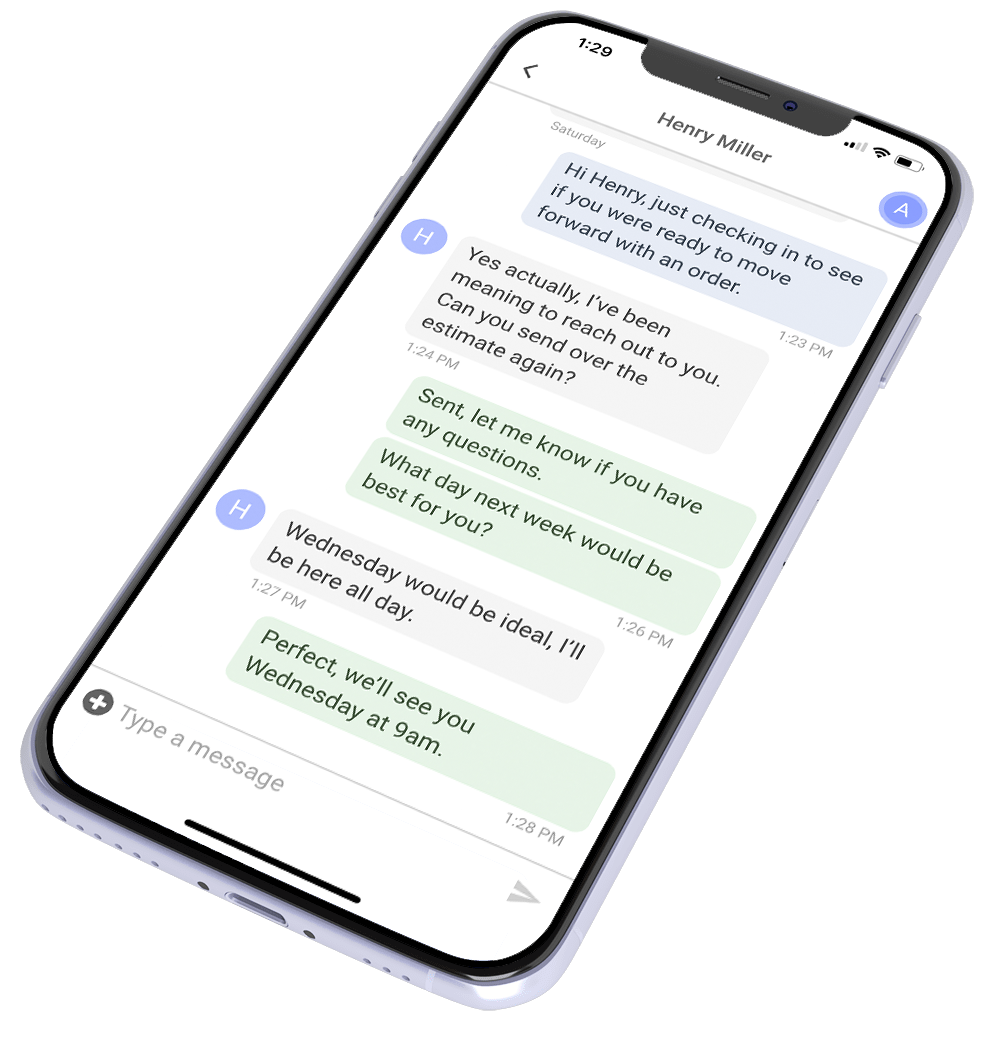
A roofing voice AI agent helps contractors capture those opportunities by answering calls, collecting information, scheduling appointments, and maintaining consistent communication when teams are busy. Because a roofing company can lose valuable opportunities simply because nobody answers the phone when a homeowner calls.
However, AI is not about replacing salespeople. Roofing is built on trust, and most homeowners choose contractors who communicate clearly and provide confidence throughout the process.
Let’s explore how to deploy a roofing voice AI agent, where it creates the most value, and how it can strengthen your sales process.
How to Automate Your Roofing Business With AI Agents
What Is a Roofing Voice AI Agent?
There are many ways to use AI in your roofing business; one of them is to implement agentic AI. A roofing voice AI agent is an artificial intelligence system that can handle phone conversations with homeowners. Instead of sending callers through traditional phone menus, these systems can understand questions, collect information, and guide conversations toward the next step.
For roofing companies, the purpose is not to have AI close a $15,000 roof replacement over the phone. Roofing decisions require trust, education, and a clear understanding of the homeowner’s situation.
The role of AI is to make sure the opportunity is captured and moved forward. The same way we have drone hail damage software that helps inspect roofs without requiring someone to climb onto the roof, we have bots that can communicate with your clients on a preliminary level to help qualify and route leads for your already-overwhelmed sales staff.
What Can a Roofing Voice AI Agent Actually Do?
AI tools can support tasks ranging from estimating roof age with aerial imagery to handling customer calls and lead qualification. A voice AI agent can handle several communication tasks that normally require time from your office team. It can help your business:
- Answer inbound calls when employees are unavailable.
- Collect homeowner names, addresses, and project details.
- Ask basic questions about roof damage or replacement needs.
- Schedule inspections.
- Provide updates and reminders.
- Route important conversations to the right team member.
The biggest value comes from consistency. A homeowner calling after a storm should not have a completely different experience depending on whether your office manager is available or your sales team is already handling other jobs. A reliable communication process helps create trust before your salesperson ever arrives at the property.
Why Roofing Companies Are Exploring Voice AI
Roofing has a unique sales cycle compared to many other industries. Most homeowners replace their roofs only a few times in their lifetime, which means every opportunity matters. You do not have a recurring customer base that automatically comes back every few years. That makes the first interaction extremely important.
Missed Calls Create Lost Roofing Opportunities
When a homeowner calls a roofing company, they are usually looking for help quickly. They may have noticed a leak, experienced storm damage, or started researching replacement options after seeing damage in their neighborhood. If the call goes unanswered, many homeowners will move on to the next contractor.
The problem is not always a lack of leads. Many roofing companies already have enough demand coming in. The challenge is managing communication when the business becomes busy. A roofing voice AI agent helps by making sure potential customers receive a response even when your team is on another inspection, handling production issues, or dealing with a busy storm season.
Faster Communication Builds More Trust
Communication is one of the strongest signals homeowners use when deciding which contractor to hire. A homeowner does not know your company’s history when they first call. They do not know how experienced your crews are or how many roofs you have installed.
They judge what they can see: how quickly you respond, how clearly you explain things, and whether you seem organized.
This is why ProLine focuses on a communication-first CRM approach. The logic is simple: Communication creates relationships. Relationships create revenue. AI can support that process by helping your team maintain consistent communication from the first phone call onward.
Identify Where AI Fits Into Your Roofing Process
Before deploying a roofing voice AI agent, you need to understand what problem you are trying to solve. Many contractors make the mistake of adding technology before fixing their process. They assume a new tool will automatically create better results, but automation only works when the underlying workflow is clear.
Start by Finding Your Current Communication Gaps
Look at your existing process and ask:
- How many calls does your company miss each week?
- How quickly do new leads receive a response?
- Are homeowner conversations being tracked?
- Does every opportunity have a clear next action?
- Are salespeople following up consistently?
For example, a roofing company may discover that its biggest problem is not lead generation. The company may already be receiving enough inquiries, but opportunities disappear because nobody follows up after the initial conversation.
In that situation, AI can help create a stronger system. The goal is not to automate every interaction. The goal is to remove the communication gaps that prevent good opportunities from becoming jobs.
Connect Your Voice AI Agent With Your CRM
A voice AI agent becomes much more valuable when it connects with the rest of your sales process. A phone call alone does not create revenue. The information collected during that conversation needs to reach the people responsible for moving the opportunity forward.
Keep Homeowner Information in One Place
Imagine a homeowner calls after a storm. The AI agent collects their address, describes the issue, and schedules an inspection. If that information stays inside a separate phone platform, your team still has to manually transfer everything. That creates delays and increases the chance that details get lost.
A connected CRM keeps the entire customer journey visible. Your team can see:
- What the homeowner called about.
- When the conversation happened.
- What information was collected.
- What action needs to happen next.
This is where CRM becomes more than contact management. CRM stands for Customer Relationship Management. And of those three words, relationship is the valuable one. The right system helps your team protect that relationship throughout the entire sales process. ProLine helps roofing contractors manage communication, follow-up, and sales activity in one place so opportunities keep moving instead of getting buried.

Use AI to Support Your Sales Team, Not Replace Them
Many contractors worry that using AI will make the customer experience feel less human. That concern is valid because roofing is personal; homeowners want someone who understands their situation and can explain what happens next.
Let AI Handle Repetitive Tasks
The best AI systems handle the communication tasks that slow teams down without removing the conversations that require human expertise.
A voice AI agent can answer basic questions, collect information, and schedule appointments. Your sales team can then spend more time inspecting roofs, explaining options, and helping homeowners make informed decisions.
That creates a better experience for everyone. Your team spends less time chasing administrative tasks, and homeowners receive faster responses.
Train Your Roofing Voice AI Agent Around Your Business
A roofing voice AI agent should not operate as a generic answering service. It should understand your company’s process and reflect the way you want homeowners to experience your brand.
Customize the AI Around Your Workflow
Your AI system should know:
- What information to collect from homeowners.
- How inspections are scheduled.
- When calls should be transferred.
- Which questions require a salesperson.
- What happens after an appointment is booked.
Think about AI the same way you would train a new office employee. You would not expect someone to represent your company without learning your process first. The technology matters, but the workflow behind it matters more.
Measure Whether Your AI Investment Is Working
Adding AI is only useful if it improves your business outcomes. A roofing company should track whether the system is helping capture more opportunities, improve response times, and create a better sales process.
Track the Metrics That Affect Revenue
Some of the most important areas to monitor include:
- Number of calls answered.
- Appointments scheduled.
- Lead response time.
- Follow-up completion.
- Conversion rates.
These numbers show whether your communication process is improving.
ProLine’s reporting software helps roofing companies understand pipeline movement, sales activity, and team performance. Instead of making decisions based on assumptions, owners can see where opportunities are moving and where improvements are needed.
How to Manage Incoming Client Calls Without Losing the Human Touch
- Use AI to answer basic questions and collect homeowner information, but let your team handle complex conversations.
- Set clear rules for when calls should be transferred to a human representative.
- Program the AI to use a helpful, conversational tone that matches your brand.
- Give homeowners an easy option to speak with a real person at any point.
- Connect call data with your CRM, so your team has full context before following up.
- Review AI conversations regularly to improve responses and catch missed opportunities.
- Use AI to speed up communication, not replace the trust-building conversations that win roofing jobs.
Ready to Automate Your Roofing Operations?
A roofing voice AI agent is not valuable because it replaces your team. It is valuable because it helps your team communicate better when call volume, staffing, or timing creates challenges. The best roofing companies use technology to improve the homeowner experience. They respond faster, follow up consistently, and create confidence throughout the sales process.
AI can help protect opportunities that would otherwise be lost. But the technology works best when it supports a larger communication strategy built around trust. ProLine helps roofing contractors build that strategy with a communication-first CRM designed to help teams sell more jobs and make it home for dinner.
FAQs
What is a roofing voice AI agent?
A roofing voice AI agent is an artificial intelligence system that can answer phone calls, communicate with homeowners, collect project information, and help schedule next steps. Roofing companies use these systems to improve response times and prevent missed opportunities.
Can a roofing voice AI agent replace roofing salespeople?
No. A voice AI agent is designed to support roofing sales teams, not replace them. AI can handle repetitive communication tasks while salespeople focus on inspections, education, and building homeowner trust.
How does a roofing voice AI agent help contractors get more jobs?
A voice AI agent helps contractors capture more opportunities by answering calls quickly, collecting lead information, and moving homeowners into the sales process. It reduces the chance that potential customers choose another contractor because they never received a response.
What should roofing companies look for in an AI voice solution?
Roofing companies should look for a solution that fits their workflow, connects with existing systems, captures useful customer information, and supports consistent follow-up. The technology should improve communication instead of creating another disconnected platform.