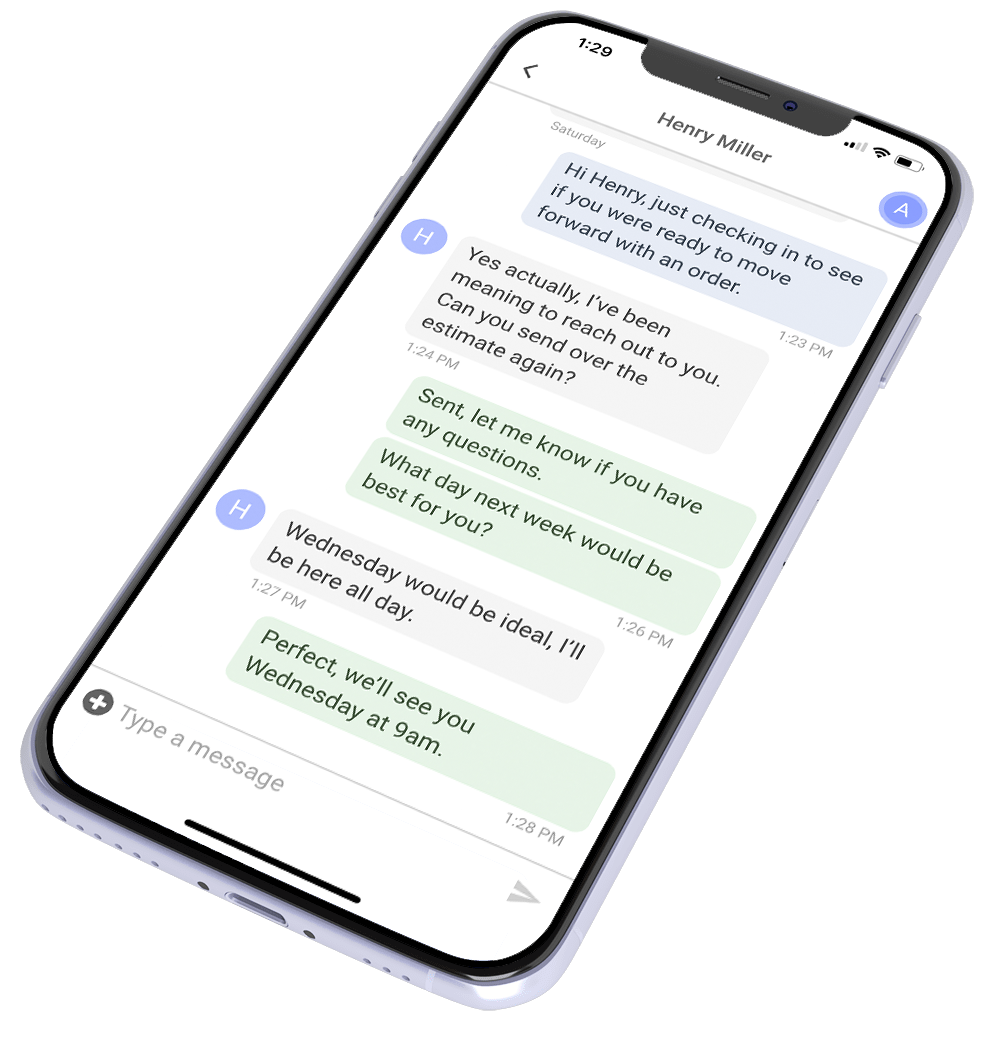
The roofing AI conversation is growing, with many tools promising to automate operations and solve contractor challenges. But AI is not replacing the parts of roofing that require experience, judgment, and trust. It cannot replace an experienced roofer’s judgment during an inspection, educate homeowners, or build relationships. Its real value comes from improving the front office by automating tasks like call handling, scheduling, follow-ups, and customer organization.
Roofing remains a relationship business, and the contractors who communicate clearly create more confidence with homeowners. The future of roofing AI is not replacing relationships. It is helping contractors build more of them.

Why Roofing Companies Lose Jobs
A roofing company usually does not lose a job because someone forgot how to install shingles or measure a roof. It loses opportunities because a lead sits unanswered, a homeowner does not receive a follow-up, a sales rep forgets an important detail, or valuable customer information is trapped inside text messages, notebooks, and personal phones.
Those small breakdowns create expensive problems.
Roofing is a high-ticket, one-time transaction business. A single missed opportunity can mean losing thousands of dollars in revenue because most homeowners are not buying another roof from you next month. Every interaction matters. Every follow-up matters. Every conversation contributes to whether the homeowner trusts your company enough to move forward.
AI helps solve these operational gaps by creating consistency. Instead of relying on memory, AI can help your team capture information, organize communication, and make sure important actions happen at the right time. The goal is simple: fewer administrative mistakes and more time spent serving homeowners.
Front-Office Tasks Are One of AI’s Strongest Use Cases
Your front office handles hundreds of small actions every week. These tasks may seem minor individually, but together they consume hours that could be spent improving sales, helping customers, or managing projects. Common examples include:
- Responding to new leads after they submit a form
- Answering basic homeowner questions
- Scheduling inspections and appointments
- Updating customer records
- Sending appointment reminders
- Following up after estimates
- Organizing call notes and conversations
- Tracking where opportunities are in the sales process
These tasks are necessary, but they do not always require someone to complete every step manually. For example, a homeowner who requests an inspection does not necessarily need a salesperson to immediately call them before any information is collected. AI can help gather basic details, confirm contact information, and organize the opportunity so the salesperson starts the conversation with context.
The same applies to follow-up. A salesperson may have dozens of active opportunities. Without a system, some homeowners will naturally receive more attention than others. Not because the salesperson does not care, but because people are limited by time.
How to Automate Your Roofing Business With AI Agents
What Roofing AI Cannot Replace
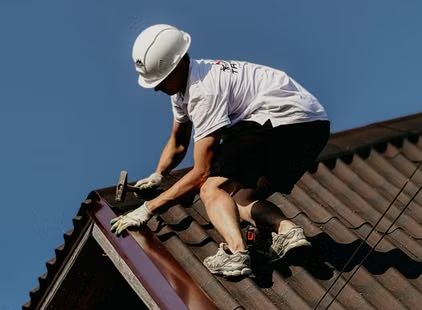
AI can organize information, automate repetitive tasks, and improve visibility. But it cannot replace roofing expertise. There are parts of the business where human judgment is the actual product. Homeowners are not only paying for materials and labor. They are paying for confidence that they are making the right decision.
That confidence comes from knowledgeable professionals who understand their situation and can explain the best path forward. Experts believe that AI hollows out jobs, reshapes them slowly, creates completely new roles, or does all three things simultaneously. Currently, AI isn’t capable of replacing certain functions better performed by real people. AI cannot fully replace the human judgment involved in these tasks.
Roof Inspections Still Require Experience
A homeowner does not simply need someone to identify that a roof has damage. They need someone who can explain what that damage means and what options are available. A trained roofing professional understands the context behind what they see:
- Is the damage something that requires immediate attention?
- Is a repair realistic, or does replacement make more sense?
- How will the homeowner’s budget and goals affect the recommendation?
- What risks should the homeowner understand before making a decision?
Those conversations create perceived value. A homeowner is not paying thousands of dollars because a contractor owns better software or uses advanced technology. They are paying because they trust that contractor to provide honest guidance and deliver the right solution.
AI can help a contractor prepare for that conversation by organizing information and making customer history easier to access. But the conversation itself still depends on expertise, empathy, and communication.
Sales Conversations Still Depend on Trust
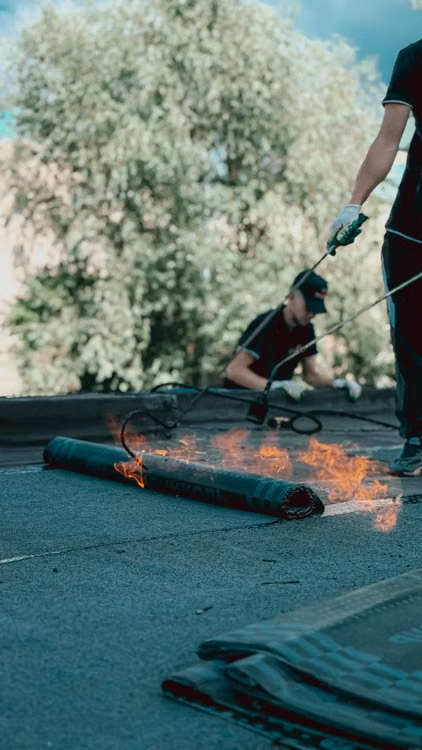
The best roofing salespeople are not simply presenting prices. They are helping homeowners make a decision that can feel overwhelming. A roof replacement is not an everyday purchase. Most homeowners do not know how roofing systems work, what materials they need, or whether a contractor’s recommendation is actually in their best interest.
Strong salespeople create clarity. They answer questions. They explain trade-offs. They educate homeowners about their options. They reduce uncertainty during a stressful decision. AI can help sales teams become more effective by providing better information, organizing previous interactions, and creating reminders for follow-up. But the relationship itself still comes from the salesperson.
The Biggest Problem With Most Roofing AI Solutions
Many roofing companies approach AI backward. They start by asking: “How can we automate everything?” The better question is: “Where are we wasting time that prevents us from serving homeowners better?” Automation works when it supports a strong process. It fails when companies use it to cover broken workflows.
AI Cannot Fix Poor Communication Systems
For example, imagine a company with these problems:
- Sales reps do not consistently update lead statuses.
- Homeowners receive different information from different employees.
- Follow-ups depend on memory.
- Managers cannot see where opportunities are getting stuck.
Adding AI will not automatically solve those problems. The company still lacks a clear process. AI can make a good system more efficient. It cannot replace the need for a good system. That is why successful roofing automation starts with understanding your customer journey first.
Moving Your Front Office to Digital Autopilot
The biggest opportunity with roofing AI is creating a smoother front-office operation. Your field teams are already focused on physical work. Your office team is often managing communication, scheduling, and organization. That is where automation can create immediate impact.
AI-Powered Lead Response
Speed matters in roofing sales. A homeowner dealing with a damaged roof is often contacting multiple contractors. The first company that responds professionally has an opportunity to build trust before competitors even enter the conversation. AI can help:
- Respond immediately to new inquiries
- Collect homeowner details
- Schedule inspections
- Notify sales representatives
- Create follow-up tasks
The goal is not to replace the salesperson. The goal is to make sure the salesperson gets the opportunity.
AI-Powered Call Management
Phone calls are still one of the most valuable parts of roofing sales. A missed call can become a lost job. AI voice tools can help answer calls when your team is unavailable, collect important information, and route opportunities to the right person. A good AI system should know its limits. Complex questions, frustrated homeowners, and detailed project discussions should move to a human team member.
The homeowner should feel supported, not transferred through a machine.
AI-Powered Follow-Up Systems
Follow-up is where many roofing companies lose money. A homeowner may like your estimate but need time to decide. They may have questions they have not asked yet. They may simply be busy. Without a system, those opportunities disappear.
AI can help create consistent follow-up by reminding your team, organizing conversations, and keeping opportunities active. The difference between winning and losing a job is often not the first conversation. It is what happens afterward.
How AI and CRM Systems Work Together
AI works best when it is connected to the system that manages your customer relationships. Without a CRM, AI-generated information can end up scattered across different platforms. Your team may have call summaries in one place, customer notes somewhere else, and follow-up reminders in another system.
That creates more complexity. A communication-first CRM brings those interactions together. ProLine helps roofing companies manage homeowner relationships by keeping communication, sales activity, and job information connected. When your team knows what happened, what was discussed, and what happens next, homeowners receive a better experience.
That experience matters because roofing is a one-time transaction business. Most homeowners are not buying multiple roofs from you over the next year. Each job depends on creating enough trust and value during one important decision. Better communication helps contractors protect that opportunity.
The Future of Roofing AI: More Human, Not Less
The contractors who benefit most from AI will not be the ones who automate every possible task. They will be the ones who understand where technology helps and where people matter most. AI should handle repetitive work. People should handle relationships. That means:
- AI organizes customer information.
- Salespeople build homeowner trust.
- AI creates reminders.
- Teams have meaningful conversations.
- AI improves visibility.
- Leaders make better decisions.
The goal is not to make roofing companies feel automated. The goal is to make them more responsive, more organized, and easier for homeowners to trust. That is what creates long-term growth.
Understand the True Potential of AI Tools
The truth about roofing AI is that it is not a magic solution that fixes every business problem. It will not replace skilled roofers, experienced salespeople, or the trust-building conversations that win jobs. But when used correctly, AI can remove administrative friction that slows your company down. It can help you respond faster, communicate better, and create a more consistent homeowner experience.
The future of roofing is not human versus AI. It is contractors using AI to spend more time doing the human work that matters. ProLine helps roofing companies build those systems with a communication-first CRM designed to help teams sell more jobs and make it home for dinner.
FAQs
What is roofing AI?
Roofing AI refers to artificial intelligence tools designed to help roofing companies automate administrative tasks, improve communication, organize customer information, and analyze business operations. It is primarily used to support office workflows rather than replace roofing professionals.
Can AI replace roofing contractors?
No. AI cannot replace the expertise required for roof inspections, project decisions, homeowner education, or relationship-based sales conversations. The most effective AI tools support contractors by reducing repetitive administrative work.
What are the best uses of AI in a roofing company?
The most practical uses include lead response, call management, scheduling, customer communication, follow-up reminders, CRM organization, and sales reporting. These areas help contractors save time while improving the homeowner experience.