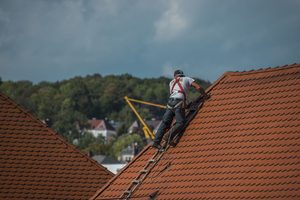
Wondering if owning a roofing company is truly profitable? Discover the key strategies that can help turn your roofing business into a revenue powerhouse.
Many dream of owning a roofing company. Why? Because roofing is constant work. Homeowners always need new roofs, repairs, and maintenance, especially after storms. It’s an essential service. But the real question is: Is owning a roofing company profitable? Yes. With efficient cost control and pricing, roofing companies often see 5–10% net profit margins, with top performers exceeding 15%.
Most people think, “If I get enough work, I’ll be swimming in cash.” But it’s not that simple. Many roofers struggle to manage the business side. Jobs pile up, costs rise, and profits shrink. Payroll, materials, insurance, they all bite into your bottom line, even before marketing and software enter the picture.
But don’t worry yet. There are solutions. Profitability in roofing depends on two things: controlling costs and increasing revenue. Whether you’re just starting or already overwhelmed, one thing is clear: your business needs systems. Solid strategies keep roofing companies thriving, and the right approach can change everything. That’s where decisions like franchising might help.
Want to know what separates the successful from the struggling? Keep reading. This guide will answer your biggest questions and some you didn’t even know to ask. Profitability comes from smart choices, and you’re about to make them.

Typical Gross and Net Profit Margins for Roofing Companies
Before asking whether owning a roofing company is profitable, you need to understand two numbers: gross profit margin and net profit margin. They tell completely different stories about a roofing business.
Gross profit margin measures what’s left after subtracting the direct cost of doing a job, like materials and labor. If a roof replacement brings in $15,000 and the materials and crew cost $10,000, the gross profit is $5,000, or about 33%. That number shows whether jobs are priced correctly.
Net profit margin accounts for everything else, like insurance, marketing, office costs, software, truck payments, and taxes. It’s what actually ends up in the owner’s pocket or gets reinvested. A roofing company can show strong gross margins and still lose money if overhead is out of control.
Here’s where roofing companies typically land, according to multiple industry sources including Roofing Contractor magazine, the official publication for the International Roofing Expo:
Typical gross profit margin for roofing companies: 20% to 40%. Service-focused and residential replacement contractors tend to land on the higher end. Commercial new construction and general contractor work often falls closer to 20%.
Average net profit margin for roofing companies: 6% to 12%. After overhead, taxes, insurance, marketing, and operating expenses are deducted, most roofing businesses keep somewhere in that range. Well-run companies with tight cost controls push toward 12% or higher. Those pricing from the gut or eating costs regularly fall below 6%.
These numbers vary based on several factors. Location matters. Roofing companies in regions with a higher cost of living face thinner margins. Job type matters. Insurance restoration work with proper supplementing can push gross margins above 40%, while work under general contractors may drop as low as 20%. Company size matters too. Smaller operations often carry less overhead but bring in less total revenue, while larger companies benefit from bulk purchasing but carry heavier fixed costs.
The important thing isn’t hitting a specific number. It’s knowing your numbers. A roofing company that tracks gross and net profit margins job by job can adjust pricing, cut waste, and make decisions based on real data. A company that doesn’t is guessing — and guessing is how profitable roofing businesses quietly go broke.
Gross Profit Margins for Re-Roof Jobs Specifically
Re-roofing is the bread and butter for most residential roofing companies. Gross margins on re-roof jobs typically fall between 30% and 45%, depending on material costs, crew efficiency, and local competition.
The biggest variable is materials. Shingle prices have climbed in recent years due to supply chain disruptions and tariff uncertainty. Contractors who lock in pricing with suppliers and include escalation clauses in their contracts protect their margins. Those who quote a job in March and don’t install until June can watch their margin shrink if material costs move.
Labor efficiency is the other lever. A crew that can knock out a standard residential tear-off and re-roof in a day generates more gross profit than one that takes two. Scheduling, crew training, and having the right tools on site matter more than most owners realize.
What Percentage of Revenue Should Go to Payroll?
There’s no universal payroll benchmark for roofing companies because labor models vary so much. A company running W-2 crews carries payroll taxes, workers’ comp, and benefits on top of wages. A company using 1099 subcontractors has a different cost structure entirely.
That said, industry data suggests that the total cost of services — which includes labor, materials, and direct job costs — typically runs 50% to 55% of revenue for roofing contractors. Within that, labor (whether W-2 payroll or subcontractor payments) usually accounts for 20% to 30% of total revenue, with materials making up most of the remainder.
For a roofing company doing $2 million in annual revenue, that means total payroll (including the owner’s salary) might fall between $400,000 and $600,000. That includes field labor, office staff, and owner compensation.
Setting an owner salary and distribution policy requires balancing personal income with business reinvestment. Taking too much starves the company of growth capital. Taking too little while reinvesting everything sounds noble but leads to burnout. Most roofing business advisors recommend setting a reasonable salary that reflects what you’d have to pay someone to do your job, then taking additional profit distributions quarterly based on how the business performs.
How Much Does It Cost to Start a Roofing Company?
The cost to start a roofing company ranges from as little as $10,000 for a lean subcontracting operation to over $150,000 for a fully equipped company with crews, vehicles, and a marketing budget. Where you land depends on how you plan to operate from day one.
At the lowest end, a roofer who already has industry experience, a truck, and basic tools can get licensed, insured, and start subcontracting for around $10,000 to $25,000. That covers business registration, licensing fees, general liability insurance, workers’ comp, a surety bond, and minimal marketing to start generating leads.
A mid-range startup with one or two crews, a dedicated work vehicle, full tool and safety equipment, proper insurance, and a real marketing push typically requires $40,000 to $100,000. The biggest line items are usually the vehicle ($15,000–$30,000 used), equipment and tools ($5,000–$10,000), insurance ($2,000–$5,000+ annually), licensing and bonding ($1,000–$5,000 depending on the state), and initial marketing and website ($5,000–$15,000 for the first year).
Larger-scale launches with a physical office, multiple branded trucks, a sales team, and an aggressive marketing campaign can exceed $150,000 easily. Franchise models, which come with built-in brand recognition, systems, and training, typically require $150,000 to $315,000+ in total investment.
One cost that catches new roofing business owners off guard is working capital — the cash needed to cover payroll, materials, and operating expenses before invoices are collected. Roofing jobs often require significant upfront material purchases, and payment collection (especially on insurance restoration work) can take weeks or months. Having 3–6 months of operating expenses in reserve is critical for surviving the early months.
The roofers who fail in the first few years rarely fail because they can’t do the work. They fail because they underestimate the business costs and run out of cash before the revenue catches up.
Revenue Potential for Roofing Companies
When it comes to revenue, a small to mid-sized roofing company can expect to make anywhere from $300,000 to $2 million annually. Your total depends on how much work you bring in and how well you price jobs. Nail your pricing, and you’ll hit solid numbers. Undercut yourself, and cashflow issues will follow.
Job volume is important, but not all jobs pay equally. Residential repairs might keep you busy, but commercial projects bring in larger payouts at once. Don’t forget about upselling! Offering extras like gutter cleaning or roof maintenance can increase revenue without much extra effort.
So, how do you increase revenue quickly? Tapping into an established name or system can fast-track growth. Well-known companies often land bigger projects because of brand trust. Homeowners and property managers prefer hiring a familiar name over taking a chance on someone new. Franchises, in particular, offer built-in marketing support and sales tools, which means less chasing leads and more time closing deals. Independent businesses often struggle with visibility, and that’s where the real difference lies: hustling for every job versus having steady leads flow in.
By the way, every new roofing business needs a customer relationship management system (or CRM). Without one, profit vanishes because customer relationships fail. That’s what ProLine is all about. It’s simple to use, but built to grow. Book a demo and see how our communication-first CRM streamlines follow-up, quoting, invoicing, and more.
Managing Seasonal Fluctuations in Roofing
Roofing is tied to the weather. In spring and summer, jobs pour in as homeowners prepare for storms. But when winter or rainy months hit, work slows, and crews sit idle. Roofers everywhere feel the pinch when jobs become scarce, but it’s part of the business. The key is preparing for these slow periods.
Planning ahead can help you survive the off months. One effective way is securing steady income with maintenance contracts. Offering regular checkups or small repairs keeps cash flowing year-round. Another option is branching into related services like gutter cleaning, siding work, or insulation installs, which can keep your crew busy when roof jobs are slow.
Scaling a Roofing Business for Greater Profits
Scaling a roofing business doesn’t happen by accident. It requires a plan. Hiring more crews is a key step. With more hands, you can take on additional jobs without overworking your current team. Another way to scale is by landing bigger projects, such as commercial jobs or high-end residential work. The larger the project, the bigger the payout.
Expanding into neighboring areas can also boost growth. If you’re delivering great work in one location, there’s no reason you can’t replicate that success in the next town over. Growth takes effort, but it pays off when done right.
For faster growth, the right systems make all the difference. Businesses with solid plans, effective recruitment, and strong marketing see profits rise more quickly. Efficiency is crucial. Getting bogged down in small tasks can stall progress. Good systems allow you to focus on what matters: growing the business.
Credibility is another essential factor. Once you build trust, bigger opportunities open up. This is especially true for large commercial projects. Big clients need to know you can deliver, and a strong reputation makes that easier. Trust is valuable in roofing, and it leads to higher-paying jobs.
Read: How to Run the Office of a Roofing Company in 2025
Competition and Market Demand in Roofing
Roofing is a competitive business. In crowded markets, breaking through can be tough, and local demand is key. Some areas stay busy due to new construction or storm damage, while others may have more roofers than roofs to fix.
To stand out, you need to offer something different. Premium services grab attention, whether it’s using high-end materials or offering specialized techniques. Quality and customer service are what set you apart. Quick response times, clear communication, and doing what you promise. People remember when they’re treated well. You can also focus on mastering a specific skill, like metal roofing or handling tricky commercial projects. Pick your niche and own it.
Marketing is also essential for beating the competition. The companies that get noticed are the ones people see first, and building an online presence, running ads, and boosting visibility takes time and money. Bigger players have the advantage here. They use brand recognition and national campaigns to stay top-of-mind for customers.
But that doesn’t mean you can’t compete. You just need to be smart about it. Hustle pays off, but using the right tools and resources will help you get ahead.
Risk Factors to Consider
Every roofing business faces risk. Material prices fluctuate quickly. One day shingles are affordable, the next, they’re sky-high. Labor shortages can hit, leaving you scrambling to fill jobs. And weather is always a factor. Bad storms can shut down work, turning tight schedules into chaos.
Beyond these external risks, there’s the personal side of running a roofing company. It’s not just about fixing roofs; it’s about managing payroll, taxes, marketing, and more. Many roofers think they can wing it, but that’s a costly mistake. The operational demands can overwhelm you if you’re not prepared.
Reducing risks starts with smart planning. Successful businesses rely on systems to manage these challenges. Training and risk management strategies help you stay ahead when things go wrong. Franchises, for instance, offer built-in support, sharing what works and what doesn’t. Their experience with material price swings, labor gaps, and weather delays helps you avoid costly errors. When others in the network have been through it, you don’t have to learn the hard way.
Maximizing Profits Through Operational Efficiency
Running a roofing business efficiently means cutting waste and keeping jobs on track. If your crew is standing around waiting for materials or handling last-minute changes, you’re losing money. Start by using project management software to track every job, order, and bill. This helps you spot where time slips away and fix it fast.
Scheduling is also key. If you can move crews from job to job without downtime, profits will rise. Even saving a few hours here and there adds up. Waste, like leftover materials or unused shingles, is another profit killer. If you buy materials but don’t use them, you’re bleeding money. Measure carefully, order only what you need, and cut inefficiencies to protect your bottom line.
Many companies waste years trying to figure this out from scratch, but established systems already exist that streamline these operations. Businesses that use inventory systems, job tracking tools, and efficient communication setups run smoother and see profits rise as mistakes are reduced. Whether it’s managing materials or communicating with customers, successful businesses keep things tight. Get a system in place that lets you stay in control instead of letting chaos take over the job site.
Personal Investment and Time Commitment
Running a roofing company isn’t just about getting jobs done. It’s a full-time commitment that pulls you in every direction. You manage crews, handle customer calls, juggle schedules, and still keep the business side running. Payroll, taxes, and marketing all land on your plate. In the early days, expect long hours, lost weekends, and no vacations.
The physical demands wear you down. You’re out on job sites in all weather, climbing roofs, overseeing crews, and ensuring every detail is right. The mental load is even heavier. Every decision, delay, and mistake rests on your shoulders. Running a roofing business isn’t just a job; it’s a lifestyle, and it can drain you if you’re not careful.
Franchises can help lighten the load. They offer built-in support systems that handle HR, marketing, and accounting, freeing up your time to focus on growing the business. Franchises also streamline daily operations with proven systems, reducing stress and mistakes. Instead of figuring everything out from scratch, you follow a process that keeps you from burning out. With less paperwork and fewer headaches, you can get back to what you do best: running the business without it running you into the ground.
How Much Do Roofing Company Owners Make?
According to Business Plan Templates, roofing business owners earn anywhere from $70,000 to $150,000.
However, some pull in less, especially early on when they’re running solo. Others climb well past $200,000 or even $300,000 with the right systems in place. The biggest factor isn’t how many roofs you bang out. It’s how you build the business.
Owners who treat the company like a job often cap out at a modest salary. But those who set up multiple crews, delegate production, control costs, and position themselves as operators, not technicians, unlock serious income potential.
Structure matters too. Run your company as a sole prop, and you’ll likely pull money through an owner’s draw. Elect S-Corp status, and you can take a salary plus profit distributions, which lowers your tax burden and creates steady income. Add in commercial work, storm restoration, or high-end installs, and you start stacking margin on volume. That’s how owners break free from the $100K hamster wheel and start printing real profit.
FAQ: Is Owning a Roofing Company Profitable?
Is owning a roofing company profitable?
Yes. Owning a roofing company can be profitable. Most roofing companies land between 5% and 10% net profit after all expenses. Owners who control overhead, price work correctly, and follow up on every lead can push profits higher.
What is the average profit margin for a roofing company?
The average roofing company runs at 5%–10% net profit. Gross margins often sit between 30% and 40%, but overhead, labor, marketing, and admin costs eat the rest. Profit comes from control, not volume.
How much money does the average roofing company owner make?
Many roofing company owners earn between $80,000 and $200,000 per year. Income depends on job volume, pricing discipline, market conditions, and how involved the owner stays in daily operations.
Why do so many roofing companies struggle to make a profit?
Most roofing companies struggle because they underprice jobs, overspend on leads, lose track of follow-ups, and fail to measure costs. Revenue looks strong. Profit disappears after payroll, marketing, rework, and slow collections.
Is roofing more profitable than other construction businesses?
Roofing can outperform many trades because of recurring storm demand and high-ticket jobs. But profit depends on execution. Roofing rewards owners who manage crews, pricing, and communication with discipline.
What costs hurt roofing profitability the most?
Labor, marketing, rework, insurance, and poor follow-up hurt profits the most. Missed calls and slow responses alone can kill margins by letting hot leads go cold.
Can small roofing companies be profitable?
Yes. Small roofing companies often outperform larger ones on profit margin. Lower overhead and direct owner involvement give small operators tighter control over pricing, costs, and customer experience.
How long does it take for a roofing business to become profitable?
Many roofing businesses reach profitability within 12 to 24 months. The timeline shortens when owners track numbers early, price jobs correctly, and build repeatable sales and follow-up systems.
Is roofing still profitable in a slow economy?
Roofing stays profitable because roofs fail regardless of the economy. Storms, leaks, and insurance claims do not pause. Companies with strong sales processes and cash control survive downturns better than most trades.
How can a roofing company increase profitability?
Roofing companies increase profit by tightening estimates, improving follow-up, reducing rework, and tracking every lead. Faster responses and better communication often raise close rates without raising ad spend.
Conclusion
Running a roofing business can be profitable, but it takes more than just good work. The right systems, tools, and strategies are essential for managing costs, maximizing revenue, and staying efficient. Whether it’s handling the physical demands, keeping the business organized, or competing in a crowded market, the challenges add up quickly. Inefficiency, poor planning, and burnout can easily eat into your profits.
The good news? You don’t have to do it alone. Franchises offer proven systems, marketing support, and resources to help you focus on what matters: building a thriving business. Don’t let the demands of roofing ownership hold you back. Now is the time to streamline your operations and set yourself up for success.
Get ahead of the competition by taking steps to improve efficiency and reduce the daily grind. Explore the right solutions to turn your roofing company into a profit-generating machine. It’s all within your reach. Go get it!
Want to streamline your roofing business and boost profits? Check out ProLine’s overview video to see how the right systems can help you manage costs, stay efficient, and grow faster.
Ready to take your roofing business to the next level? Book a demo of ProLine and learn how we can help you sell more jobs, improve efficiency, and get ahead of the competition.
Looking for the best CRM to maximize your roofing business? Check out our guide to the 8 Best Roofing CRMs for Residential Roofers and find the right fit for your company.