
Most roofing supplements don’t fail because the damage isn’t real. Their failure happens due to the fact that the documentation doesn’t prove it clearly enough… or they don’t offer the right roof insurance supplement services!
That’s the part most contractors don’t see coming. You can have a legitimate claim, visible damage, and a perfectly reasonable estimate… and still get pushback from the carrier. Not because you’re wrong, but because your file leaves too much room for interpretation.
And in insurance, interpretation slows everything down. According to industry data, incomplete or unclear documentation is one of the biggest reasons supplements get delayed or denied, even when the work is justified. That means the money is already there… it just isn’t being captured.
The contractors who consistently add $300 to $400 (or more) per job are not guessing. They are not arguing harder. They are simply documenting better.
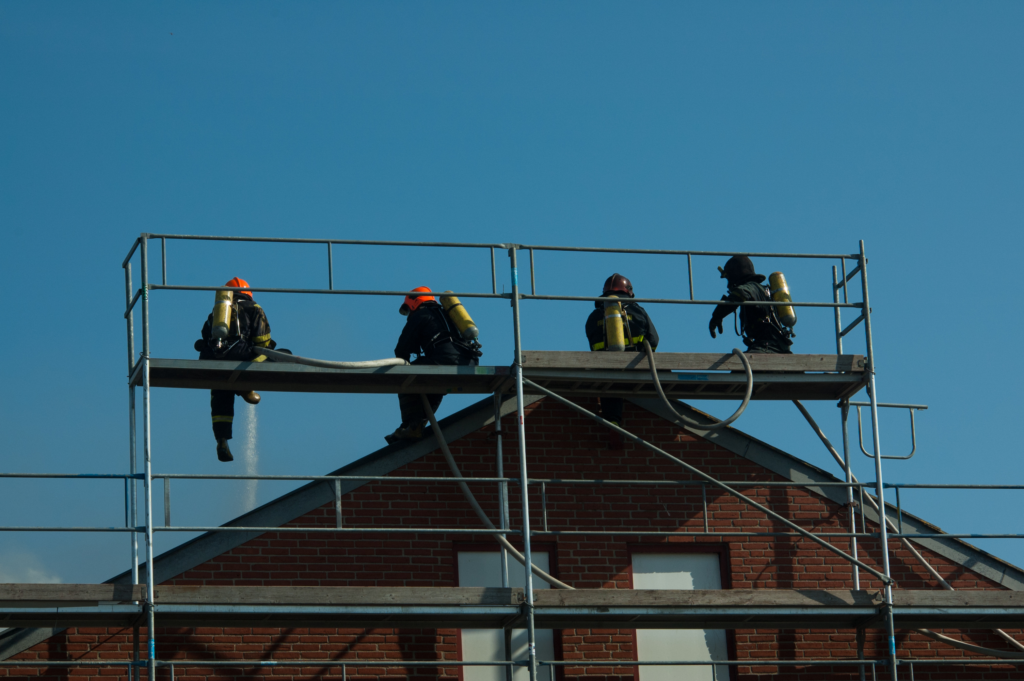
Why Roofing Supplements Are Won (or Lost) in Photos
Let’s simplify the entire supplement process. You are asking an adjuster to approve additional work. That adjuster is not on your roof. They are reviewing your file, often quickly, alongside dozens of other claims. So, what do they rely on? Your photos.
Insurance claims are documentation-driven. Adjusters use visual evidence, timelines, and supporting data to determine whether damage is valid and whether additional scope should be approved. If your photos are:
- Unclear
- Unorganized
- Missing key components
…your supplement becomes harder to approve, even if everything you’re asking for is valid and legitimate.
On the other hand, when your documentation is structured and complete, the claim becomes easy to understand. Easy claims get approved faster. This is where process beats experience.
And this is also where ProLine starts to matter. When every photo, note, and job update is tied to one system, your documentation doesn’t get lost between texts, emails, and camera rolls. It stays organized, accessible, and ready to support your supplement the moment you need it.
The Real Reason Contractors Leave Money on the Table
Most contractors don’t lose money because they price incorrectly. They lose money because they fail to document what they already know is required. Think about common missed items:
- Drip edge
- Starter strip
- Flashing replacement
- Ice and water shield
- Ventilation corrections
These are not “extras.” They are part of doing the job correctly. But here’s the problem. If you don’t prove they’re needed, they often don’t get approved. Research shows that proper supplemental documentation can increase claim payouts significantly, sometimes by 25% to 35%, simply by ensuring all necessary work is accounted for.
That’s capturing scope, not mere upselling. And the difference usually comes down to one thing: whether your photos tell the full story.
The 3-Photo Rule That Changes Everything
Before we get into the full checklist, you need to understand one concept that top contractors follow on every job. For every line item you want approved, you should have three types of photos:
- a wide shot (context)
- a mid-range shot (location clarity)
- a close-up (damage detail)
This structure removes doubt. It shows where the issue is, what it is, and why it matters. Without it, adjusters are left guessing. And when they guess, they usually lean conservative. Contractors who follow this simple rule consistently see faster approvals because their files are easier to review and harder to dispute.
The Roofing Photo Checklist That Adds $400 Per Job
Now, let’s break down the actual checklist. This is the system you want your team following on every inspection, every claim, every time.
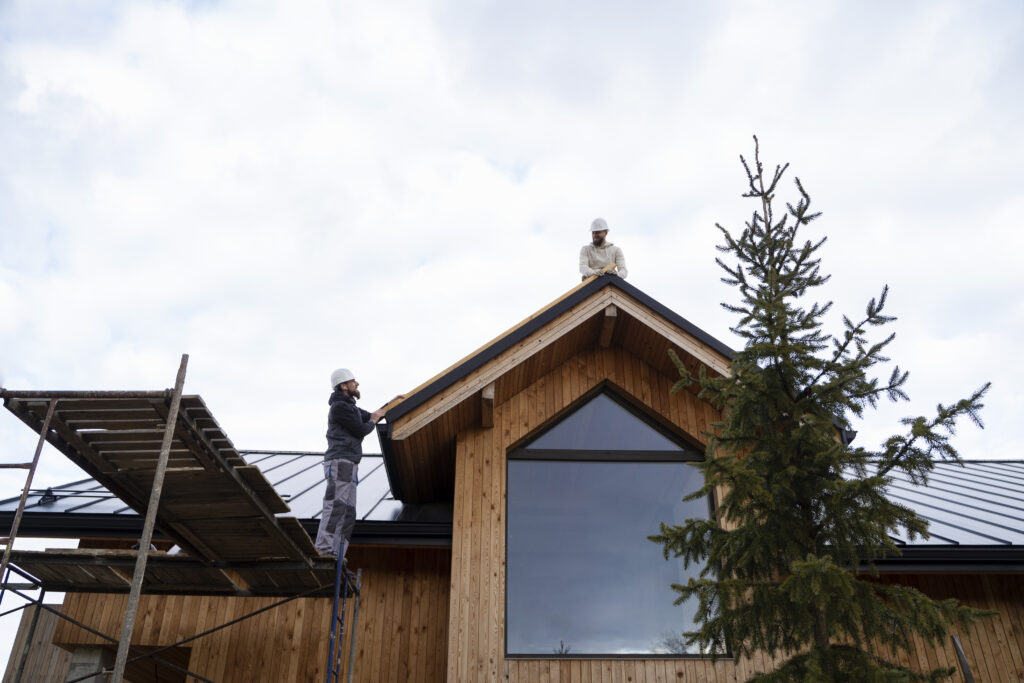
1. Property Overview and Context
Start by setting the stage. Capture full exterior shots of the property from multiple angles using a drone. Include all elevations and, if possible, aerial views. These photos establish scale, layout, and overall condition. Without context, damaged photos feel disconnected. With context, they make sense instantly.
2. Roof Slope-by-Slope Documentation
Do not treat the roof as one surface. Break it down. Each slope should be photographed individually with clear labeling. Show overviews and supporting angles so the adjuster understands exactly where each issue is located. This structure aligns your photos with your estimate, which makes your supplement easier to follow.
3. Close-Up Damage Evidence
This is where your supplement is either supported or weakened. Capture clear, focused images of everything important, such as:
- hail impacts
- wind creases
- missing shingles
- granule loss
Use markers like chalk or reference objects for scale. Make the damage undeniable. If the adjuster cannot clearly see it, it does not exist in the claim. You can either use drones or handheld devices to snap these pics.
4. Flashing and Penetration Details
Flashing is one of the most common missed opportunities in supplements. The things you need to photograph in this scenario include:
- chimney flashing
- step flashing
- pipe boots
- Skylights
- wall transitions
These areas often require replacement, but without proof, they are easy to exclude.
5. Drip Edge, Starter Strip, and Edge Conditions
These items frequently get overlooked, even though they are required in many cases. That is why you need to document:
- presence or absence of drip edge
- starter strip condition
- edge deterioration
These “small” items are often where that extra $300 to $400 comes from.
6. Interior Damage and Leak Evidence
Exterior damage tells part of the story. Interior damage completes it. We suggest that you start capturing these:
- ceiling stains
- attic moisture
- insulation damage
- signs of active leaks
This connects roof damage to real impact inside the home, strengthening your claim.
7. In-Progress and Tear-Off Photos
Do not stop documenting once the job begins. During tear-off, capture:
- decking condition
- hidden damage
- multiple layers
- underlayment issues
These photos are critical because they reveal what could not be seen during the initial inspection.
8. Final Completion Photos
Close the loop. Show completed work, installed materials, and final condition. This creates a full visual story from damage to resolution. Adjusters want to see what was done, not just what was wrong.
Why Organization Matters Just as Much as the Photos
You can take great photos and still struggle with approvals if your files are disorganized. Most delays happen because:
- Photos are not labeled
- Images are sent randomly
- Nothing is tied to specific line items
Adjusters do not have time to sort through chaos. You need a proper system that presents your documentation clearly. We’re talking about project management done right!
That is where a communication-first CRM like ProLine becomes a real operational advantage. Instead of juggling folders, texts, and emails, you keep everything in one place. Photos, notes, job updates, and follow-ups are all connected.
When your documentation is clean, your supplements move faster. When they move faster, your cash flow improves.
When to Bring in Supplement Experts
Some claims are simple. Others require a higher level of expertise. When you are dealing with complex roof systems, large losses, or repeated pushback from carriers, it can make sense to bring in specialists who handle supplements professionally.
Software tools like SuppTrax track and manage claims. Similarly, Contractor Supplement Solutions supports contractors who need help navigating detailed or disputed supplement scenarios.
The goal is not to rely on outside help for every job. It is to recognize when expert support can unlock revenue that would otherwise stay stuck in the claim.
The Mistakes That Quietly Kill Your Supplements
Even experienced contractors fall into these traps:
- Taking too few photos
- Missing key components like flashing or ventilation
- Failing to show context and scale
- Skipping in-progress documentation
- Sending disorganized files
Each of these creates friction. And friction slows approvals. The contractors who consistently win supplements are not perfect. They are consistent. They follow the same process every time, regardless of job size or complexity.

Build a System That Pays You Back on Every Job
If you want to run cleaner jobs, capture more revenue, and avoid the chaos that comes with scattered systems, it may be time to see how a communication-first CRM can support your workflow. When everything is organized, your supplements improve, your jobs run smoother, and you actually make it home for dinner. Try booking a demo with ProLine today.
FAQs
How many photos should I take for a roofing supplement?
Most professional contractors take between 40 and 100 photos per job. The goal is not just quantity, but coverage across all required components and stages of the project.
Do better photos really increase supplement approvals?
Yes, clear and structured documentation reduces uncertainty, which makes adjusters more likely to approve additional line items without delays.
What is the biggest mistake contractors make with supplements?
The most common mistake is incomplete documentation. Missing context, unclear damage, or lack of organization can all lead to reduced or denied supplements.
Should I document the job after work starts?
True, in-progress and tear-off photos often reveal hidden damage that supports additional scope and increases claim value.
Can software improve my supplement process?
Yes, using a CRM like ProLine helps you organize photos, track communication, and ensure every detail is documented properly, which leads to faster approvals and fewer missed opportunities.