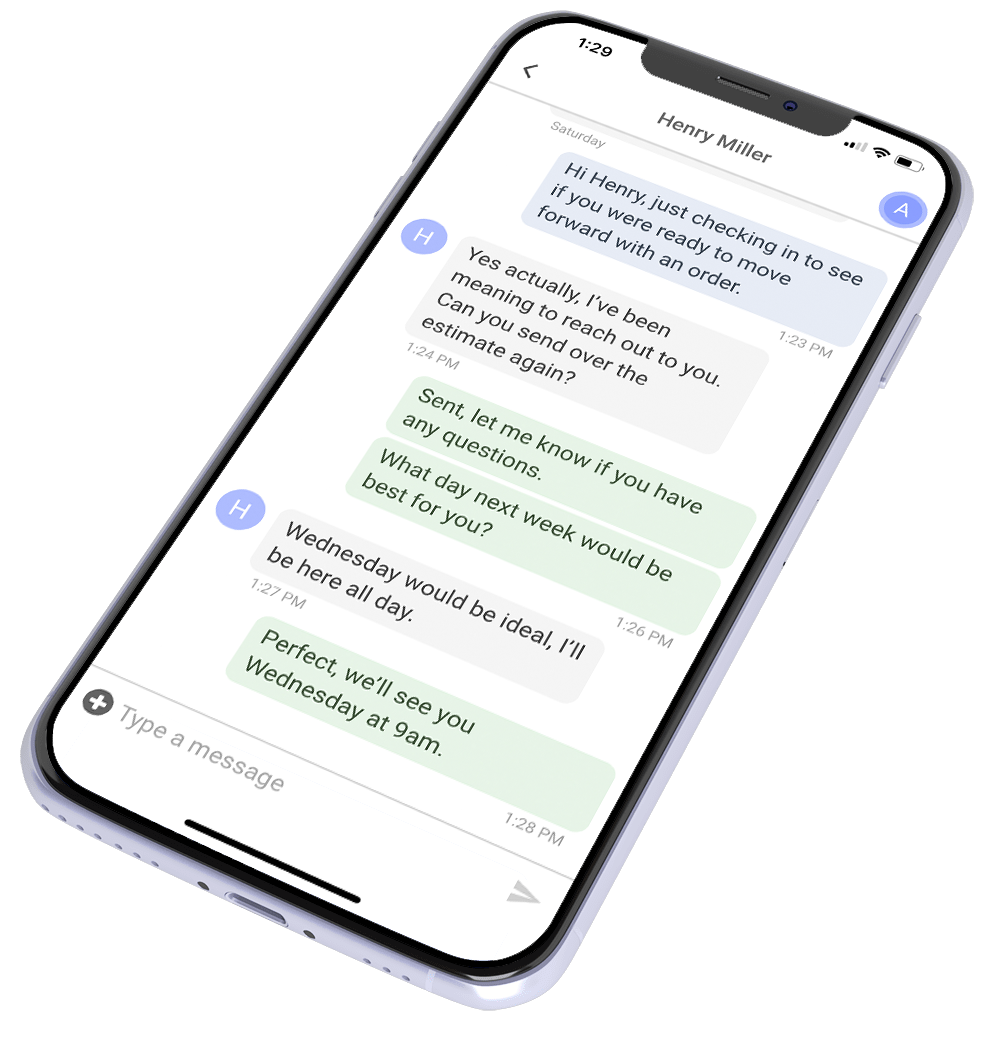
Top roofers use speed-to-lead to win more jobs before the competition even calls back.
Speed-to-lead wins. Every time. A lead is hottest the second they hit submit. Studies show a five-minute response makes a lead 100 times more likely to convert than a 30-minute response. Every extra minute gives another roofer the chance to book the job first. But most roofers still take hours—or worse, days—to follow up. That’s money flying out the window. Fast speed-to-lead response times ensure you connect with leads immediately, maximizing conversion potential.
If leads sit in an inbox, sales are slipping away. If follow-ups take hours, jobs are lost before they even begin. Homeowners don’t wait—they pick the first roofer who looks sharp, professional, and ready to help. And guess what? That’s usually the one who responds first.
In today’s competitive market, speed-to-lead is critical. The faster you respond, the more likely you are to secure the job. Implement strategies that enhance your speed-to-lead approach and watch your conversion rates soar.
The best roofing companies don’t just respond fast—they respond instantly. And they do it without adding work. They automate the first text, email, and even a rep’s call reminder, all within seconds of a lead submission. No waiting, no wondering, just booked jobs.
This article breaks it all down—how to follow up in five seconds or less, why speed wins, and how top roofers do it without lifting a finger. If slow responses are costing sales, there’s a fix. Keep reading, and get ready to close more jobs before your competitors even check their email.

What Is Speed-to-Lead?
Speed-to-lead measures the time from when a homeowner enters your pipeline to when a roofer responds. Shorten that gap, and jobs land faster. Speed-to-lead is essential—stretch it out, and leads slip away. A five-second response turns heads. A five-hour response gets ignored.
When it comes to speed-to-lead, timing is everything. Implementing effective follow-up strategies can significantly shorten your response time and increase your chances of winning the job.
Utilizing technology to manage your speed-to-lead efforts ensures that you never miss an opportunity. A proactive approach makes a significant difference in your success rate.
Homeowners don’t browse for weeks. They search, click, and submit. Their roof needs help, and they don’t plan on waiting. The first roofer to respond shows up in their mind as ready, reliable, and professional—the one who wants the job and can handle it.
Your focus on speed-to-lead can be the deciding factor for homeowners choosing a roofer. Make sure your systems are in place to respond before the competition does.
Where do these leads come from? Everywhere. Website contact forms fill up daily. Google Local Service Ads send steady streams of homeowners looking for quotes. Facebook and Instagram ads catch interest fast. Referral sites like HomeAdvisor and Angi hand out leads to multiple contractors at once. Every second counts.
To maximize your speed-to-lead effectiveness, consider automating your initial responses. An immediate text and email can keep homeowners engaged while you prepare for the follow-up.
Remember, the key to speed-to-lead is not just responding fast but also making sure your message is clear and inviting, setting the tone for the entire interaction.
Direct calls and texts matter even more. A homeowner who picks up the phone and dials wants to talk now. A missed call means they’re already speaking to someone else, and a text left unanswered makes them think no one is paying attention.
Speed-to-lead isn’t just about being first. It’s about earning trust before the competition even says hello. A fast response doesn’t just grab attention—it stops a homeowner’s search in its tracks. That’s how deals close before the next roofer even checks their inbox.
Why Speed-to-Lead Wins Roofing Jobs Instantly
the concept of speed-to-lead is simple: the quicker you respond, the better your chances of securing the job. Homeowners expect quick replies, and those who deliver win.
Picture this: A homeowner fills out a contact form. Their roof has a leak. Rain is coming. Within five seconds, their phone buzzes. A text pops up—“Hey [Name], this is Mike from [Roofing Company]. I saw your request. When’s a good time to inspect your roof?” A few seconds later, an email lands from the same rep.
The homeowner sees a company that moves fast. That company looks sharp. That company gets the job.
Slow Roofers Lose Jobs Before They Even Know It
Most homeowners don’t sit around waiting for a call. If no one responds fast, they keep searching. Competitors who take hours to follow up hand over easy wins.
Every minute that passes, urgency fades. People forget they even asked for a quote. By the time a slow roofer calls, the homeowner has booked the job or lost interest.
Lead Decay: Every Minute Costs Money
Speed turns leads into jobs. A five-minute response makes a lead 100 times more likely to convert than a 30-minute response.
Wait 30 minutes? The odds tank.
Wait an hour? They barely remember you.
Roofers who move fast don’t just win more jobs—they win by mastering speed-to-lead strategies that outpace their competitors.
Incorporate feedback mechanisms that help you adapt and enhance your speed-to-lead strategies continuously.
The Ideal Roofing Response Time (And Why It Matters)
The Gold Standard: Under 5 Seconds
Fast isn’t enough. The best roofers don’t just respond quickly—they respond first. A lead comes in, and within five seconds, the homeowner gets a text, an email, and a rep notification. No delay. No hesitation.
Here’s what that looks like:
- A homeowner submits a form.
- Boom. A text lands—”Hey [Homeowner], this is [Rep Name] with [Roofing Company]. Got your request! When’s a good time for a free inspection?”
- Ding. An email follows. Same rep. Same message. Same goal—get them on the phone.
- Inside the CRM, a rep sees the lead and knows to call.
This speed locks in the conversation before a homeowner even thinks about another roofer.
Slow roofers guess why leads ghost them. Smart roofers never give them the chance. The first message sets the tone for the whole job. The faster it lands, the more trust it builds.
Technology makes this happen. A roofing CRM with built-in automation fires these messages in seconds. No manual work. No missed leads. No wasted dollars on marketing that never converts.
A five-second response doesn’t just start the sales process—it owns it. A homeowner doesn’t shop around when one company stands out. The first roofer to respond isn’t just fast. They’re hired.
Read: 10 Proven Roofing Sales Tips That Boost Profit
The “Still in the Game” Window: 5-10 Minutes
Five minutes pass. The lead still has value. But the game has changed.
A homeowner waiting for a response starts looking elsewhere. They check another website. They submit another form. By the ten-minute mark, they may already be on the phone with another roofer.
A quick response still wins jobs. A rep reaching out in this window can book the inspection before the homeowner commits. But the odds drop.
Speed keeps deals alive. If a call can’t happen immediately, automation must step in. A pre-set text and email keep the lead warm. The homeowner sees movement. They see a company that pays attention.
Here’s how it should flow:
- A lead comes in.
- The CRM fires off a text and email. The message must come from a real rep’s number.
- The lead stays engaged while the rep gets ready to follow up.
That small step keeps the job in play. Without it, leads turn cold.
Roofers who respond fast don’t rely on memory. They don’t depend on their team to always be available. They build a system that works even when they’re on a roof, in a meeting, or stuck in traffic.
Five seconds locks in a job. Five minutes still gives a shot. Ten minutes pushes luck. Anything past that? A homeowner may have already moved on.
The Danger Zone: 30+ Minutes
A half-hour slips by. The lead cools off.
The homeowner has moved. They called someone else. They booked an inspection. Maybe they stopped thinking about the roof altogether.
Calls go to voicemail. Texts get ignored. Answer rates drop. The ones who do respond sound hesitant. “Oh, yeah… I think I reached out earlier.” Interest fades. Convincing them takes more work.
A 30-minute response isn’t competitive—it’s an uphill climb. Leads at this stage need more effort. A simple text won’t cut it. A rep must call, follow up, and work harder to earn the job.
The Black Hole: 1 Hour or More
An hour passes. The lead barely exists.
A follow-up text lands. The homeowner stares at their phone. “Who is this?”
Now the sale doesn’t just need effort—it needs a revival. The homeowner may have hired another roofer, forgotten the request, or lost interest. Any response at this point fights against doubt and delay.
Marketing dollars wasted. A lead gone cold. A job handed over to a faster competitor.
Speed-to-lead isn’t about “getting back” to a homeowner. It’s about getting to them before anyone else does. A lead left waiting turns into a lost sale. The roofers winning today? They’re not waiting. They’re taking the job before the competition even wakes up.
How to Achieve Instant Speed-to-Lead Without Adding More Work
Automate the First Contact
Leads don’t wait. The first roofer to respond starts the conversation. The ones who hesitate watch jobs disappear.
A five-second response locks in a lead before they even think about calling someone else. A slow response hands them over to the competition.
Every inquiry should trigger an instant response. No waiting. No manual work. A text and email must fire off immediately from a real phone number. Homeowners trust messages from people, not bots.
Here’s how speed-to-lead works inside a CRM like ProLine:
- A homeowner submits a form.
- The CRM sends a text—“Hey [Homeowner], this is [Rep Name] from [Roofing Company]. Saw your request! When’s a good time for a free inspection?”
- A second later, an email lands with the same message.
- The rep sees the lead inside the CRM and knows to follow up fast.
This locks in the job before the homeowner reaches another roofer’s website.
Use Website-to-CRM Integration
Leads should never sit in an inbox. If they do, they cool off.
A website contact form must connect directly to the CRM. No checking emails. No copying and pasting. The system does the work.
Here’s what happens when forms don’t connect:
- The lead sits unread for hours.
- By the time someone responds, another roofer already booked the job.
Roofers who connect their website to a CRM don’t chase leads. The leads come to them—ready, warm, and waiting to book.
Answer Calls & Texts Instantly
Voicemail doesn’t close deals. When a homeowner calls, they expect someone to answer. If they hear, “Leave a message,” they hang up and call the next roofer.
Every call must reach a live person. If a rep can’t pick up, the system must route the call to someone who can. If the whole team is busy, a live answering service steps in. No call goes unanswered. No lead gets lost.
Homeowners trust the roofer who responds first. A real voice on the line keeps them from dialing another number. A fast text back stops them from moving on.
Speed wins. Miss a call, miss a job.
Offer Online Scheduling
People book on their own time. They don’t want to wait for a callback. They don’t want to play phone tag. If scheduling takes too long, they move on.
A simple fix changes the game. A booking link inside the first text lets homeowners schedule on the spot. No back-and-forth. No hassle. Just an easy way to pick a time that works.
This does two things:
- It locks in appointments without extra work.
- It keeps the lead engaged before they shop around.
A scheduling tool inside a CRM like ProLine makes this automatic. The homeowner picks a time. The system updates the calendar. The job moves forward.
More booked calls. More set inspections. More closed deals. That’s how roofers win.
Step-by-Step Plan to Cut Response Times Down to 5 Seconds
Step 1: Track Your Current Response Time
Know your numbers. Pull the data. Find out exactly how long it takes your team to respond to new leads.
Don’t guess. Look at real numbers. Open the CRM. Check timestamps. If a lead comes in at 10:02 AM, when does the first text, email, or call go out?
If it takes more than five minutes, jobs are slipping away. Every extra second gives another roofer a head start. If a competitor responds first, they book the inspection. They win the job before your team even picks up the phone.
Tracking response time shows the problem in black and white. If leads sit too long, the fix comes next.
Step 2: Automate Your Initial Follow-Up
Speed wins. A five-second response keeps leads engaged before they move on. But reps aren’t always available. They’re on a roof. They’re with another customer.
Automation solves the problem. The CRM fires off an instant text and email as soon as a lead comes in. The message must feel personal. It must come from a real rep’s number.
Keep it simple:
“Hey [Homeowner Name], this is [Rep Name] with [Roofing Company]. I saw you requested an estimate! What time works best for a free inspection?”
That message lands before the homeowner talks to another roofer. The lead stays warm. The conversation starts on your terms. Now the team can step in and close the deal.
Step 3: Connect Website Forms to Your CRM
Leads cool fast. If they sit in an inbox, they die there.
A homeowner fills out a form. They expect a fast response. But if that form just sits in an email inbox, nothing happens until someone remembers to check it. By then, the homeowner has already booked with another roofer.
Fix this. Connect website forms directly to your CRM. No checking emails. No copy-pasting details into a spreadsheet. The system must do the work.
Here’s how it flows:
- A homeowner submits a form.
- The CRM captures the lead instantly.
- A text and email fire off automatically.
- The lead lands on a rep’s dashboard, ready for follow-up.
Now, leads never get lost. They don’t pile up in an inbox over the weekend. They don’t get buried under other emails. Every lead moves straight into the system, where it belongs.
Step 4: Assign a Dedicated Lead Responder
New leads need ownership. Someone must be responsible for every fresh inquiry. No guessing. No “I thought you had it.”
A dedicated lead responder makes sure no opportunity gets ignored. This can be a sales rep, an office manager, or even a rotating role. The key? Someone must see and respond to every lead—fast.
When responsibility is clear, leads stop falling through the cracks. A system that assigns and tracks responses turns leads into jobs before they vanish.
Step 5: Implement Texting as a Primary Contact Method
Homeowners answer texts first. A phone call might go to voicemail. An email might sit unread. But a text gets seen immediately.
The first message must go out by text. If the homeowner doesn’t reply in five minutes, follow up again.
If a lead comes in and doesn’t respond, they haven’t lost interest—they might just be busy. A second text reminds them you’re ready to help. Most homeowners appreciate a roofer who stays on top of things. Don’t assume silence means no interest.
Fast texts land jobs. Slow responses let leads wander.
Don’t let slow response times cost you jobs—invest in your speed-to-lead strategy today for better results tomorrow.
Step 6: Optimize Your Follow-Up Cadence
One message won’t close the deal. Homeowners get busy. They forget. A strong follow-up system keeps your company in front of them until they respond.
Follow this proven cadence:
- Immediately: Send a text and email.
- 6 hours later: Follow up with another text.
- Next day: Send another email and text.
- 2 days later: Send another text.
- Once a week for the next month: Send a text and email.
- Once a month for three more months: Keep the message going.
- At 60 days: Create a task for a rep to review and take action.
This keeps your company top-of-mind without overwhelming the lead. They may not respond at first, but they still see your name. When they finally need a roofer, you’re the one they remember.
A system like ProLine automates this process. No leads slip through the cracks, and there is no manual work—just more booked calls and closed deals.
Step 7: Review & Adjust Monthly
A system only works if it keeps improving. Track response times. Test automations. See what works.
If response times slip, jobs slip, too. A slow team loses revenue, while a fast team closes more deals.
Fix it. Keep response times low. Win more jobs.
Conclusion: The Roofer Who Responds First Wins
The roofers winning in your market aren’t always the best at the work—they’re the best at getting to the homeowner first. A five-second response locks in the job before another roofer even sees the lead. Every second added to your response time lets the competition through the door.
This problem doesn’t fix itself. But it also doesn’t require more hours, more stress, or more people. The right system responds before you even blink. Texts send automatically. Emails land before the homeowner picks up the phone to call someone else. The fastest roofer wins.Look at your response time. If it’s slow, jobs are slipping away. Fix it. Set up instant follow-ups, automate first contact, and track every second. The roofers closing the most deals aren’t waiting around. They’re taking action. Start now.
See ProLine in action. Watch our quick overview video to see how it helps roofers respond faster and close more jobs. Watch now.
Book a ProLine demo. Learn how top roofers automate their follow-ups and never miss a lead. Schedule a demo.
Try ProLine for free. Get instant speed-to-lead automation and close more deals without extra work. Learn more about it.
Looking for the best roofing CRM? We ranked the top 8 options for residential roofers. Check out the guide.