
So, how do you supplement a roofing insurance claim in this day and age? Roofing damages are not always covered by your usual insurer, and you need supplements for the losses. Starting a roofing insurance claim is one thing. Supplementing that claim? That’s a whole different game, especially when you’re running a roofing business and juggling clients at the same time.
And if you’re not careful, what should be extra revenue for your business can turn into lost time, missed payments, and frustrated homeowners. Interestingly, most contractors leave money on the table because they don’t have a repeatable process for supplements.
The good news is, once you nail it, supplementing becomes predictable and profitable.
In 2026, homeowners and insurance carriers expect precision, speed, and clarity. Claims get scrutinized more than ever, and missing a single roof detail can cost thousands.
This blog will help you figure out how to supplement your roofing insurance claim successfully.
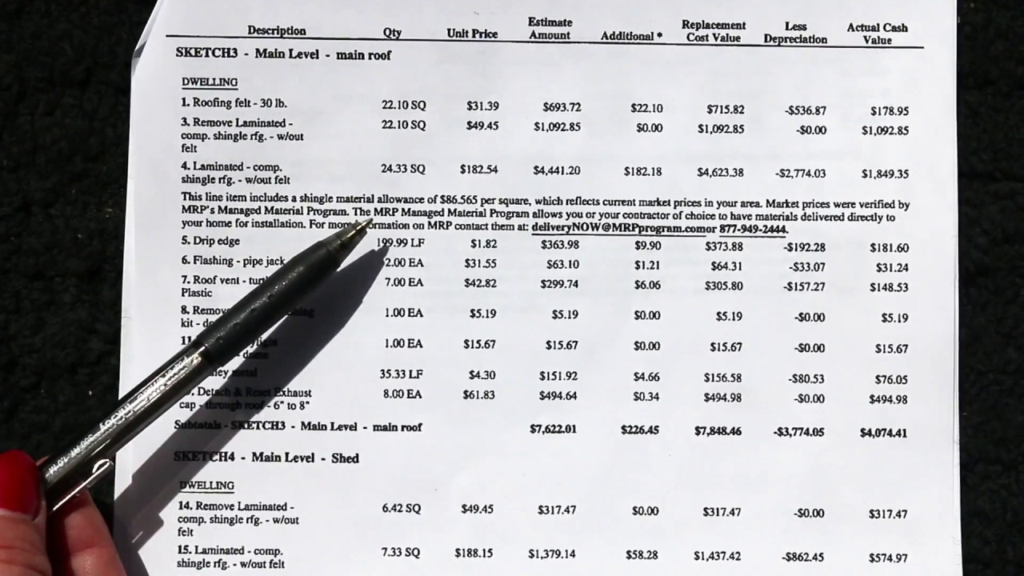
Why Supplements Are Critical (and Often Overlooked)
You may wonder what even a roofing insurance supplement means. A supplement is basically a “revision” to the original insurance claim. Maybe a storm revealed extra hail damage, maybe roofing materials are more expensive than initially quoted, or perhaps you missed a detail on the first estimate. If you don’t supplement your insurance claims, it happens when you:
- Forget to document additional damage
- Don’t know how to submit a supplement properly
- Rely solely on the original estimate and hope the insurance adjuster “catches” it
Tools like SuppTrax can make this easily manageable. They organize photos, line items, and notes so you can submit supplements quickly and with accuracy.
Step 1: Identify the Need for a Supplement
The first step is simple but often ignored: figure out if a supplement is necessary. Ask yourself:
- Was additional damage discovered after the initial claim?
- Did material costs rise unexpectedly?
- Were any repairs or replacements missed on the first estimate?
The moment you identify a gap, document it immediately. Don’t wait until you’re mid-project. Carriers want timely submissions, and delays can trigger pushback.
Walk the entire property yourself. Take detailed notes, photos, and measurements of every slope, vent, and penetration. A roof isn’t just shingles; it’s gutters, flashing, skylights, vents, and soffits.
Step 2: Document Everything Clearly
Here’s where many roofers stumble. A supplement isn’t just a “hey, add more shingles.” It’s a legal and financial document that must clearly communicate additional damage and costs. This documentation should include:
- Date-stamped photos of new or missed damage
- Detailed descriptions of why the work is necessary
- Line-item estimates for labor and materials
- Any codes or standards required for repairs
Insurance carriers are looking for clarity. If your documentation is sloppy, they’ll deny the supplement or slow-walk it. Use ProLine’s communication-first CRM to organize notes, reminders, and follow-ups for each supplement.
When everything lives in one place (photos, estimates, & emails), you never miss a step.

Step 3: Create the Supplement Estimate
Once you have your documentation, it’s time to translate it into a formal supplement estimate.
- Break it down line by line
- Include labor, materials, disposal, and any specialty work
- Attach photos or diagrams to each line item
The goal here is to make the insurance adjuster’s job as easy as possible. If it’s simple for them to see the added damage and costs, approval is faster.
Step 4: Submit to the Insurance Carrier
Timing and method matter. Most carriers prefer digital submission these days, often through portals or email. When submitting, you should :
- Include a cover letter summarizing the supplement and reference the original claim number.
- Attach your detailed line-item estimate.
- Include photos and notes organized clearly.
- Follow up proactively within 24–48 hours to confirm receipt.
Track all communication in ProLine. That way, if the adjuster calls or emails, you have every message, note, and photo at your fingertips. You’re also less likely to get delayed because something “fell through the cracks.”
Step 5: Negotiate and Clarify
Sometimes the carrier will question a line item or push back on costs. This is where your roofing professionalism and documentation win.
- Use photos and detailed notes to support your claims
- Clarify why the additional work is required (safety, code compliance, or material costs)
- Don’t be afraid to escalate or request a re-inspection if necessary
A repeatable process makes this easier. When you know exactly how your supplements flow, negotiating becomes smoother and faster.
Step 6: Update Your Workflow and Tools
Once the supplement is approved, integrate the process into your standard workflow. Consider:
- Creating checklists for each step of supplementing
- Standardizing documentation and photo angles
- Training your crew on how to identify damage to supplements
A strong workflow saves hours and prevents revenue loss. Many successful roofing contractors in 2026 rely on SuppTrax or Contractor Supplement Solutions to enforce this structure.
You may use your CRM to set automatic reminders for follow-ups. When you stay on top of every supplement, your reputation with carriers and homeowners grows, and you reduce delays, especially if you have the right roofing supplement specialists by your side.
Step 7: Close the Supplement and Document for the Future
Once the carrier approves the supplement, this is what you should do:
- Ensure the payment is processed and posted correctly
- Update your internal project files
- Store photos and documentation for future reference in case of disputes
This step is often overlooked. Proper closure ensures that you can confidently reference prior claims, speed up audits, and show homeowners your professionalism.
5 Common Mistakes When Supplementing Roofing Claims
1. Waiting too long to submit:
Timing is everything. Every day you delay submitting a supplement, the adjuster’s memory fades, paperwork gets buried, and approval becomes harder.
Some carriers have strict windows for supplemental claims, and pushing the deadline can trigger unnecessary denials. As soon as you identify additional damage or costs, document them and submit.
Don’t let “we’ll do it later” turn into lost revenue.
2. Inadequate documentation
A supplement without clear, detailed evidence is rejected. Blurry photos, vague descriptions, or missing line items leave adjusters guessing. Remember, they don’t know what you saw on-site. Every missing photo or unlisted vent can mean thousands of dollars left on the table.
Use organized photo logs, mark problem areas, and attach notes for each line item to make your supplement airtight.
3. Ignoring small items
It’s easy to overlook gutters, vents, flashing, soffits, and other “minor” components. But those small details add up fast. A missing flashing repair or a vent replacement can cost hundreds or even thousands per home.
When you systematically check every roof element and document it, you capture every dollar the homeowner is entitled to, and your company avoids leaving money on the table.
4. No system for follow-ups
A supplement is rarely a “submit and forget” task. Adjusters often have multiple claims to review, and without a structured follow-up schedule, your supplement can stall for weeks.
Setting reminders, logging every email or call, and maintaining a communication trail ensure your supplement stays top of mind. ProLine’s CRM helps here by letting you track follow-ups, schedule reminders, and even automate notifications for yourself and your team.
5. Relying solely on memory
Humans forget details, even experienced roofers. If you rely on memory alone, you risk leaving off key line items or miscommunicating damage. Having everything in one place makes the process repeatable, defensible, and professional. Remember, it’s all about the 20% rule!

Build a Repeatable Supplement Process
Supplementing isn’t just a task; it’s a competitive advantage. The contractors who systematize the process, organize documentation, and communicate clearly win more approvals and earn more per claim. You don’t need decades of experience. That’s why roofers rely on SuppTrax and Contractor Supplement Solutions to manage communications easily.
When you put all of that together, supplementing becomes fast, predictable, and profitable. You’ll close more jobs, make it home for dinner, and build a reputation for professionalism that keeps homeowners coming back. Everything will be possible with ProLine!
Book a demo with ProLine today to see how a communication-first CRM can make every step of the supplement process smooth, organized, and stress-free.
FAQs About Roofing Insurance Supplements
What is a roofing insurance supplement?
A supplement is an adjustment to the original insurance claim, often adding missed damage, rising material costs, or additional labor.
Do I need special software to create supplements?
Not strictly, but platforms like SuppTrax and Contractor Supplement Solutions streamline the process, reduce errors, and increase approval speed.
How long does it take to get a supplement approved?
Most carriers respond within 7 to 14 days if the documentation is clear. Complex supplements or disputed items may take longer.
Can I supplement a claim after work is started?
Yes. In fact, many supplements are identified once crews are on the roof. Document carefully, then submit promptly.
How much extra revenue can supplements generate?
Contractors who actively manage supplements see 15% to 20% more revenue per claim. Every missed vent, damaged gutter, or replacement shingle can add up.