If you spend your days on roofs, you learn one thing fast: regular pants don’t survive roofing work. Between rough shingles, steep pitches, ladders, nail guns, and long hours kneeling, cheap workwear gets destroyed quickly. You see torn knees, ripped pockets, and stiff fabric that makes climbing miserable.
The right pair of roofing pants fixes that. Good roofing pants should do three things well:
- Protects you from abrasion and sharp materials
- Moves with you when climbing, kneeling, and stretching
- Lasts long enough that you’re not replacing them every month
That’s why professional roofers rely on heavy-duty work pants with reinforced knees, flexible fabrics, and smart tool storage. Many include knee-pad pockets, reinforced seams, and breathable materials designed for long days outdoors. Remember, roofing is a tough job for your crew and can mess up their body if you don’t provide them with the right wardrobe.
In this guide, you’ll find crew-approved roofing pants for 2025, plus tips on choosing the right pair so you stay comfortable, safe, and productive on every job.
Unsafe Attire That Can Put Roofers at Risk
- Loose or Baggy Pants
Pants that are too loose can catch on nails, hooks, or ladder rungs, causing trips or falls. Baggy cuffs can also interfere with climbing ladders or stepping on fragile shingles, which may lead to injuries. Roofers need pants with a secure fit around the waist and ankles that still allow bending and kneeling.
- Non-Durable Fabrics
Jeans or work pants without reinforced knees, stress-point stitching, or abrasion-resistant fabrics may tear or wear through quickly. When pants rip mid-job, it’s more than inconvenient; it can expose skin to sharp edges, shingles, or hot surfaces, increasing the risk of cuts and burns. These fabrics also fail to protect roofers from asbestos, especially in construction.
- Slippery Materials
Some casual pants or synthetic fabrics can reduce traction on sloped surfaces, especially if dust, debris, or water gets on the roof. Slick fabrics make it harder to maintain a stable footing on steep pitches, contributing to slips and falls. We recommend getting the right roofing shoes for your crew as well, so they won’t get injured when climbing steep roofs.
- Overloaded Pockets
While tool pockets are essential, stuffing pants with too many tools or heavy items can throw off your balance, especially when moving across steep or uneven surfaces. Roofers need to distribute weight wisely and avoid carrying heavy items in back pockets or unsecured cargo pockets.
Top Roofing Pants for 2025
Unsafe attire might seem like a minor issue compared to storms or heavy materials, but clothing mishaps account for a surprising number of minor and major accidents on roofs. Experts all over the world have opined that roofing is one of the most dangerous professions out there. But you can alleviate these risks by getting the right wardrobe solutions that won’t “malfunction.”
Choosing purpose-built roofing pants (i.e., with reinforced knees, durable fabrics, proper fit, and thoughtfully placed tool storage) isn’t just about comfort. It’s about reducing risk, staying efficient, and keeping every crew member safe. Let’s discuss a few major options here.
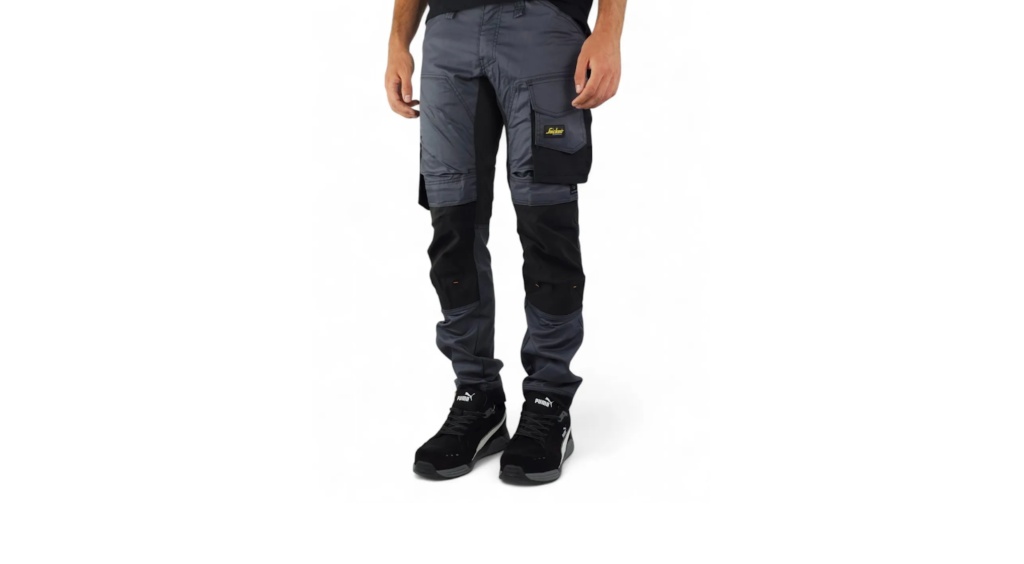
1. Snickers Workwear 6341 AllroundWork Pants
If you talk to experienced contractors, Snickers Workwear often comes up as a premium option. These pants are built specifically for tradespeople who kneel, climb, and carry tools all day. When you get these pants, it means your crew will enjoy:
- Integrated knee-pad pockets
- Durable stretch fabric panels
- Reinforced tool storage
- Excellent flexibility when climbing ladders
Many tradespeople consider Snickers pants expensive, but worth it because they last longer than cheaper alternatives. On construction forums, one user explained that switching to Snickers pants with built-in knee pads was a major efficiency upgrade for daily work.
Great for roofers who want premium durability and built-in knee protection.
2. Blaklader 1630 Craftsman Pants
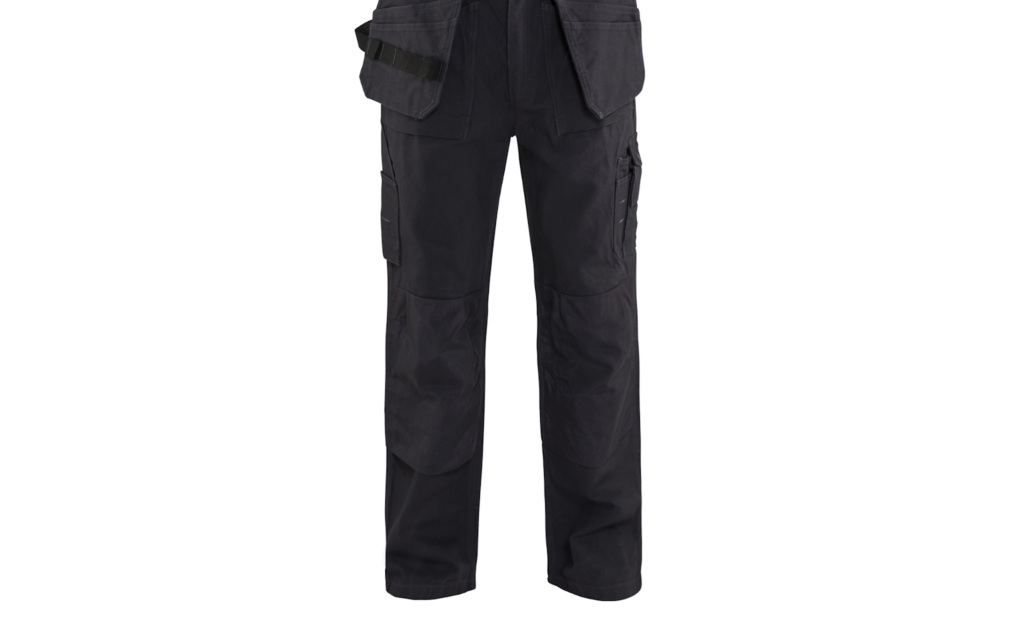
Blåkläder (often written Blaklader) is another brand known for durability and tool-heavy designs. These pants are legendary in European construction trades. Their key features include:
- Heavy-duty cotton construction
- Multiple reinforced pockets for tools
- Adjustable waistband for comfort
- Reinforced seams and stress points
Blaklader pants are designed to carry nails, knives, and other tools without wearing out quickly. Roofing work destroys pockets and seams faster than almost any trade. Blaklader solves that problem with reinforced storage areas designed for daily abuse.
Great for contractors who want maximum durability and lots of tool storage.
3. Carhartt Rugged Flex Rigby Dungaree
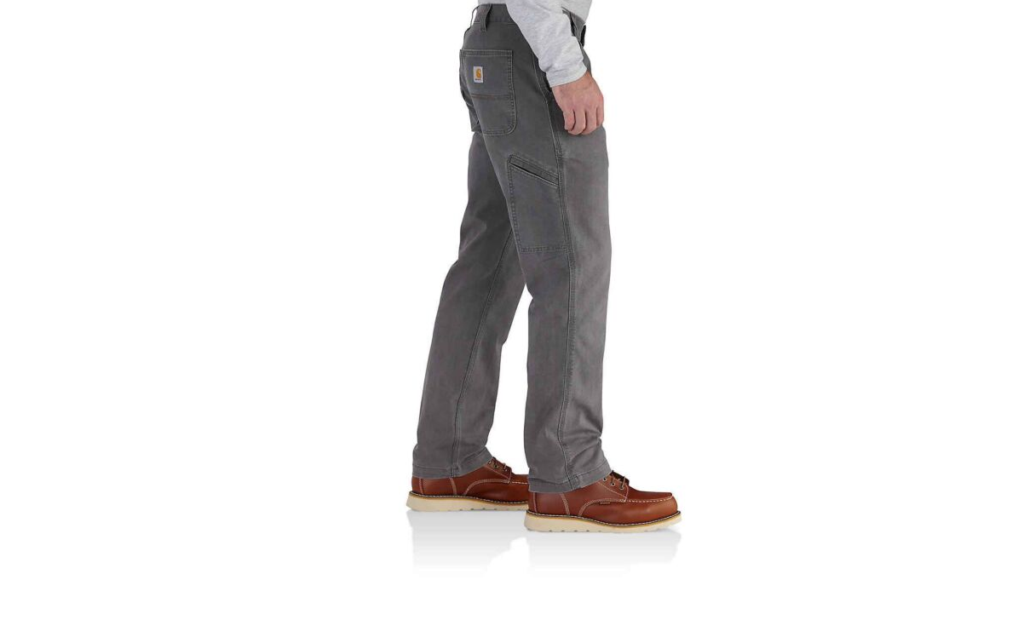
Carhartt has been a staple in construction workwear for decades. The Rugged Flex Rigby Dungaree is a modern version designed for mobility and comfort. Their major characteristics include the following:
- Stretch canvas fabric
- Reinforced pockets
- Relaxed fit for movement
- Durable cotton blend
Carhartt work pants are known for heavy-duty duck canvas fabric and reinforced stitching designed to survive demanding job sites. (Journeyman HQ) They’re affordable, comfortable, and easy to find. Many roofing crews wear Carhartt because they strike a good balance between price and durability.
Great for roofers who want reliable work pants without spending premium prices.
4. Duluth Trading Fire Hose Flex Work Pants
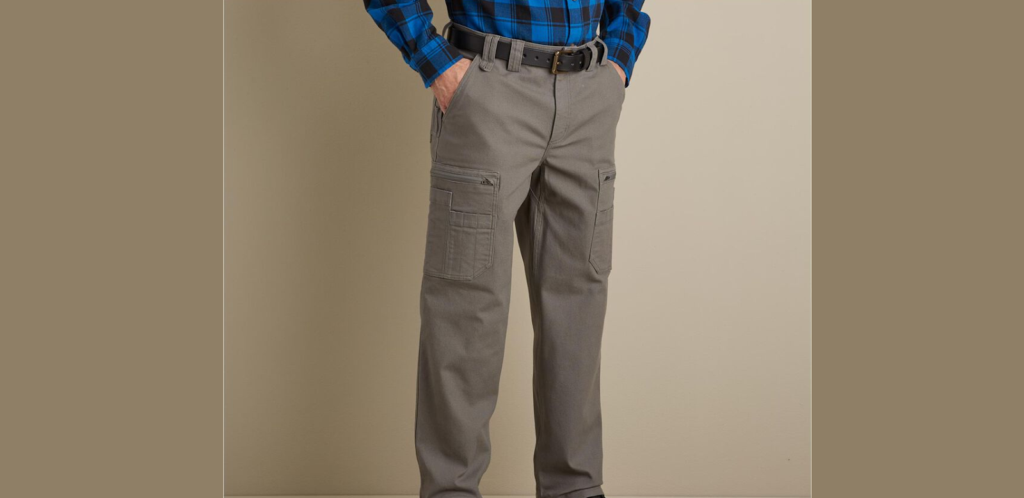
Duluth’s Fire Hose line is famous for its extremely tough fabric designed for rugged jobs. These pants are built for movement and durability. You’ll appreciate these traits in these pants:
- Flexible canvas fabric
- Reinforced stress points
- Tool pockets and cargo storage
- Comfortable fit for climbing
The Fire Hose material is designed to resist tearing and abrasion from rough surfaces. Roofing work involves constant friction from shingles, nails, and ladders. Tough fabrics like Duluth’s Fire Hose help pants last longer.
Great for roofers who want flexible pants that can handle rough environments.
5. Propper Kinetic Tactical Pants
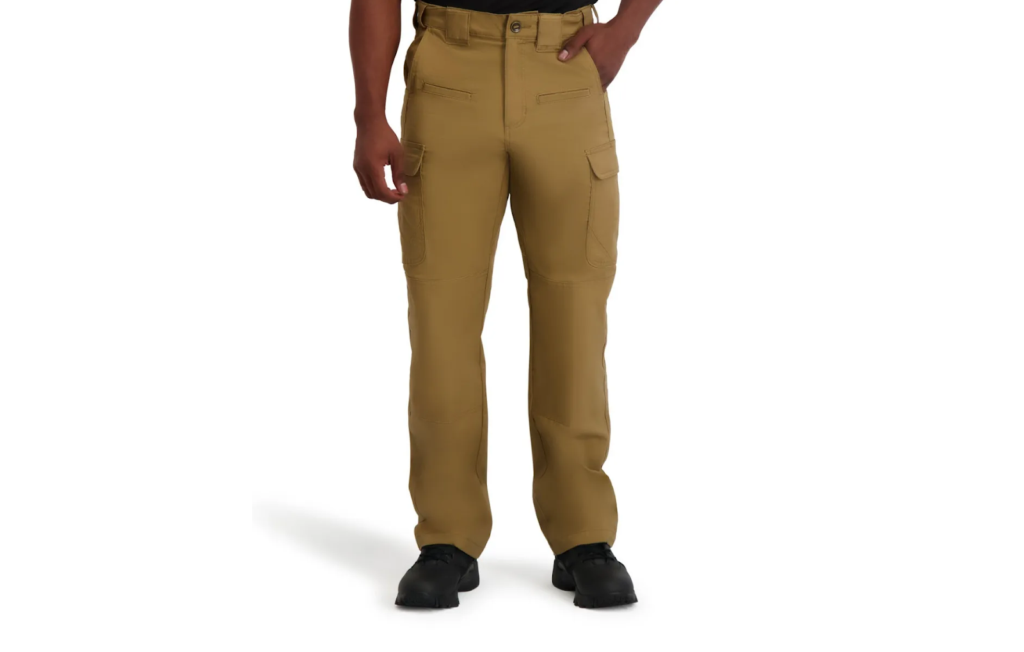
Roofers who prefer maximum mobility and utility storage often lean toward tactical‑style work pants like the Propper Kinetic series. Originally designed for active professions that require movement and gear accessibility, these pants have crossed over into roofing because they combine comfort, stretch, and thoughtful pocket design in ways traditional work pants don’t always match.
- Reinforced knee areas compatible with removable pads
- Teflon‑treated fabric resists stains and debris
- Multiple cargo and utility pockets sized for tools
- Articulated knees and stretch fabric for climbing and squatting
Roofing work often requires repeated climbing, bending, and balance shifts on steep surfaces. The combination of articulated motion and well‑placed pockets makes these pants particularly practical when you’re moving fast across large roofs or carrying multiple tools.
Great for roofers who prioritize mobility and utility, especially those on crews that move quickly between assignments.
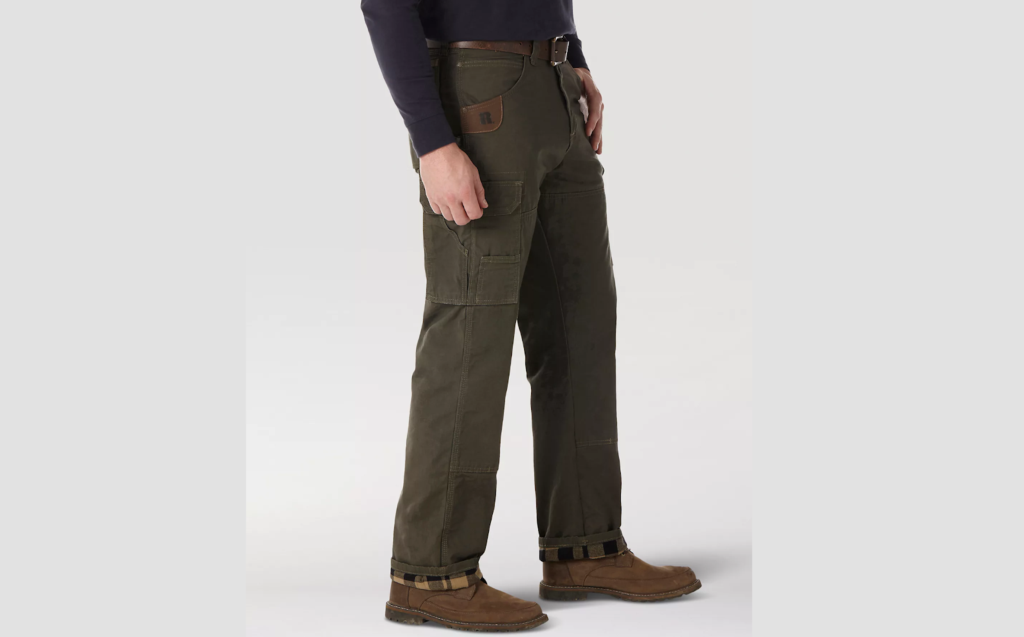
6. Wrangler Riggs Ranger Work Pants
Wrangler’s Riggs Ranger line might not have the same high‑end reputation as some premium workwear brands, but it’s gained traction with roofers for its blend of affordability, durability, and practical design built around real job‑site needs. You’ll appreciate features like:
- Reinforced stitching in high‑wear areas
- Deep pockets with secure closures
- Hammer loop and utility pocket options
- Straight cut with room for movement
Many crews outfit multiple workers, and the cost of replacing pants on a regular basis adds up. Wrangler Riggs pants offer rugged construction at a more accessible price point, without severely sacrificing durability or comfort. They don’t have all the bells and whistles of premium tactical models, but they’re solid performers for roofing crews who need reliable pants on a budget.
Great for roofing companies that need budget‑friendly, everyday work pants that still stand up to job‑site wear.
Features Roofing Crews Care About Most
Just as using technology & automation will help you cut costs and save lives, the right pants will keep your crew safe and comfortable on a job. But if you’re not happy with our suggestions in this blog, we’ll help you figure out the best roofing pants of your own choice. After talking with contractors and reviewing workwear recommendations, a few features consistently stand out.
Knee Protection
Roofers spend hours kneeling during installs. That’s why many roofing pants include knee-pad pockets or reinforced knee panels. These reduce fatigue and help prevent injury during long days on the roof.
Durability
Your best roofing pants should survive:
- Abrasive shingles
- Sharp fasteners
- Constant climbing
Duck canvas and reinforced cotton fabrics are commonly used because they resist tearing.
Mobility
Roofers climb ladders, walk slopes, and crouch frequently. That’s why you should look for:
- Stretch fabric
- Gusseted crotch
- Articulated knees
Tool Storage
Many roofing pants include features that help keep tools within reach without carrying a heavy tool belt all day.
- Hammer loops
- Utility pockets
- Reinforced cargo pockets
Experts have also suggested that using sun protection and working in pairs can also keep roofers safe & sound on a tough job. If you need estimates, you can always use drones to measure a client’s roof and make the life of your diligent crew way easier…
The Right Pants Make Roofing Easier
Roofing is tough work. Your gear should make it easier… not harder. The best roofing pants combine durability, mobility, and comfort so you can focus on the job instead of worrying about ripped fabric or sore knees. You can get any of the pants we’ve mentioned above or find the best roofing pants on your own with the traits & features we’ve mentioned to make sure that your crew can work comfortably.
Whether you choose premium workwear like Snickers or dependable staples like Carhartt, investing in the right pants can save you money, improve productivity, and keep your crew comfortable through long days on the roof. Because when your gear works as hard as you do, every job gets a little easier.
FAQ | Best Roofing Pants
What pants do professional roofers wear?
Professional roofers wear heavy-duty work pants with reinforced knees, stretch fabric, and tool pockets.
Are knee-pad pants worth it for roofing?
Yes, roofers kneel frequently during installations, so pants with knee-pad pockets reduce strain and improve comfort during long workdays.
How long should roofing pants last?
High-quality work pants can last months or even years, depending on how often they’re used and the type of roofing work performed.
Should roofing pants be loose or fitted?
Roofing pants should allow freedom of movement without being overly baggy. A relaxed fit with stretch panels usually works best for climbing and kneeling.