
Want to learn about a roofing insurance supplemental application? Preparing a claim supplement is a skill that separates roofers who get paid what they deserve from those leaving revenue on the table. While most contractors understand the basics of insurance claims, supplements are a whole different ballgame.
Unlike the initial claim, a supplement targets overlooked or underpaid damage. This means your submission must be airtight, supported by documentation, and easy for adjusters to process. Doing this correctly can accelerate payment, reduce back-and-forth, and increase trust with homeowners. After all, you need to know how to properly price a roofing job in 2026!
We’ll give you a step-by-step guide to preparing a roofing insurance claim supplement that works in the real world.
Step 1: Identify the Gaps in the Original Claim
You should start by learning why and how you even supplement roofing insurance claims in the first place. Before you write a supplement, you need to pinpoint what was missed or underpaid. You may start with these steps:
- Review the original scope: Compare the adjuster’s report with your field notes and photos. Look for missing roof sections, underreported materials, or overlooked damages like flashing, vents, and gutters.
- Confirm with the homeowner: Ask if there are areas not captured during the initial inspection. Sometimes, small details (like hail damage to siding or valley shingles) become crucial line items.
- Cross-check Xactimate codes: Make sure the original claim used the correct codes. Incorrect or omitted codes are a common reason for denied supplements.
You should take organized notes in a tool like ProLine, so every gap is clearly documented and easily referenced for later steps.
Step 2: Create a Supplement Plan
Once you know what’s missing, build a supplement plan that lays out how to address each issue.
- Prioritize items by impact: Start with damages that are costly or high-risk for the homeowner. Adjusters process clear, concise supplements faster.
- Set a timeline: Decide when you’ll gather photos, measurements, and line items, and when you plan to submit. Keeping yourself on schedule prevents lost revenue due to slow follow-up.
- Determine documentation needs: Will you need date-stamped photos, drone footage, or repair estimates? Knowing this ahead of time saves last-minute scrambling.
This plan ensures you approach the supplement systematically rather than piecemeal. On the other hand, contractors who skip planning often waste hours redoing work or chasing missing details.
Step 3: Organize Evidence and Pricing
A supplement is only as strong as its evidence. Roofers who usually compile well-organized documentation get faster approvals.
- Photos: Capture every roof slope, vent, flashing, and other damage. Label each photo with date, location, and affected material.
- Measurements: Use accurate roof measurements to calculate shingles, underlayment, and accessories needed. Tools like Hover or EagleView can speed this up.
- Itemized pricing: Line up materials and labor costs using Xactimate or verified pricing databases. Include any code adjustments for hail or wind damage.
- Prior approvals: Include any prior correspondence with the insurance adjuster or homeowner, so the supplement shows a complete story.
Many contractors underestimate how much detail adjusters need. Remko Bloemhard often points out that “supplements get denied not because the damage isn’t there, but because the evidence isn’t clearly organized.”
Step 4: Craft the Supplement Package
With all your evidence and pricing ready, you can create a professional supplement package. Key components include:
- Cover letter: Briefly explain what’s being supplemented and why it was missed in the initial claim. Keep it factual and professional.
- Itemized list: Match each missing item with documentation, photos, and pricing. Make it easy for adjusters to cross-reference.
- Attachments: Include organized PDFs of photos, inspection reports, Xactimate line items, and any other supporting documents.
Step 5: Submit Professionally
How you submit matters just as much as what you submit.
- Use the insurer’s portal whenever possible. This provides timestamps and avoids lost emails.
- Request confirmation: Always ask for a receipt or confirmation of submission. This reduces disputes about timing.
- Keep a backup: Store a copy of every document in your CRM or cloud folder. ProLine’s job management tools are perfect for centralizing supplements, photos, and messages so nothing gets lost.
Proper submission reduces delays and ensures you maintain credibility with adjusters.
Step 6: Follow Up Strategically
Most supplements require follow-up to get approved and paid. Being proactive without being pushy is key.
- Set reminders: Use a system like ProLine to track when follow-ups are due.
- Contact politely: Ask for status updates, but include clear references to the supplement items, photos, and line numbers.
- Escalate when needed: If a supplement stalls, escalate professionally through the adjuster’s manager or your supplemental expert, like SuppTrax.
A structured follow-up cadence often turns “maybe” responses into approved claims.
Step 7: Decide When to Use Experts or Tools
Not every supplement should be DIY. Sometimes, outside help accelerates approvals and maximizes recovery.
- SuppTrax audits your supplements and ensures no line items are missed. Their system catches gaps that often cost contractors thousands.
- Contractor Supplement Solutions can provide you with full-service options for preparing, formatting, and submitting supplements, letting you focus on installs rather than paperwork.
For roofers with high-volume claims, these tools prevent revenue loss and keep your business running smoothly. Pairing these services with ProLine keeps all communications and documents in one central hub.

Common Mistakes Contractors Make With Supplements
Submitting incomplete photos
Photos are your strongest evidence, but missing angles, blurry shots, or unclear labeling can sink a supplement. Every slope, penetration, and flashing should be documented. Label photos with date, location, and the specific damage to make it easy for adjusters to cross-reference.
Don’t assume an adjuster will just “fill in the gaps,” since their job is to verify, not guess. Using ProLine ensures all images are organized and attached directly to the job for easy access.
Rushing the pricing
Many contractors underestimate the importance of accurate line items. Using outdated material costs, skipping labor calculations, or ignoring code-specific adjustments can lead to denied supplements. Even small errors compound when submitting multiple items.
You should double-check Xactimate or verified local pricing before submission. A systematic approach prevents leaving money on the table and reduces follow-up questions from adjusters.
Ignoring adjuster communication
Prompt, professional communication is critical. Failing to respond to requests for clarification or additional documentation erodes trust and slows approvals. Even a brief update, such as “we’ve submitted the supplement and attached detailed photos per your request,” goes a long way.
Roofers who track communications using ProLine see every message, reminder, or follow-up in one place. That’s why we believe that choosing the right CRM is of utmost importance!
Skipping planning
Supplements without a plan often turn into a jumble of documents, photos, and pricing, which adjusters hate. Piecemeal submissions leave room for misinterpretation and denial. Before starting, outline each missing line item, the evidence to support it, and the order of submission.
A structured plan ensures every gap is addressed efficiently and shows the adjuster you are organized and professional.
DIYing everything on high-volume claims
High-volume contractors sometimes try to handle every supplement themselves, thinking it saves money. In reality, this often leads to overlooked damages, errors, or delayed submissions. Using experts like SuppTrax or Contractor Supplement Solutions allows your team to focus on installs while ensuring supplements are submitted correctly and maximizing your recovery.
Combining expert support with ProLine CRM keeps all job information centralized, making follow-ups and adjustments seamless.
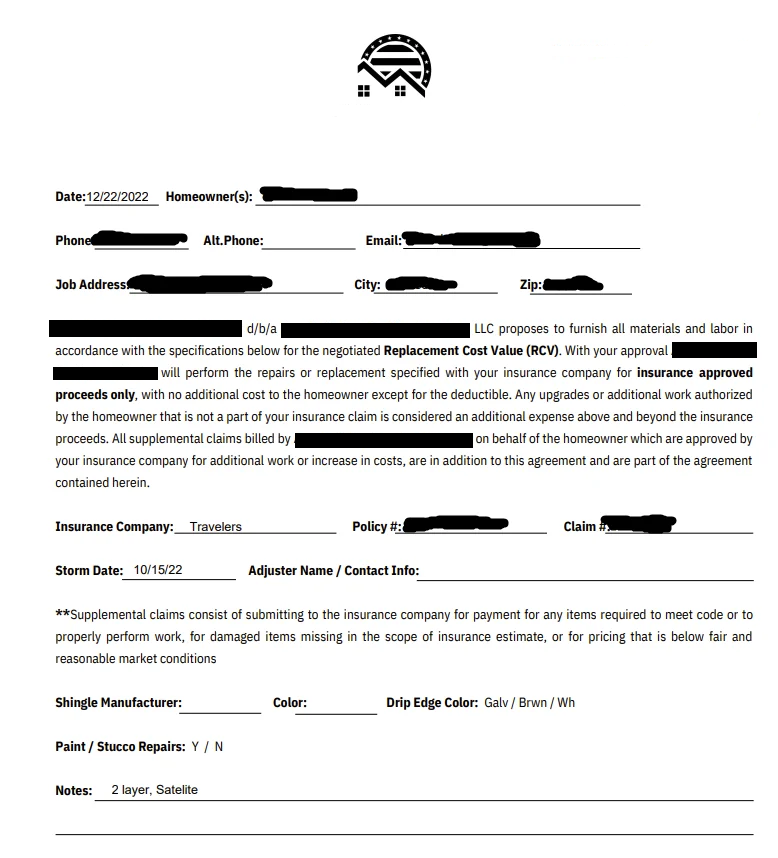
Conclusion
Preparing a roofing insurance claim supplement is more than submitting missing line items; it’s a structured process that protects revenue, builds professionalism, and strengthens trust.
When you follow the steps outlined above, you ensure supplements get approved faster and pay out fully. Leveraging practical tools like ProLine CRM, expert resources like Contractor Supplement Solutions keep your business efficient, your crews focused on installs, and your cash flow predictable. So, want to stop losing money on poorly estimated jobs?
In 2026, roofers who master supplements create repeatable systems that scale, reduce headaches, and help you make it home for dinner at the end of a long day. Get started.
FAQs | Roofing Insurance Supplemental Application
How long does it take to get a supplement approved?
It varies by insurer, but most take 2 to 6 weeks.
Can I submit multiple supplements for the same job?
Yes, if additional damage is discovered after the first supplement, submit a new, clearly labeled supplement with all supporting evidence.
Should I include homeowner communications?
Indeed, you should include signed statements or email confirmations that validate the missing damages. Adjusters appreciate a complete context.
Is Xactimate required for supplements?
Not always, but it’s highly recommended. Using Xactimate ensures line items are standardized and easily processed by adjusters.
How many photos are enough?
Quality over quantity. Capture clear, labeled images for every affected area. Include before-and-after comparisons if applicable.