Are 3-Tab Shingles Discontinued? Not completely, but the category is shrinking fast. Some manufacturers still make three-tab shingles, including GAF with its Royal Sovereign line. But there are fewer products, fewer colors, and fewer places to find a match than there used to be.
That matters for how you sell. If you tell a homeowner that three-tab shingles are gone, you’ll be wrong in some markets. If you act like nothing has changed, you’ll get surprised the first time you can’t find a match for a repair. The honest message sits in the middle, and it gives you a good reason to lead with architectural shingles.
What the Numbers Say About Three-Tab Shingles
Nearmap, which bought the roofing data company itel, tracks asphalt shingle products in a database. Its white paper on three-tab shingles reports two numbers worth knowing:
- The number of unique three-tab shingle products available in the U.S. fell 68% over the last five years.
- The share of cases where a matching three-tab shingle wasn’t available on the open market grew to 54% over the past four years. Nearmap says it looks at more than 30,000 three-tab shingles a year to find matches.
Keep a few things in mind. These are Nearmap’s own figures, and the company sells tools for matching materials on insurance claims. The 68% number counts product variations, not total sales or production. The 54% number is about finding a match for a specific shingle, not about whether any three-tab shingle exists. Together they show the category is getting thinner. They don’t show that three-tab shingles have disappeared.
Nearmap also pointed to itel data on the 2023 claims it analyzed. In the Eastern U.S., especially the Northeast, nearly two-thirds of homes with asphalt shingle claims had three-tab shingles. That tells you a lot of older roofs out there are three-tab, and they’re the ones that will be hardest to repair.
Why Manufacturers Are Moving Away From Three-Tab Shingles
Nearmap says manufacturers have simplified their product lines, and that three-tab shingles have a shorter lifespan than architectural shingles, which has cut demand from homeowners and roofers. Both make sense. A few other things are also likely at play.
Homeowners Want More Choices
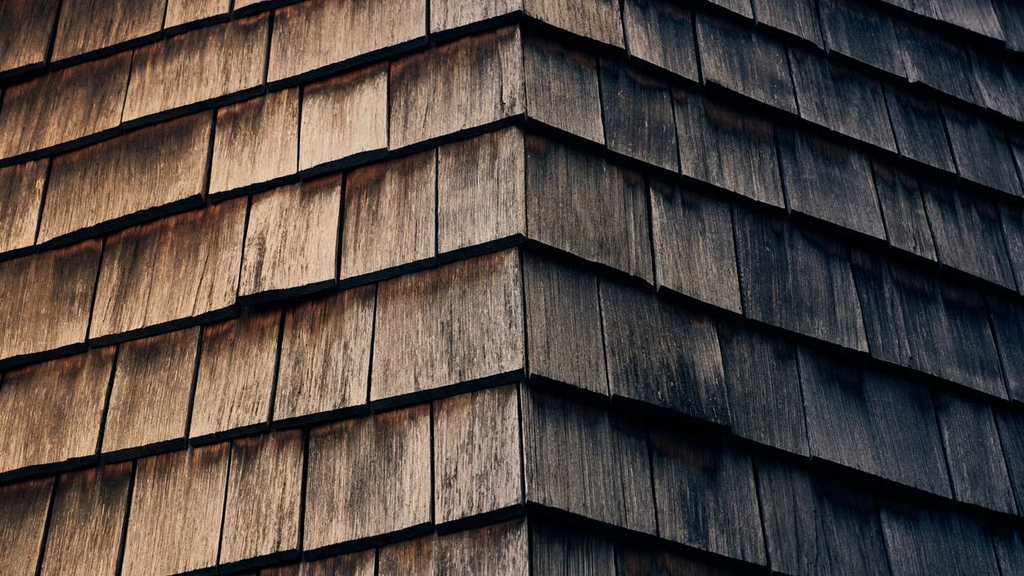
Three-tab shingles have a flat, even look. Every tab repeats the same pattern across the roof.
Architectural shingles, also called dimensional or laminated shingles, are built in layers. That gives them a fuller look, and they come in many profiles and colors. A roof covers a big part of what people see from the street, so a homeowner who is already paying for a new one may want it to look more finished.
That doesn’t mean every homeowner wants the priciest shingle. It means you should show them what the options offer before you assume they’ll pick the cheapest one.
Architectural Shingles Come in More Versions
Architectural shingles aren’t one product. Manufacturers sell different lines with different wind ratings, warranties, impact-resistance ratings, and looks. That gives you more room to match a roof to what the homeowner cares about.
Someone in a high-wind area may care most about the tested wind rating and install rules. Someone focused on curb appeal may care more about color and profile. Someone else may want the best balance of upfront cost and long-term value.
What Fewer Three-Tab Shingles Means for Repairs and Claims
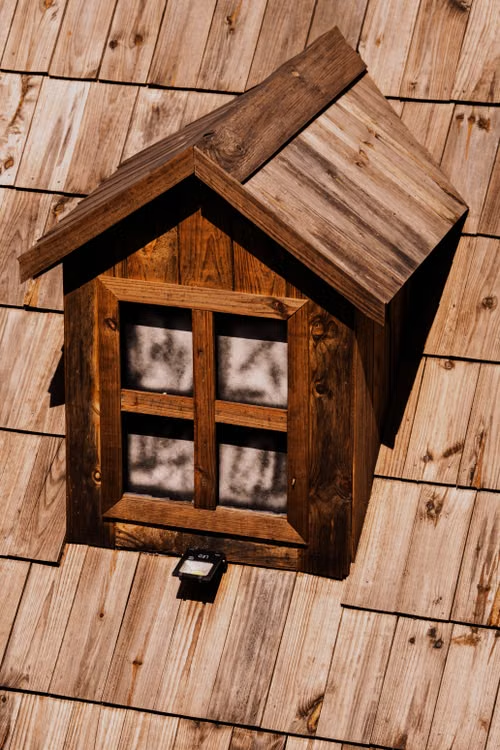
Less variety hurts most when you’re working on an older roof. A homeowner may have a few damaged shingles, but the original product may be discontinued, the color may be gone, or the closest option may look off.
Nearmap says this shift affects insurance carriers too, since they’re among the biggest buyers of these shingles. When a match can’t be found, carriers may end up paying for more full roof replacements. Homeowners may also pay more if the alternatives cost more than what they have now.
For you, the takeaway is simple. Don’t promise an exact match until you’ve confirmed you can get one. Check with your supplier first, and bring a sample of the existing shingle when you can. If a repair can’t be matched, explain that early so the homeowner doesn’t feel surprised later.
Why Roofers Shouldn’t Lead With Three-Tab Shingles
You don’t have to turn down every three-tab job. A homeowner may have a tight budget, want a like-for-like repair, or need a product that meets a certain requirement. But offering a product when it makes sense is different from making it your default.
You’re Competing on Price Before Explaining Value
When your first suggestion is the cheapest shingle, the homeowner starts comparing estimates by price alone. The lowest number can look like the best deal, even when the bids cover different materials, warranties, accessories, and install details.
That’s a tough spot. You’re trying to protect your margin while explaining why your bid costs more than another roofer’s. Start with the roof the homeowner needs instead. Explain the options, what makes them different, and why you recommend one for that home. You can still offer a lower-cost choice. Just don’t make price the only reason to hire you.
You’re Leaving Value on the Table
A roof replacement is a big purchase. Homeowners want to know the product will protect their home and fit their budget. Architectural shingles give you a chance to talk about looks, specs, warranty coverage, and upgrades. You can explain which features matter for the home and which ones may not be worth the extra cost.
That conversation helps homeowners choose well, and it shows your expertise instead of just handing over a number.
You’re Making Your Sales Process Harder
If your reps default to the cheapest product, they may have to fight price objections later when they bring up a better option. It works better to make your recommendation first. Explain why it fits the project, show the other options, and let the homeowner compare.
How to Sell Architectural Shingles Without Sounding Like You’re Upselling
The goal isn’t to get every homeowner to buy the most expensive shingle. It’s to help them understand what they’re paying for.
1. Start With the Homeowner’s Priorities
Before you recommend a product, ask what matters most. Are they worried about upfront cost? Do they want better curb appeal? Are they concerned about wind or past storm damage? Their answers should guide what you recommend.
A homeowner getting ready to sell may care most about looks and budget. Someone planning to stay for decades may want to compare warranties and specs more closely. A good recommendation starts with the home and the person paying for the work.
2. Show Them the Real Differences
Skip vague phrases like “better quality” or “more durable.” Bring samples, manufacturer brochures, and clear comparisons to the appointment. Show how the profiles differ, and explain the wind rating, warranty terms, and other specs that matter. If you talk about impact resistance, use the manufacturer’s actual test and rating info instead of big promises about hail protection.
3. Offer Good, Better, and Best Options
A multi-option estimate lets homeowners compare products without feeling pushed toward one price. Here’s one way to set it up:
- Good: A solid entry-level product that meets the home’s needs and the homeowner’s budget.
- Better: An architectural shingle with a stronger mix of looks, specs, and warranty coverage.
- Best: A higher-tier roofing system with extra features that make sense for the home and the homeowner’s goals.
Your products will depend on your market and what your suppliers carry. Don’t automatically make three-tab the “good” option if it isn’t right for the project. Explain the trade-offs clearly so the homeowner can see why one option costs more and decide if it’s worth it.
4. Follow Up With Useful Information
Homeowners rarely decide at the first appointment. They may want to review the estimate, compare colors, talk to a spouse, or ask about warranties. Give them room, but don’t disappear after you send the quote. A short follow-up can answer a question, clear up a product difference, or help them compare options. That builds trust and keeps your proposal from getting lost in their inbox.
Sell on Value, Not Just Price
Three-tab shingles aren’t gone, but fewer products and harder matches give roofing contractors a reason to rethink their standard recommendations. If you want a sales process built on better communication and stronger customer relationships, check out ProLine, the communication-first CRM that helps roofers sell more jobs and make it home for dinner.
FAQs
Are 3-tab shingles discontinued?
Not completely. Manufacturers such as GAF, Owens Corning, CertainTeed, Atlas, and IKO have all been listed as makers of three-tab lines, but product choice has shrunk. Nearmap reports a 68% drop in unique three-tab products over five years. Check with your supplier to see what’s available in your area.
Why are 3-tab shingles being phased out?
Nearmap says manufacturers have simplified their product lines and that three-tab shingles last a shorter time than architectural shingles, which has lowered demand. Homeowners also have more choices in how a roof looks.
Are architectural shingles better than 3-tab shingles?
Architectural shingles usually have a fuller look and come in more options, and some have higher wind ratings or other performance features. But compare the specs of the actual products instead of assuming every architectural shingle beats every three-tab shingle.
Can you still buy 3-tab shingles?
Yes, in many places. Suppliers may carry them in certain colors and locations. Confirm local availability before you put a specific product in your estimate.
Can you match an old 3-tab roof for a repair?
Sometimes, but it’s getting harder. Nearmap reports that a matching three-tab shingle wasn’t available on the open market in 54% of the cases it looked at over four years. Confirm a match with your supplier before you promise one.
Should roofers stop selling 3-tab shingles?
You don’t have to stop, but think twice before making them your default. Architectural shingles are a strong starting point for many replacement jobs. The right product depends on the homeowner’s budget, the home’s needs, local codes, and what’s available.