Running a roofing business today is about far more than installing shingles; it’s about following the best roofing practices. You also have to orchestrate every moving piece of your operation efficiently, from lead generation to crew management, material delivery, inspections, and follow-ups. When one element falls behind, the whole project suffers. Companies that standardize processes, track performance, and use modern management tools see higher profit margins, faster project turnaround, and fewer costly errors.
This guide will break down the practices that streamline roofing operations, improve efficiency, reduce waste, and enhance customer satisfaction. A communication-first CRM like ProLine will help you sell more jobs while keeping your operations organized and predictable.
Establish Clear Roles and Responsibilities
One of the most common challenges in roofing operations is role confusion. When team members aren’t sure who is responsible for what, tasks get overlooked, accountability fades, and projects take longer to complete. This type of operational uncertainty can cost time, money, and even customer trust. The solution is a clearly defined organizational structure.
Every team member should understand their responsibilities and know exactly who they report to. This clarity reduces mistakes, improves communication, and ensures everyone works efficiently toward the same goals. Here is how you can assign different roles:
- Office Manager
Oversees overall workflow, ensures processes are followed, and manages staff performance.
- Scheduler / Dispatcher
Coordinates crew schedules, confirms material deliveries, and tracks project progress.
- Customer Service Lead
Manages homeowner inquiries, addresses complaints, and provides updates throughout the project.
- Project Coordinator
Handles inspections, documents change orders, and ensures all paperwork is accurate and up to date.
When roles are clearly defined, your team knows what to focus on, communication flows more smoothly, and operational bottlenecks are easier to identify and resolve. This structure creates a foundation for a roofing business that runs efficiently, even during peak seasons.
Standardize Workflows With SOPs
Standard Operating Procedures are the backbone of predictable operations. They ensure that every step, from lead intake to job close-out, is executed consistently. Without these SOPs, businesses rely on memory and improvisation, which works for small operations but breaks down under scale. That’s how you avoid getting sued by disappointed homeowners!
Key areas to standardize:
- Lead Management
All incoming leads should follow the same process: capture, log, assign to a sales rep, schedule an inspection, and follow up. ProLine CRM automates lead logging and ensures no inquiry is overlooked.
- Scheduling Jobs
Schedules should account for crew availability, material delivery times, weather considerations, and travel logistics. SOPs allow your team to plan efficiently, reducing downtime and improving profitability.
- Job Close-Out
Each project should follow a uniform close-out process, including final inspections, photo documentation, homeowner walkthroughs, and follow-ups. Automating these steps ensures every job is consistently completed, leaving homeowners satisfied.
Documenting workflows and training staff on SOPs will help you minimize errors, speed up onboarding, and maintain high operational standards as they scale.
Centralize Communication With a CRM
Roofing involves dozens of moving parts: leads, inspections, crews, materials, permits, and follow-ups. Managing this with spreadsheets, texts, and emails leads to lost information and missed opportunities. A communication-first CRM like ProLine centralizes everything. With it, you can make project management as easy as pie, along with doing these things:
- Track leads and job status in real time
- Store inspection photos and notes
- Assign tasks to staff and field crews
- Automate reminders for follow-ups, inspections, and warranty checks
That’s why we believe that training new hires is so important! GAF has already trained more than 1,100 roofers; now, it’s your job to train your employees and help them become familiar with CRM tools. Only then can you successfully eliminate communication silos.

Master Communication With Homeowners and Crews
Effective communication is a cornerstone of streamlined operations. Homeowners expect timely updates, clear instructions, and transparency at every stage of a project. Miscommunication can damage trust and delay timelines.
Best practices for communication:
- Fast Lead Response
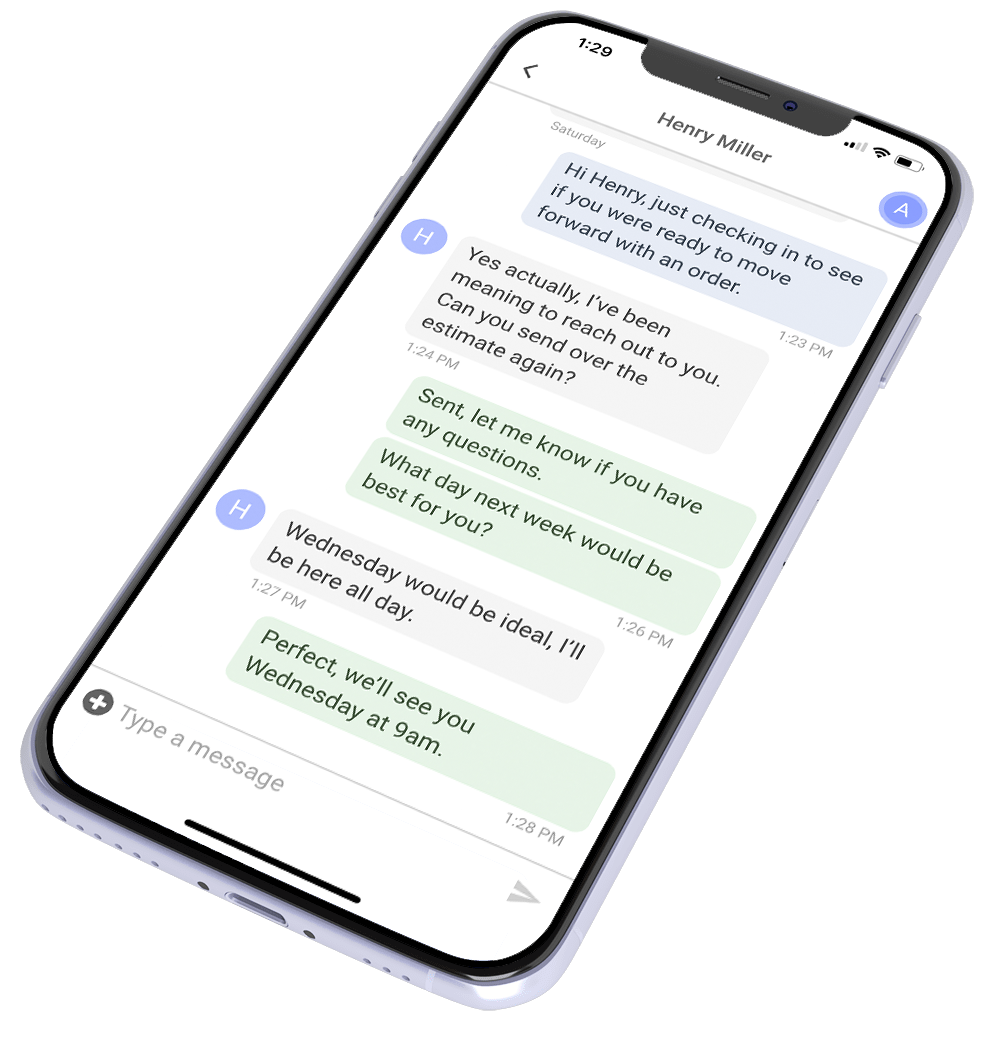
Contact leads immediately. A combination of phone, email, and text within the first few minutes can make the difference between winning or losing the job.
- Regular Job Updates
Provide updates at key milestones, such as inspection scheduled, materials delivered, crew arrival, and project completion. This builds trust and reassures homeowners.
- Centralized Crew Communication
Field crews and office staff should share notes, photos, and instructions in one system. ProLine keeps all communications in one place, reducing confusion and mistakes on the job site.
Implement Robust Inspection and Documentation
Accurate inspections protect your business and improve operational efficiency. Incomplete documentation can cause delays, insurance claim issues, and homeowner dissatisfaction. A standardized inspection process might include:
- Walking the perimeter and capturing photos
- Documenting all slopes, penetrations, and flashing
- Inspecting gutters for granule loss
- Checking attic conditions for moisture and ventilation
Storing this information in a CRM ensures quick access for your staff. Proper documentation accelerates approvals, prevents disputes, and enhances homeowner confidence.
Schedule With Precision
Scheduling is more than assigning dates; it’s a strategic process. Reactive scheduling causes delays, idle crews, and frustrated customers. Effective scheduling includes:
- Tracking crew availability in real time
- Building in buffers for weather and material delays
- Grouping jobs geographically to minimize travel
- Coordinating deliveries to ensure materials are on-site when needed
Using a CRM to manage scheduling allows for real-time updates, prevents double bookings, and ensures that your operations run smoothly even during busy seasons.
Track Performance Using Key Metrics
Data-driven decision-making is essential for streamlining operations. Tracking performance metrics allows you to identify bottlenecks, optimize workflows, check the efficacy of marketing strategies, and increase profitability. Key metrics include:
- Lead conversion rates
- Average time from lead to project start
- Job completion times
- Response times for follow-ups
- Revenue per job
ProLine’s dashboards provide actionable insights into these metrics, allowing you to continuously refine operations and maintain high efficiency.
Standardize Job Close-Out and Follow-Ups
Closing a job isn’t just about finishing the installation. It’s about delivering a complete experience that protects your business and builds long-term relationships. Best practices include:
- Final inspection and documentation
- Homeowner walkthrough and education
- Warranty delivery and explanation
- Automated follow-ups and review requests
Prioritize Safety in Operations
Safety is critical not only for crew protection but for maintaining operational efficiency as well. OSHA reports that falls are the leading cause of roofing injuries and fatalities. Injuries can stall projects, increase insurance costs, and damage your reputation. As surveys tell us that modern roofers prioritize recycling and long-life materials, effective safety protocols must include:
- Daily pre-job safety briefings
- Regular PPE checks and compliance
- Equipment inspections before each job
- Hazard identification and mitigation plans
- Clear emergency procedures
Enhance Customer Experience
Operational efficiency is meaningless if homeowners aren’t satisfied. Customer experience is now a key differentiator in roofing. We recommend that you focus on:
- Clear expectations upfront regarding timelines and costs
- Timely communication about changes or delays
- Simplified contracts and invoices
- Automated review requests and referrals

Streamline Your Operations with ProLine
Streamlining roofing operations is about creating repeatable systems, defining roles, centralizing communication, scheduling efficiently, documenting inspections, tracking performance, and also prioritizing customer experience. You also have to utilize the best advertising methods to boost your roofing company’s profile.
Companies that implement these practices consistently sell more jobs, reduce operational chaos, protect margins, and ensure their teams can make it home for dinner.
A communication-first CRM like ProLine ties all these practices together. Centralizing leads, job progress, crew updates, and follow-ups allows roofing companies to operate efficiently, scale confidently, and deliver exceptional service to homeowners.
Book a demo with ProLine today and see firsthand how it can transform your roofing operations, boost efficiency, and give your crew the confidence to finish strong and make it home for dinner.
FAQs | Best Roofing Practices
What are the most effective ways to streamline roofing operations?
Streamlining involves standardizing workflows, defining roles, centralizing communication, documenting inspections, scheduling efficiently, and prioritizing customer experience.
How can a CRM improve my roofing business?
A CRM like ProLine centralizes leads, communication, job progress, and documentation, reduces errors, improves response times, and ensures nothing falls through the cracks.
Why is documentation so important in roofing operations?
Accurate documentation protects against disputes, speeds up insurance approvals, reduces rework, and builds homeowner trust.
How should roofing crews be scheduled efficiently?
Track availability in real time, group jobs geographically, plan for weather delays, and coordinate materials deliveries to minimize idle time.
What role does customer experience play in operational efficiency?
A great customer experience builds trust, referrals, and repeat business. Consistent communication and timely updates make your operations appear professional and reliable.
How can safety improve efficiency?
Proper safety protocols reduce injuries that cause delays, protect crew productivity, and ensure projects stay on schedule, avoiding costly downtime.