Most roofing business cards get handed out once and forgotten forever.
That is not a design problem. It is a conversion problem.
If you want phones to ring, you have to design roofing business cards with one goal in mind. Make it easy. Make it memorable. Make it obvious what to do next.
Homeowners do not keep cards because they look nice. They keep them because the card feels like the right call later, when three estimates are sitting on the table and someone has to choose.
This article breaks down how to design roofing business cards that actually generate calls, not compliments. No trends. Just the small design choices that quietly push people to pick up the phone.
The Five-Second Rule Your Business Card Must Pass
Your business card does not get studied. It gets glanced at, usually in a messy kitchen. Or a truck cab. Or five days later when three estimates are stacked on the counter and someone finally decides who to call.
If a homeowner cannot understand your card in five seconds, the phone stays silent.
In those five seconds, only a few things matter:
- Who are you
- What do you do
- How do I contact you
That is it.
Anything that slows that moment down creates hesitation. And hesitation kills calls.
Tiny fonts.
Overcrowded layouts.
Clever taglines that explain nothing.
Each one forces the homeowner to think. Thinking feels like work. When choosing between contractors, people avoid work. A card that passes the five-second rule feels effortless. The eyes land where they should. The phone number is obvious. The decision feels easy.
And when the decision feels easy, people call.
The Psychology That Turns a Business Card Into a Phone Call
Most roofers think calls come from design looking good.
Calls actually come from design feeling easy.
Homeowners do not look at your card when they are calm and curious. They look at it when they are overwhelmed, distracted, or stressed. That context changes everything. The sections below are not about style. They are about removing friction at the exact moment someone decides whether to call you or move on.
Lead With the Phone Number, Not the Logo
Most roofing business cards hide the most important element on the card. The phone number.
It gets pushed into a corner. Shrunk to make room for a logo. Treated like an afterthought.
That is backwards.
When someone reaches for your card, they are not admiring branding. They are looking for a way to act. The phone number should be the easiest thing to find, not the hardest.
What works better:
- Phone number near the center or top third
- Larger type than your tagline
- High contrast against the background
Your logo builds recognition over time. Your phone number creates action now.

Design Roofing Business Cards for Stressful Moments
Homeowners rarely pull out your card at a calm desk with perfect lighting.
They look at it:
- After a storm
- While juggling estimates
- When something starts leaking
- When decision fatigue is already high
In those moments, aesthetics matter less than clarity.
Busy layouts feel overwhelming. Decorative elements feel distracting. Clean design feels relieving.
Your card should feel like a solution, not another thing to process.
One Reason to Call Beats Five Reasons to Remember You
Most cards try to explain everything. Services. Experience. Values. Awards.
That does not generate calls.
People call when there is one clear reason to do so. A simple trigger that removes hesitation.
“Free inspection” works because it lowers risk.
“Call for estimate” feels generic and optional.
One reason to act beats five reasons to remember you. Especially in high-stress decisions like roofing.
This is not about being clever. It is about being obvious.
How Layout and Spacing Nudge People to Pick Up the Phone
Here’s a demonstration of the power of empty space from Merchant North.
“A museum recently rebuilt its modern art section. The curator placed each artwork on its own wall segment with substantial surrounding space. Visitor engagement doubled. Dwell time per piece increased by 45%. Gift shop sales of featured art reproductions rose by 25%.
The curator hadn’t changed the art—only the space around it.”
The same principle applies to business cards.
White space makes information feel important. It guides the eye. It reduces mental load. Clutter creates friction even when people cannot explain why.
Cards with breathing room feel premium. Cards packed edge to edge feel cheap and urgent.
Why Professionalism Matters More Than Creativity
Homeowners do not associate creativity with roofing. They associate reliability.
This is why boring often converts better.
Clean fonts. Simple layouts. Predictable structure. These signal stability and experience. Flashy design signals risk.
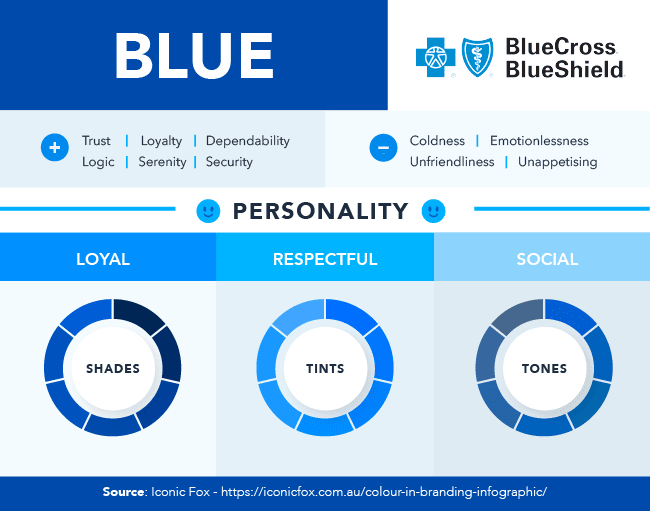
Color plays a role here too. Overall, blue is the most popular color. In a study conducted by Joe Hallock, 42% of people said blue was their favorite color. Blue consistently signals trust, reliability, and calm. Exactly what homeowners want when choosing a roofer.
Creative design can win awards. Professional design wins calls.
And that matters more than saving money on dirt cheap roofer marketing that looks clever but does nothing.
When your card reduces friction, clarifies the next step, and feels trustworthy under pressure, the phone rings. That is the real job of design.
Door-to-Door vs Retail: Two Card Strategies That Work
The same business card does not work in every situation.
Where the conversation starts changes how the card should finish it.
Door-to-door and retail roofing live in two completely different moments, and your card needs to match the mindset of the homeowner standing in front of you.
Door-to-Door
In door-to-door roofing, the card is not an introduction. It is a reminder.
The homeowner already met you. They heard your story. They felt your confidence. Your card’s job is to support the perfect roofing sales pitch you just delivered, not repeat it.
What works door-to-door:
- Your name and phone number dominate the card
- One clear reason to call later, like a free inspection
- Clean, calm design that feels reassuring
Door-to-door cards should feel personal. Less corporate. More human. When they pull it out later, it should trigger recognition, not explanation.
Retail
Retail is the opposite.
Here, the card often comes before the conversation. It sits with two or three others on a counter while the homeowner compares options. They may not remember who handed it to them.
In this case, the card must speak for you.
What works in retail:
- Clear company name and what you do
- Professional branding that signals stability
- Simple layout that feels established, not pushy
Retail cards should feel confident and credible, even without you standing there to explain them.
How to Know If Your Card Is Actually Generating Calls
If the only feedback you have on your card is “it looks nice,” it is not doing its job.
Roofing business cards are not brand trophies. They are sales tools. And sales tools get measured.
The first signal is simple. Are people mentioning the card when they call? “You left your card at my door” or “I found your card on the counter” are not small comments. They are proof the card survived long enough to matter.
Next, watch timing. Calls that come days later, not minutes, often come from cards. That delayed response is exactly where cards earn their keep.
Your reps should track:
- How many cards they hand out per day
- How many calls mention a card specifically
- Which situations produce callbacks and which do not
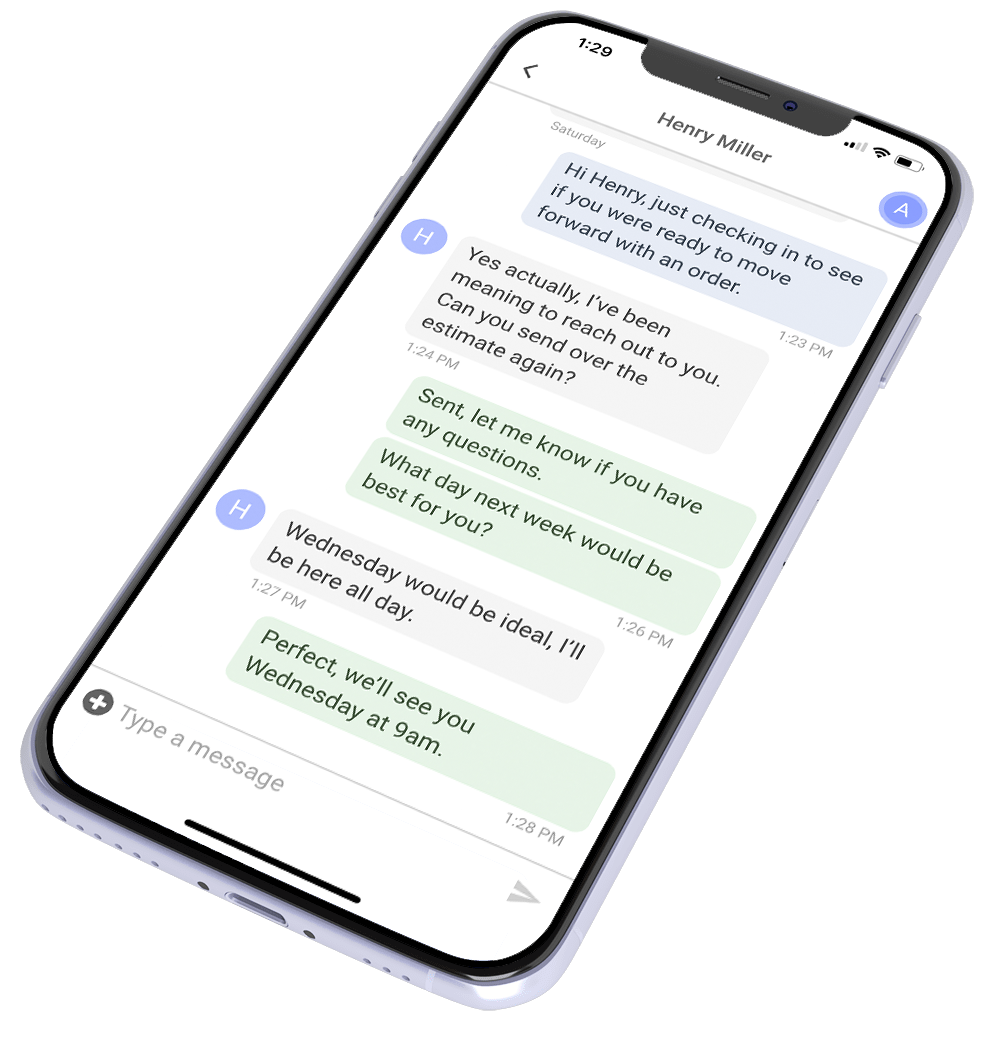
This is where systems matter. With ProLine CRM, reps can log where leads came from, tag door-to-door versus retail, and see what actually converts instead of guessing. When follow-up and attribution live in one place, patterns show up fast.
The final test is brutal but honest. If your reps are handing out cards and nothing ever comes back from them, the design is not working. A card that generates calls leaves a trail. Your job is to notice it.
Design for the Ring, Not the Compliment
A roofing business card does not need applause. It needs action.
If it is clear, calm, and easy to act on, it earns calls when you are not there to sell. If it looks good but creates hesitation, it quietly dies on a countertop. That difference is not about taste. It is about psychology, timing, and removing friction when homeowners are ready to choose.
But cards only open the door. What happens next decides the job.
With ProLine, every call, follow-up, and conversation lives in one place. No lost leads. No guessing who called from where. Just a clean, communication-first CRM that helps you sell more jobs and still make it home for dinner.
If your card is doing its part, make sure your system is too.
Book a ProLine demo and turn more first impressions into signed work.
FAQs
Do roofing business cards still generate calls in 2026?
Yes, especially in roofing. Homeowners still rely on physical reminders when comparing contractors. A clear, professional card often becomes the tie-breaker days after the conversation ends.
What is the most important element on a roofing business card?
The phone number. If it is not immediately obvious and easy to read, the card is failing no matter how good the design looks.
Should roofers use QR codes or stick to phone numbers?
Phone numbers should always come first. QR codes work as a secondary option when they lead somewhere useful, like reviews or recent projects, not a generic homepage.
How many business cards should a roofing sales rep carry?
Enough to never hesitate handing one out. Most high-performing reps carry at least 100 at all times and restock weekly.
How long should I test a new card design before changing it?
At least a month or one full sales cycle. Track mentions, delayed calls, and follow-up outcomes so decisions are based on results, not opinions.