
A roofing sales presentation is not just a chance to show a homeowner your estimate. It is your opportunity to explain what they are dealing with, why it matters, and why your company is the right choice to solve the problem.
Many roofing salespeople focus too heavily on price, materials, and closing techniques. But homeowners are rarely choosing a roofer based on a number alone. They are making a decision based on trust, confidence, and whether they believe the contractor will deliver what they promised.
A strong roofing sales presentation helps homeowners understand the condition of their roof, see the value behind your recommendation, and feel confident moving forward. From inspection photos to project updates and digital signing, every step of the presentation should make the buying decision easier. If you want to bag the best roofing leads, follow this advice.
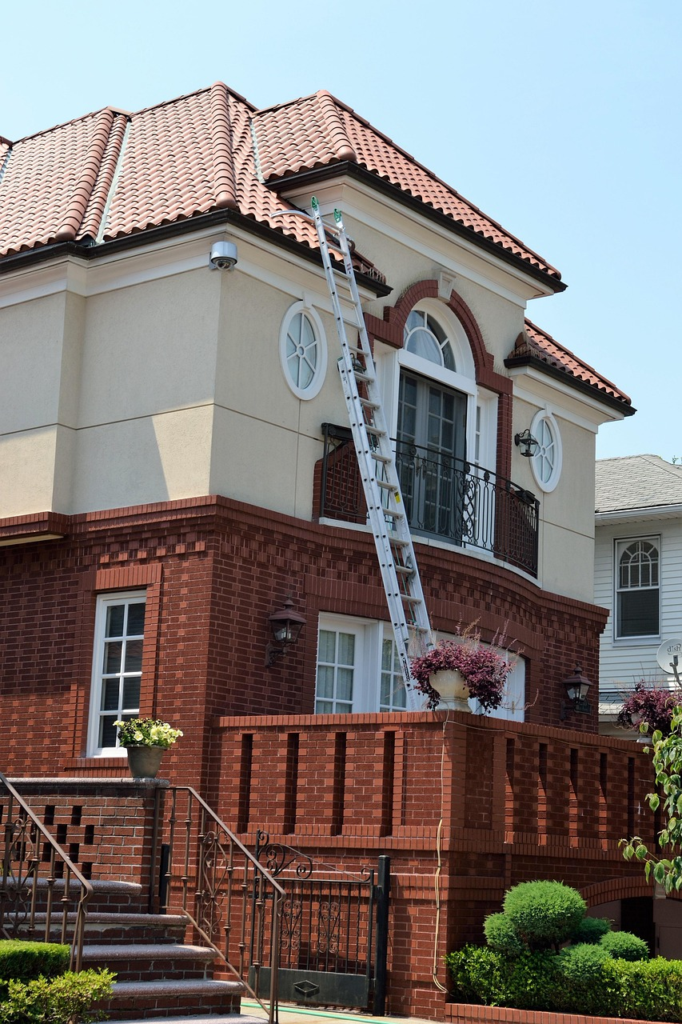
Start With the Inspection, Not the Estimate
One of the biggest mistakes roofing companies make is presenting the price before creating enough understanding. Homeowners do not wake up wanting to buy a roof. They are usually responding to a problem, whether that is storm damage, leaks, aging materials, or concerns about the condition of their home.
Before discussing cost, help the homeowner understand what you found. Your inspection should answer:
- What condition is the roof currently in?
- What damage or issues were identified?
- What could happen if the problem is ignored?
- What options does the homeowner have?
The goal is education. When homeowners understand the problem, they are less likely to view your recommendation as just another expense. They begin to see the project as a solution to a real need. And that’s when you realize that roofing sales are really worth all the effort!
Use Photos to Make the Problem Visible
Roofing has one major sales challenge: homeowners usually cannot see the product they are buying. A homeowner can walk into a store and inspect a car before purchasing it. They can touch furniture, test electronics, or compare clothing. A roof is different. Most of the important details are above their heads.
That is why inspection photos are so valuable. Photos turn an invisible problem into something concrete. Instead of simply telling a homeowner that shingles are damaged or flashing needs attention, you can show them exactly what you found. A strong presentation should use photos to explain:
- Areas of storm impact
- Damaged roofing components
- Signs of aging
- Potential problem areas
- Recommended repairs or replacement needs
The purpose is not to overwhelm the homeowner with damage photos. It is to create clarity. When homeowners understand what they are seeing, they feel more confident about the decision.
Explain the “Why” Behind Your Recommendation
The roofing sales success formula is actually quite simple: Always explain why you recommend something. Many contractors know how to identify roofing problems, but the presentation often falls short because they do not explain why the recommendation matters. A homeowner does not just need to know that a roof has damage. They need to understand the impact.
For example, instead of saying: “Your roof needs to be replaced.” Explain: “We found areas where the shingles are no longer protecting the roof system properly. If moisture continues getting underneath these areas, it can eventually create larger problems inside the home.”
The second explanation creates context. This is where roofing companies can increase perceived value. The homeowner is not just paying for materials and labor. They are paying for protection, expertise, and confidence that the project will be handled correctly.
Present Your Company Before Presenting Your Price
Many sales presentations jump straight into the estimate. That creates a problem because the homeowner sees a number before they understand the value behind it. Before presenting price, explain why your company is different.
This does not mean giving a long company history. Homeowners do not need a ten-minute speech about how long you have been in business. Focus on the things that matter to them:
- How you communicate throughout the project
- How you handle questions and concerns
- How your team manages the installation process
- What they can expect after signing
Communication is one of the strongest trust signals in roofing because homeowners are often working with a contractor they have never met before.
A company that communicates clearly creates confidence before the project even starts.
Follow a Simple Roofing Sales Presentation Structure
A strong presentation does not need to be complicated. It needs to follow a logical order that helps the homeowner make a decision. A practical structure that lets you win high-competition neighborhoods typically looks like this:
1. Confirm the Homeowner’s Concerns
Start by asking questions. Find out what they already know, what they are worried about, and what they want from a contractor.
2. Review the Inspection Findings
Walk through the photos and explain what you discovered. Avoid technical language unless you explain it clearly.
3. Explain the Recommended Solution
Show the homeowner what needs to happen and why. Help them understand the difference between fixing symptoms and addressing the actual issue.
4. Present the Investment
Once the homeowner understands the problem and solution, the price has context.
5. Explain the Next Steps
Make the process simple. Tell them what happens after approval, how scheduling works, and how communication will continue.
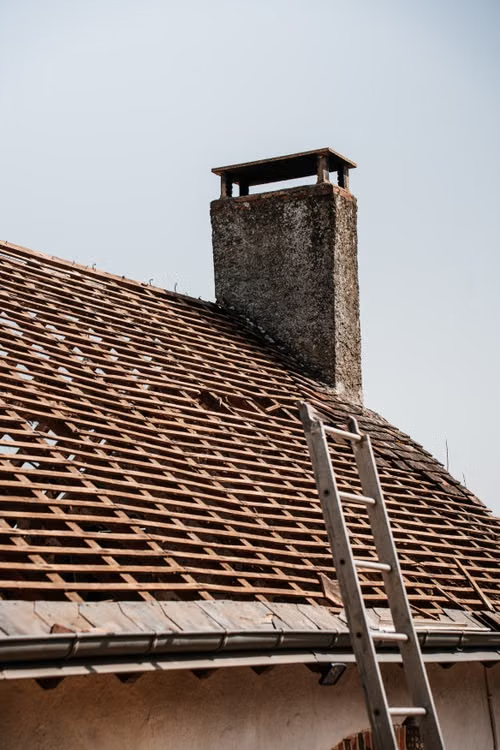
Avoid Turning the Presentation Into a Technical Lecture
Roofing salespeople are often passionate about the details of their work. That is a strength, but it can also create problems during presentations. Homeowners do not need every technical detail about roofing systems. They need to understand enough to make a confident decision.
The best salespeople translate technical information into homeowner benefits. Instead of saying: “The underlayment has failed due to prolonged moisture exposure.” Explain: “The layer underneath your shingles helps protect your home from water. Based on what we found, that protection is no longer working the way it should.”
The homeowner does not need to become a roofing expert. They need to trust that you are one.
Make Project Updates Part of the Sales Process
A strong roofing presentation does not end when the contract is signed. The homeowner experience after the sale affects reviews, referrals, and future reputation.
This is especially important because roofing is largely a one-time transaction. Most homeowners will not buy another roof from you for many years. Your reputation and referrals become critical sources of future business. Project updates should include:
- Scheduling information
- Material updates
- Weather delays
- Installation progress
- Final walkthrough details
Keeping homeowners informed reinforces the trust created during the sales presentation.
Use Digital Signing to Remove Friction
Once a homeowner decides to move forward, the next step should be simple. A complicated contract process can create unnecessary hesitation. Digital signing helps homeowners review documents, ask questions, and complete agreements without unnecessary delays. The key is making sure the convenience does not replace communication.
A homeowner should never feel like they are simply clicking a button and being moved into a project. The signing process should feel like the natural next step after a clear, educational conversation.
Use a CRM to Keep the Entire Sales Process Connected
A roofing sales presentation is only one part of the customer journey. Between the first inspection, the presentation, the contract, and the installation, there are dozens of communication points that can affect whether a homeowner stays confident. Without a system, important details can get lost. Sales teams need visibility into:
- Inspection results
- Homeowner conversations
- Follow-up tasks
- Contract status
- Project updates
This is where a communication-first CRM becomes valuable. ProLine helps roofing companies organize homeowner relationships from the first conversation through project completion. Instead of treating communication as an afterthought, the system helps contractors build stronger relationships that lead to more closed jobs. Communication creates trust. Trust creates confidence. Confidence helps homeowners choose your company.
Common Roofing Sales Presentation Mistakes
- Presenting Price Too Early
If homeowners see the estimate before understanding the value, they may compare contractors only by price.
- Using Too Much Technical Language
A homeowner does not need every roofing term explained. They need clarity.
- Showing Damage Without Explaining It
Photos are powerful, but only when the homeowner understands what they mean.
- Forgetting the Follow-Up
A good presentation can still fail without consistent communication afterward.
- Making the Process Complicated
The easier you make the decision process, the more comfortable homeowners become.
Make Your Presentations Memorable and Convincing!
A winning roofing sales presentation is not about using pressure to force a decision. It is about helping homeowners understand their situation and feel confident choosing your company.
The contractors who consistently close more jobs are the ones who create value before asking for the sale. They educate homeowners, communicate clearly, and make the entire process easier. ProLine helps roofing companies build that communication process with a CRM designed to help contractors sell more jobs, strengthen homeowner relationships, and make it home for dinner.
FAQs
What should be included in a roofing sales presentation?
A strong roofing sales presentation should include inspection findings, photos, recommended solutions, pricing, company information, and clear next steps.
How do photos improve roofing sales presentations?
Photos help homeowners understand problems they cannot see from the ground. They make your recommendations easier to understand and increase confidence in the decision.
Should roofing salespeople present price before or after inspection findings?
Price should usually come after the homeowner understands the problem and recommended solution. Context helps homeowners see the value behind the investment.
How can roofing companies make presentations more effective?
Companies can improve presentations by focusing on homeowner education, using clear visuals, communicating consistently, and creating a simple decision process.