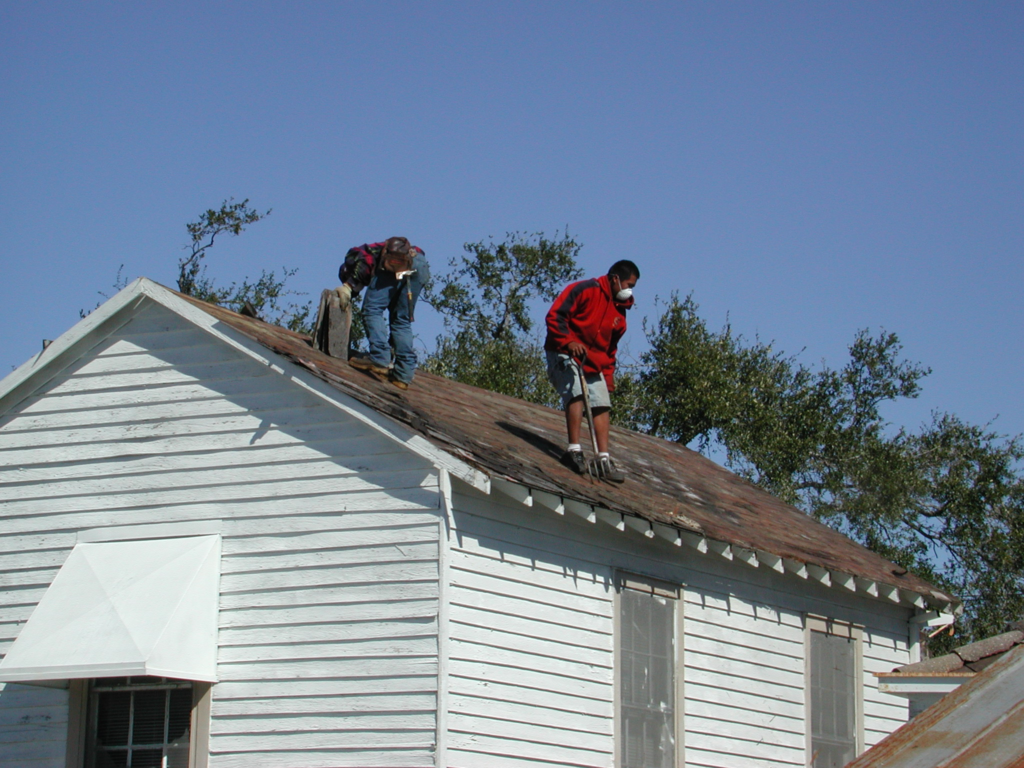
Many roofers think there’s some sort of roofing sales success formula to be successful in this industry… and they’re right. There’s a secret sauce that can make you a sales cheetah.
If you’ve ever tried to close roofing jobs consistently, you know it’s harder than just swinging hammers on a sunny day. Success in roofing sales isn’t about luck, charm, or “winging it.” It’s about having a repeatable process that combines communication, follow-up, documentation, and strategy to convert leads into signed contracts week after week.
In 2026, the roofing industry is more competitive than ever; there are over 100,000 roofing contractors nationwide, and homeowners now expect faster, clearer communication, accurate estimates, and professional documentation before they even let you step on their roof.
That’s why understanding the roofing sales success formula is essential if you want to grow your business, close more jobs, and make it home for dinner every day.
Why Roofing Sales Reps Fail
Even seasoned roofers sometimes struggle to close jobs consistently, and it’s rarely about roofing skill. Most sales failures happen because the process isn’t tight, the communication is messy, or key steps are skipped. If you’ve ever lost a lead and wondered what went wrong, these are the usual culprits:
- Missed follow-ups: Leads go cold quickly if you don’t respond promptly or keep a clear schedule.
- Unclear communication: Homeowners often feel confused when roofing terms or pricing aren’t explained plainly.
- Incomplete documentation: Inspections, estimates, and photo records that aren’t organized can cost credibility and jobs.
- Inconsistent pricing or untracked costs: Without a reliable system, you risk quoting too high or too low, cutting into profit, or losing the sale.
- Relying on memory: Notes scattered across texts, sticky notes, or spreadsheets make it easy to forget a step or miss a deadline.
The good news is that consistent roofing sales aren’t luck; they’re repeatable. There’s a system to it. We’ll walk you through 10 proven steps to unlock roofing sales success, helping you close more jobs, streamline your process, and make it home for dinner without the chaos.
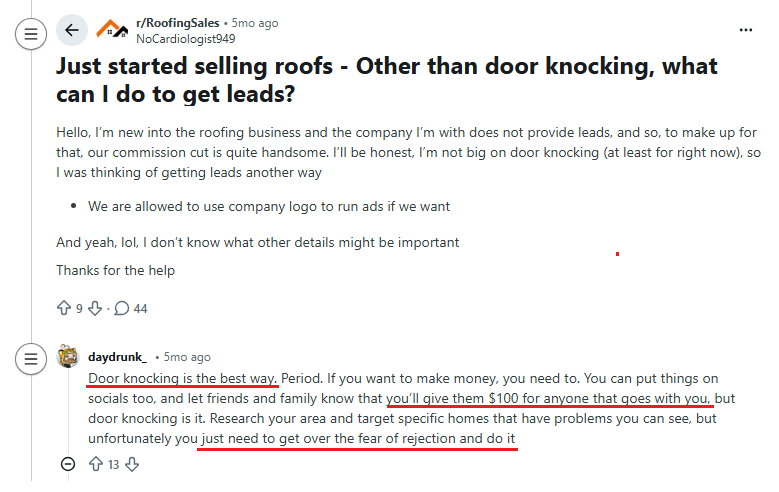
Pro tip: You should dominate door-to-door sales if you wish to become a salesperson worth their commission rate! After all, it’s a much-beloved North American symbol.
Step 1: Understand Your Lead Flow
The first move toward consistent closures is understanding how your leads move through your business. Many roofing companies fail not because their crews aren’t skilled but because leads get lost, follow-ups are missed, and homeowners feel ignored. To succeed, you need a documented lead flow that answers these questions:
- How does a lead enter your business?
- Who contacts the homeowner first?
- What’s the timeline for follow-up?
- How do you assign the job to a crew?
Step 2: Master the Inspection Process
Homeowners hire roofers for confidence, not credentials. They want someone who can identify issues and provide a solution without overcomplicating the conversation. Thus, a structured inspection process is your first chance to build trust. Here’s what it should look like:
- Walk the perimeter and document visible damage.
- Photograph each slope, vent, and penetration.
- Check flashing, gutters, and soffits for signs of wear.
- Inspect the attic for moisture or structural issues.
- Summarize findings in a clear, homeowner-friendly report.
Pro tip: Instead of explaining shingle grades or decking specs, show homeowners why their roof isn’t performing properly. Plain language wins more contracts than jargon-filled lectures.
Experts recommend against using jargon because it just overcomplicates things, and you end up being seen as a know-it-all instead of actually smart; remember, homeowners don’t want you to be smarter than them. They don’t want to lose to you in the battle of wits and knowledge.
Step 3: Present Estimates Clearly
An estimate isn’t just a number. It’s a representation of your professionalism and the value you provide. A sloppy or confusing estimate can turn a warm lead cold faster than a sudden thunderstorm. Here’s how to make estimates work for you:
- Break down costs clearly: labor, materials, permits, and any contingencies.
- Include images from your inspection to show problem areas.
- Provide realistic timelines and set expectations for weather delays or supply issues.
- Offer multiple options when appropriate, such as standard vs. premium shingles, without overwhelming the homeowner.
Homeowners in 2026 rely on documentation and transparency more than ever. ProLine’s CRM can generate estimates directly from your inspection data, keeping the entire process organized and professional. A refined pitch always wins!
Step 4: Follow Up Relentlessly, But Professionally
Statistics show that 80% of sales require five follow-ups to close. Most roofing contractors give up after one or two calls. That’s why consistent follow-up is your competitive advantage. A few best practices:
- Contact homeowners within 24 hours after the inspection.
- Schedule reminders for follow-up calls, texts, or emails.
- Use a CRM to automate messages without sounding robotic.
- Reference inspection photos or specific roof issues to keep the conversation relevant.
Step 5: Handle Objections Strategically
You should ditch the habits that make you look like a pushy salesperson, one of which is not responding fairly to hesitant prospects. Objections aren’t roadblocks; you should treat them like opportunities to build credibility. Common objections in roofing sales include:
- “Your estimate is higher than another roofer.”
- “I want to think about it.”
- “Do I really need that warranty or premium shingle?”
Instead of arguing, listen carefully. Repeat the concern back in your own words to show understanding. Then respond with facts and examples.
For instance, you should say something resembling this one: “Many homeowners we’ve worked with initially compared prices and chose a lower bidder, only to pay for repairs later. Lucky for you, our solutions are designed to last, backed by warranties and inspection documentation.”
Step 6: Leverage Referrals and Reviews
Once a job is done, your focus shouldn’t stop at payment. Repeat business and referrals are the lifeblood of consistent closures. Ask satisfied homeowners for:
- Reviews on Google or Yelp.
- Referrals to friends, neighbors, or realtors.
- Permission to showcase their project on your website or social media.
Homeowners are more likely to refer to contractors who are organized, communicative, and transparent. Also, using ProLine’s CRM, you can track completed jobs and automatically send post-job review requests, keeping your pipeline full without extra effort.
Step 7: Optimize Your Pricing and Offers
Pricing is one of the most common reasons roofers lose deals. Your price needs to reflect the quality, speed, and professionalism you provide.
- Track material costs, labor hours, and overhead.
- Adjust pricing for specialty services like metal roofing or solar-ready installations.
- Offer seasonal promotions or bundled services strategically.
ProLine reporting tools make it easy to analyze closed jobs versus lost opportunities, allowing you to refine pricing without guesswork. This ensures your business remains profitable while remaining competitive. You should also come up with a decent, foolproof strategy to divide and structure your roofing commission.
Step 8: Use Technology to Stay Ahead
The most successful roofing sales teams in 2026 are tech-savvy. Technology helps your crew focus on installations while you focus on closing jobs.
- CRM systems like ProLine centralize leads, inspections, photos, follow-ups, and payments.
- Measurement apps like EagleView or Hover provide accurate roof dimensions and 3D models.
- Communication tools keep field crews, office staff, and homeowners aligned.
Using the right software reduces errors, builds homeowner confidence, and frees up time for you to sell more jobs instead of managing chaos.
Step 9: Train Your Sales Team
Even if you’re the owner, scaling means having a team that can replicate your success. Proper training ensures every salesperson follows your proven formula.
- Teach them how to inspect roofs, present estimates, and handle objections professionally.
- Implement a consistent follow-up cadence.
- Monitor performance and provide coaching based on CRM data.
A trained team doesn’t just increase closures; it protects your reputation. As one industry expert notes, “A consistent process beats talent when it comes to predictable sales success.”
Step 10: Measure, Adjust, Repeat
Sales success isn’t static. Your formula needs constant refinement:
- Track your close rates, lead response times, and average job value.
- Review lost jobs to understand why they didn’t close.
- Adjust inspection methods, follow-up timing, or messaging based on results.
ProLine’s reporting tools give you insights into every step of the sales cycle. With these metrics, you can make informed decisions that improve your closure rate month after month.
Don’t forget that a good closing rate is between 30% and 40% in roofing, though some say you should aim higher.
Build a Roofing Sales Machine That Works
Consistent closures aren’t about luck or smooth talk. They’re about systems, clarity, and reliability. By following this roofing sales success formula, you create a process that impresses homeowners, supports your crew, and positions your company to grow profitably.
When you combine structured inspections, clear estimates, relentless follow-up, technology, and ongoing training, you’re no longer chasing leads; you’re converting them consistently.
And with a CRM like ProLine, all your leads, inspections, messages, and follow-ups are in one place, so your business runs smoothly, and you actually make it home for dinner.
FAQs | Roofing Sales Success Formula
How long does it take to consistently close roofing jobs?
With a structured process and proper tools, many roofers see a noticeable improvement in their closing ratio within 3 to 6 months. Early wins often come from refining inspections, follow-up cadence, and estimate clarity.
Do I need experience on the roof to sell roofing services?
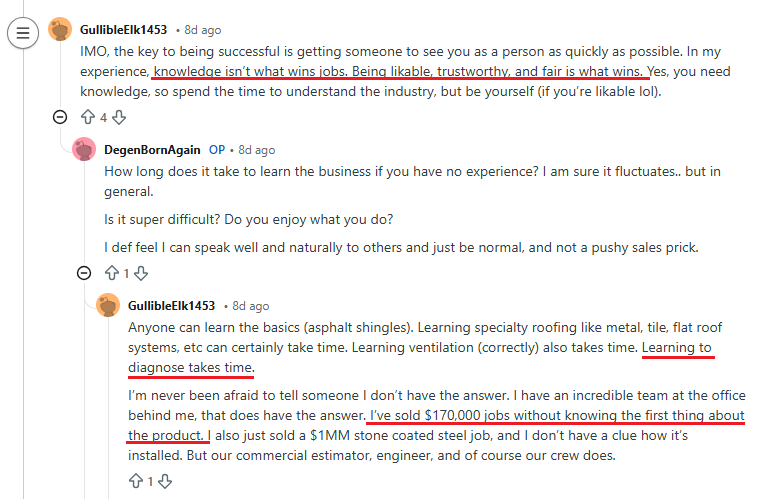
No, selling roofing is more about trust, communication, and clarity than hands-on experience. Your ability to explain issues, document them effectively, and follow up professionally drives more sales than technical knowledge alone.
How do I handle homeowners comparing prices with other contractors?
You should focus on value, not price. Use inspection photos, documentation, and warranties to demonstrate why your solution is worth the cost. Showing long-term benefits often outweighs the cheapest option.
What tools can help me close more jobs?
A CRM like ProLine centralizes leads, inspections, follow-ups, and reporting. Measurement apps like EagleView or Hover ensure accurate quotes, while communication tools keep crews and homeowners aligned.
Can small roofing crews apply this sales formula?
Yes, even a single-owner operation can benefit from structured inspections, clear estimates, and automated follow-ups. Scaling the process comes later, but the principles apply to businesses of any size.