
Negotiating roof insurance supplements is a challenging aspect of running a successful roofing business. But it’s also one of the most critical roof insurance supplement services.
The process can feel like walking a tightrope, especially when it comes to following up with desk adjusters who handle multiple claims remotely and rely entirely on the information you provide.
Every contractor quickly learns that proper documentation, clear communication, and consistent follow-up aren’t just helpful; they’re absolutely essential to maximizing payouts on supplement claims. A single missing photo, unclear note, or delayed follow-up can result in frustration, denials, or reduced compensation, even when the additional work is clearly justified.
If you’ve ever experienced a supplement being delayed or outright denied, you know just how disruptive it can be to cash flow, scheduling, and overall business efficiency. It can slow down project completion, create tension with homeowners, and add stupid administrative headaches. That’s how you make sure your revenue doesn’t stall in this economy.
Why Supplements Matter for Roofers
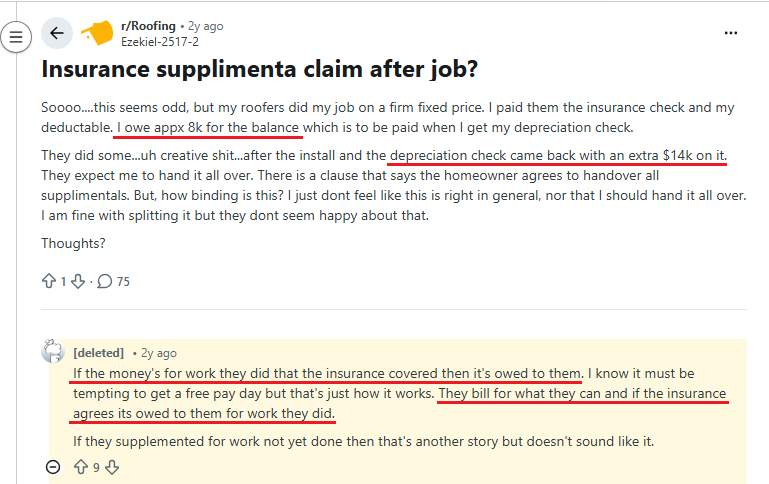
Roof insurance supplements can significantly impact your bottom line. Surveys show that contractors who handle supplements efficiently often see a decent increase in revenue per job. This isn’t just extra money; it’s the difference between staying profitable and struggling with rising material costs and labor expenses.
Software like SuppTrax and services like Contractor Supplement Solutions help streamline this process by keeping all documentation organized and ensuring nothing falls through the cracks.
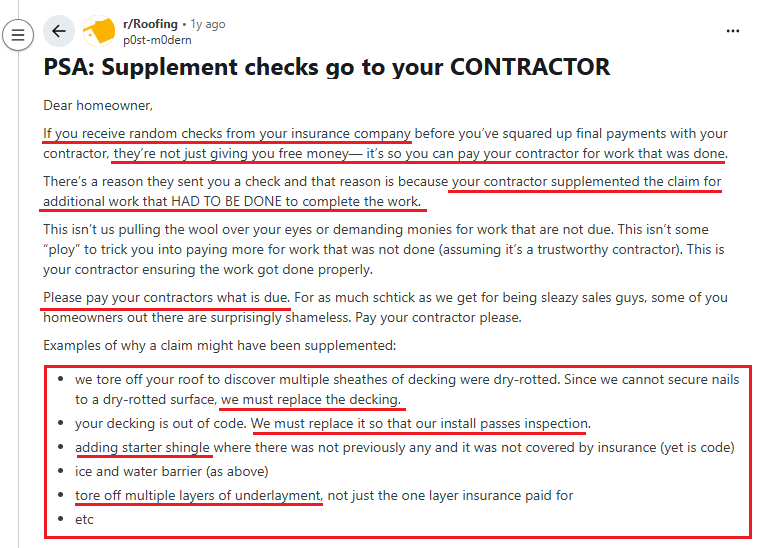
Supplements are the claims filed for additional work not initially covered in the original insurance estimate. These can include things like upgraded shingles, hidden damage, or structural repairs that weren’t obvious during the initial inspection. The key to winning these supplements is timing, communication, and accuracy.
Understanding Desk Adjusters
Desk adjusters are insurance representatives who review claims remotely, handling everything from their office rather than visiting the property in person.
They often manage dozens, sometimes even hundreds, of claims each day. Because they don’t physically inspect the homes, they rely almost entirely on the documentation, photos, measurements, and detailed narratives provided by contractors and field adjusters to make their decisions.
This means that every piece of evidence you submit must be clear, organized, and persuasive. A blurry photo or a missing detail can delay approvals… or even result in a denial.
What Makes Adjusters Different From Field Agents
Unlike field adjusters who can see the roof conditions with their own eyes, desk adjusters form their judgments solely from the information you present. They don’t have the context of walking the property, noticing subtle damage, or hearing firsthand from the homeowner. In essence, you are their eyes and ears.
Your goal is to provide a complete, professional story that leaves no room for doubt.
Approaching desk adjusters strategically is critical for maximizing insurance supplement approvals. Every interaction should be structured, professional, and concise. It’s not just about presenting numbers; it’s about clearly communicating the scope of work, why additional compensation is warranted, and how it aligns with the original policy coverage.
Step 1: Gather Complete Documentation
The foundation of any successful supplement negotiation is thorough documentation. This includes:
- Date-stamped photos of the damage
- Detailed notes on hidden issues discovered during teardown
- Measurements and material specifications
- References to insurance policy language supporting your claim
Using tools like SuppTrax allows contractors to organize all documentation digitally, making it easy to send clear, concise, and complete supplement packages. The easier you make it for the desk adjuster to approve your claim, the faster and more likely you are to receive payment.
Step 2: Timing Your Follow-Up
Following up is not just about persistence; it’s about timing. Desk adjusters manage multiple claims and can become bottlenecks if overwhelmed. Industry best practices suggest:
- Sending your initial supplement submission immediately after discovering hidden damage
- Following up within 24–48 hours if no acknowledgment is received
- Scheduling consistent check-ins until the supplement is approved
This strategy keeps your claim top-of-mind without being overbearing. Tools like ProLine can help track your follow-ups, reminders, and responses in one place, ensuring nothing is missed even during busy storm seasons.
Step 3: Presenting Your Case Effectively
Your communication with desk adjusters should be clear, concise, and backed by evidence. Avoid long emails with unnecessary jargon. Focus on the facts:
- Explain what was initially covered in the original claim
- Detail the hidden damage discovered during teardown
- Highlight the cost and necessity of additional materials or labor
Visual aids, such as videos or annotated photos, can be particularly persuasive. Showing the roof damage and needed repairs in a visual format helps adjusters understand the severity and urgency, making approval more likely.
This is where services like Contractor Supplement Solutions come into play, providing structured tools and templates for presenting your supplements professionally.
Step 4: Building Rapport
It might seem counterintuitive, but desk adjusters are people too, and building rapport can go a long way. This doesn’t mean friendship, but professionalism and respect can make a difference:
- Address adjusters by name
- Be courteous and concise in every communication
- Provide clear, organized documentation
- Respect deadlines and respond promptly
When adjusters know you are organized and easy to work with, they are more inclined to approve supplements quickly and without unnecessary back-and-forth.
Step 5: Leveraging Technology
The roofing industry has embraced technology for a reason. Supplement management platforms streamline your workflow, ensure no documentation is missed, and allow for easy tracking. The right tech tools can:
- Organize photo evidence and notes
- Track supplement status in real time
- Automate follow-ups and reminders
- Provide templates for structured communication
Adopting technology doesn’t replace the human element but enhances your ability to stay organized and professional.

Step 6: Understanding Common Desk Adjuster Objections
Adjusters often have standard objections that delay or reduce supplement approval. Knowing these in advance allows you to prepare responses:
“This isn’t covered in the policy.”
Prepare evidence showing it falls under coverage.
“We don’t see this as necessary.”
Show visual proof and contractor notes.
“The cost seems high.”
Provide itemized pricing and compare to industry standards.
Step 7: Negotiation Tactics
Negotiation isn’t about arguing; it’s about persuasion through clarity and documentation. Some tips include:
- Lead with facts and evidence rather than opinions
- Use a neutral, professional tone
- Highlight safety, compliance, and long-term value for the homeowner
- Avoid exaggeration; accuracy is key
By presenting a solid, factual case, you reduce pushback and improve the likelihood of approval.
Step 8: Tracking and Reporting
Keeping detailed records of every supplement submission, follow-up, and response is critical. Not only does this protect you in case of disputes, but it also allows for performance analysis over time. Track metrics such as:
- Number of supplements submitted
- Average approval time
- Success rate per adjuster
- Revenue gained per approved supplement
ProLine can integrate these tracking metrics with your CRM, allowing you to see which team members, regions, or types of supplements perform best.
Step 9: Training Your Team
If you manage a roofing company with multiple salespeople or project managers, consistent training ensures everyone follows the same processes. This reduces errors, improves efficiency, and increases supplement approval rates. Training should include:
- Proper documentation techniques
- Effective communication with desk adjusters
- Objection handling
- Technology usage for tracking and reporting
Consistency across your team leads to smoother operations and stronger relationships with insurance companies.
Step 10: Leveraging Referrals and Reputation
A strong reputation can streamline supplement approvals. When adjusters recognize that your company consistently submits thorough, accurate claims, they trust your submissions more. Encourage satisfied clients to leave positive reviews, maintain clean job documentation, and demonstrate professionalism on every job.
Over time, this builds credibility with both homeowners and insurance carriers.
Conclusion
Negotiating roof insurance supplements and following up with desk adjusters requires organization, strategy, and consistency. From thorough documentation to professional communication and timely follow-ups, every step plays a role in maximizing supplement approvals and revenue.
Roofing contractors who adopt these strategies not only increase their profitability but also build credibility with insurance carriers, clients, and their own teams.
The key is to treat supplement management as a structured process rather than an ad-hoc task. When done correctly, it becomes a predictable revenue source, helping your company thrive even in competitive markets. So, ready to sell more roofing jobs?
FAQs
What is a roof insurance supplement?
A roof insurance supplement is an additional claim filed for work not included in the original insurance estimate, such as hidden damage, upgraded materials, or code-required repairs discovered during the project.
How often should I follow up with desk adjusters?
Follow up within 24 to 48 hours of submitting a supplement, then schedule consistent check-ins until approval. Maintaining organized follow-up schedules helps prevent claims from being lost in the system.
Can technology really help with supplement management?
Yes, software platforms help organize documentation, track statuses, automate reminders, and streamline communication, making the process more efficient and reducing errors.
What’s the best way to handle objections from desk adjusters?
Respond professionally, back your case with evidence, and avoid exaggeration. Address common objections with visual proof, itemized costs, and references to insurance policy coverage to improve your chances of approval.