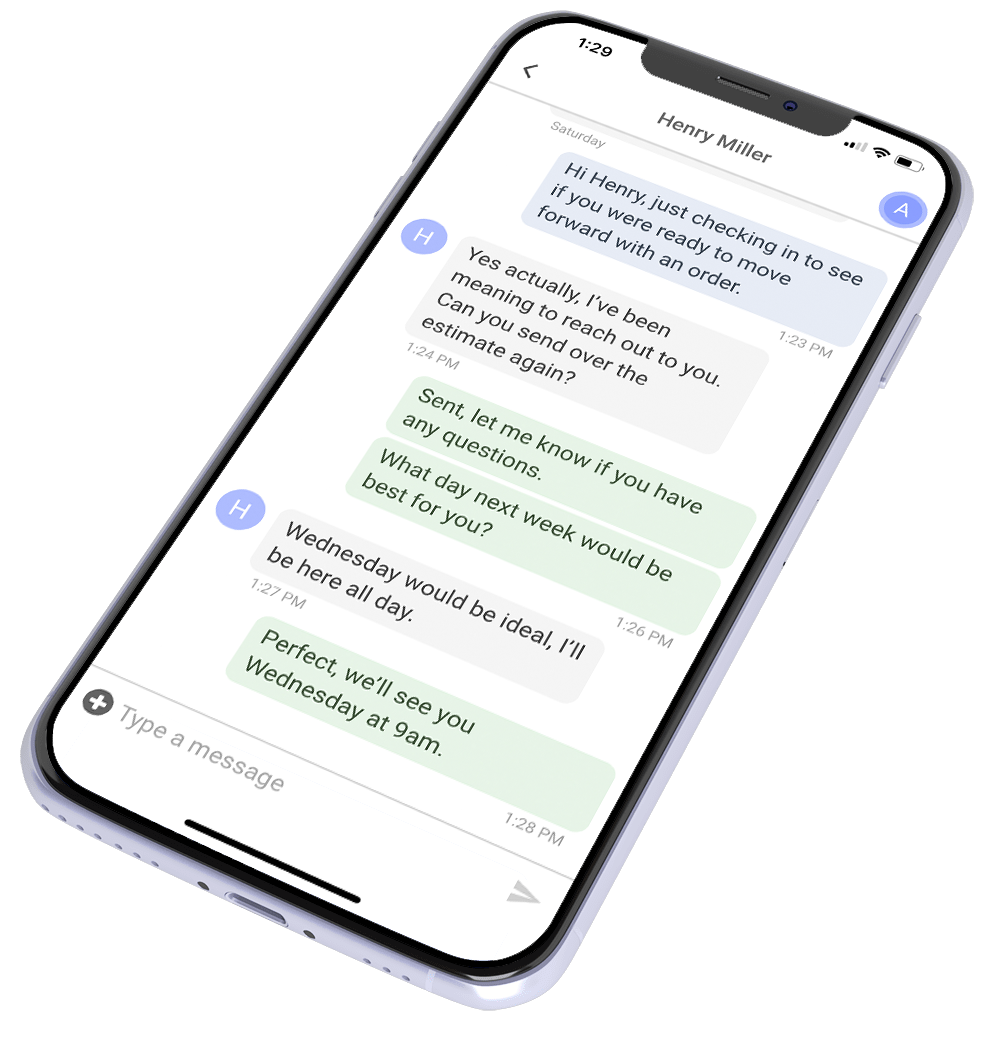
Is your roofing sales pipeline healthy? Most roofing companies do not have a lead problem. At least, not entirely. They have a pipeline problem. A homeowner fills out a form. Someone calls once. An inspection gets completed, but the estimate takes three days. The quote goes out, the homeowner says they need to think about it, and nobody follows up until a sales rep remembers the conversation two weeks later.
That is how good roofing leads disappear. Your roofing sales pipeline should prevent those gaps. It should tell your reps where every opportunity stands, what happens next, and which prospects need attention today. More importantly, it should help you communicate better with homeowners at every stage.
Here is how to optimize your roofing sales pipeline without turning your sales team into full-time CRM administrators.

What Is a Roofing Sales Pipeline?
A roofing sales pipeline is the step-by-step process a prospect follows from initial inquiry to signing a contract. It helps you track sales opportunities and measure how effectively leads become paying customers. A typical pipeline may include:
- New lead
- Contact attempted
- Appointment scheduled
- Inspection completed
- Quote sent
- Follow-up
- Contract signed
- Lost or nurture
The names are not particularly important. What matters is that every stage represents a real change in the homeowner’s buying journey. This is where roofing companies often overcomplicate things. They build 15-stage pipelines to improve reporting, then wonder why reps stop updating the CRM. If a salesperson needs a flowchart to decide where a lead belongs, your pipeline is too complicated.
Keep the process clear. Every stage should answer two questions: where is this homeowner now, and what needs to happen next? A communication-first CRM such as ProLine can connect pipeline stages with calls, texts, emails, quotes, and automated campaigns. The point is not simply to track leads. It is to keep the relationship moving.
1. Map the Sales Process You Actually Use
Before changing your roofing sales pipeline, look at how jobs really close inside your company. Pull ten recently won jobs and trace each one backward. When did the lead come in? How quickly did your rep respond? When was the inspection completed? How long did the estimate take? How many follow-ups happened before the homeowner signed?
You may find that your written sales process and your actual sales process are completely different. For each pipeline stage, define:
- What must happen before a lead enters the stage
- Who owns the opportunity at that point
- What action should happen next
- What moves the lead forward
Take “Quote Sent” as an example. A lead should only enter that stage when the homeowner has actually received the proposal. Once they enter it, the rep should already have a defined follow-up action. That last part matters. A pipeline stage without a next action is usually where revenue starts getting stuck.
ProLine lets roofing companies create automated pipelines, stages, and campaigns around their actual processes. That helps your CRM reinforce the way you sell instead of forcing reps to work around the software.
2. Fix Your Speed-to-Lead Problem First
If new leads sit untouched for hours, start there. There is little value in improving your closing script while qualified prospects are waiting for someone to call them.
A well-known lead-response study found that companies contacting online leads within an hour were nearly seven times more likely to qualify the lead than companies waiting even one additional hour. Roofing homeowners also expect relatively quick communication. A 2026 homeowner survey found that 39% expected to hear from a roofer the same day, while 56% expected a response within one or two days.
Your new-lead stage needs a response standard. Decide who owns incoming leads, how quickly the first contact attempt should happen, and what happens when the assigned rep is unavailable. Automation can cover the initial gap. ProLine can trigger instant texts and emails from reps when leads arrive, while calls, texts, and emails remain connected to the same customer record.
Automation does not replace your salesperson. It makes sure the homeowner hears from your company while the rep is on a roof, driving between appointments, or talking to another customer.
3. Give Every Active Lead a Next Action
Open your pipeline and look for opportunities with no next task. Those are the leads most likely to disappear. Every active prospect should have a clearly defined next action. It could be a phone call, inspection, quote review, financing discussion, or scheduled follow-up. The action changes depending on the stage, but an active lead should never sit in limbo.
Sales reps rarely forget leads on purpose. Roofing days simply get messy. A rep starts Monday, planning to follow up with five estimates. Then an inspection runs long, a homeowner calls about an insurance question, and two new appointments land on the calendar. By Thursday, three of those estimates are buried underneath newer conversations.
If your sales process depends entirely on rep memory, it will break as volume grows.
This is where communication-first automation matters. ProLine can automate follow-up sequences and stage-based communication, allowing repeatable touches to happen while your reps focus on conversations that require actual judgment. The CRM should help your reps sell more jobs. It should not give them another list of administrative tasks to finish at 8 p.m.
4. Watch the Inspection-to-Quote Gap
A completed roof inspection feels productive. It is not revenue yet. One of the easiest pipeline leaks to miss is the gap between completing an inspection and delivering a quote. Your reps may be running appointments all week, but if estimates are sitting unfinished, those leads are not moving closer to a decision. Track two things:
- Average time from inspection to quote
- Percentage of completed inspections that receive quotes
If your inspection numbers look healthy but quotes remain low, do not immediately buy more leads. Find the operational bottleneck first. Maybe reps are waiting for measurements. Perhaps information from the inspection is incomplete. Maybe estimating requires too many handoffs between sales and office staff. Your reporting should expose that problem.
A good roofing CRM makes stage-to-stage movement visible so you can identify where opportunities are accumulating. Instead of saying, “Sales feel slow this month,” you can see that 27 inspections are waiting on quotes and investigate why. That is the difference between guessing and managing.

5. Stop Treating “Quote Sent” as a Win
Sending a proposal is not the finish line. It is the point where the homeowner finally has a number to compare against every other roofer they contacted. According to the 2026 Homeowner’s Roofing Journey survey, 66% of homeowners said they would gather three quotes for roofing services.
That means your quote is probably not sitting alone. If the homeowner sees three similar scopes and three different prices, perceived value starts to matter. Why should they choose you? Why is your process worth more? What gives them confidence that your company will still answer the phone after the contract is signed?
You build those answers through communication. Do not simply email a $15,000 proposal and wait. Explain the scope. Walk the homeowner through the project. Answer questions about materials, warranties, timelines, and what happens after they sign.
The gap between perceived value and price is the homeowner’s reason to buy. The more value they see in your company, the less likely the sale is to become a race toward the cheapest quote. Your pipeline should therefore distinguish between quote delivered and meaningful follow-up completed. Those are not the same sales activity.
6. Build Follow-Up Into the Pipeline
“We sent the quote and never heard back.” Roofing companies say this all the time. The important question is what happened after you never heard back.
- Did the rep call again?
- Was a text sent?
- Did the homeowner receive an email answering common questions?
- Was another follow-up scheduled, or did everyone quietly decide the lead was dead?
The 2026 homeowner survey identified contractor communication as a leading pain point for the second consecutive year. Roughly 23% of respondents cited poor communication, a lack of updates, and delays as challenges when working with roofers. Build a follow-up cadence for each major pipeline stage. New leads need a different communication sequence than homeowners reviewing an estimate, and old opportunities need a different approach again.
You can automate repeatable messages, appointment reminders, and follow-up triggers. Your rep then steps in when the homeowner responds, or the conversation requires a human decision. That is the logic behind Communication → Relationship → Revenue.
The Follow-Up Math Roofing Companies Get Dead Wrong
7. Stop Throwing Every “No” Into the Lost Bucket
Not every lead that fails to close today is permanently lost. A homeowner waiting until spring is different from someone who hired another roofer. A denied insurance claim is different from an unresponsive prospect. A homeowner delaying the project for financial reasons may still become a customer later. That’s not how you create a high-profit sales process.
If every outcome gets marked “Lost,” you lose valuable information. Create clear lost reasons and separate genuinely dead opportunities from leads that need nurturing. Your categories might include:
- Chose another contractor
- Project delayed
- Financing or budget issue
- Insurance claim issue
- No damage or repair not required
- Unable to contact
- Future follow-up needed
Upgrade Your Roofing Sales Pipeline with the Right CRM
A better roofing sales pipeline does not pressure homeowners into buying faster. It removes the communication and operational gaps that make it harder for good prospects to become customers. ProLine is built around the idea that communication creates relationships, and relationships create revenue. See how ProLine’s communication-first CRM can help your team sell more jobs, build more value for homeowners, and make it home for dinner.
FAQs
What is a roofing sales pipeline?
A roofing sales pipeline is the structured process that tracks a homeowner from initial lead through contact, inspection, quote, follow-up, and signed contract. It helps your team see where each opportunity stands and what should happen next.
How do you optimize a roofing sales pipeline?
Start by measuring the conversion between each pipeline stage. Then fix the largest leak, whether that is slow lead response, delayed quotes, inconsistent follow-up, or poor visibility into open opportunities.
What stages should a roofing sales pipeline include?
Most pipelines include new lead, contact attempted, appointment scheduled, inspection completed, quote sent, follow-up, contract signed, and lost or nurture. Your stages should reflect your actual sales process rather than a generic CRM template.
Why do roofing leads fall through the cracks?
Leads usually disappear when nobody owns the next action, or follow-up depends on memory. Scattered communication across personal phones, email accounts, and spreadsheets also makes active opportunities harder to track.