Roofing pants take a beating. Between kneeling on rough shingles, climbing ladders, carrying tools, and working long days outside, ordinary pants can wear out fast or get uncomfortable halfway through a job. The wrong fit can limit movement, and weak knees, pockets, and seams can fail under the constant demands of roofing.
The best roofing pants balance comfort and durability. Roofers need enough stretch to climb and crouch, reinforced spots where pants wear out first, and pockets that keep tools handy without adding bulk. Breathability matters too, especially on hot summer installs when heavy fabric makes a hard day harder.
Six options worth a look are the Snickers Workwear 6341 AllroundWork Pants, Blåkläder 1630 Craftsman Pants, Carhartt Rugged Flex Rigby Dungaree, Duluth Trading Fire Hose Flex Work Pants, Propper Kinetic Tactical Pants, and Wrangler Riggs Ranger Work Pants. Each mixes movement, storage, construction, and everyday use a little differently, so the right pick depends on how you work and what your crew needs.
What to Look for in Roofing Pants
Just like with roofing shoes, choose pants with care. Before you pick a pair, think about the conditions your team works in most. A roofer who kneels for hours during installs has different needs than someone who mostly inspects roofs, measures properties, or supervises crews. The best buy matches the real demands of the job, not the one with the most pockets or the heaviest fabric.
Focus on five features when you compare roofing pants:
- Durability: Look for reinforced seams, sturdy pockets, and abrasion-resistant fabric that can handle constant contact with shingles, ladders, and rough surfaces.
- Mobility: Stretch panels, shaped knees, and a gusseted crotch can make climbing, squatting, and reaching more comfortable.
- Knee protection: Reinforced knee panels resist wear, and knee-pad pockets can hold inserts when the work means a lot of kneeling.
- Breathability: Lightweight fabrics and moisture-wicking materials can help in hot weather, though how well they work depends on the fabric and the conditions. Heat is a real risk on a roof, so give your crew pants that breathe.
- Practical storage: Tool pockets, hammer loops, and secure compartments keep everyday items handy without weighing you down.
Fit deserves just as much attention. Pants should let you move freely without sagging, dragging, or leaving extra fabric that can snag on equipment. Keep in mind that work pants are only one part of job-site safety. They don’t replace the right footwear, fall protection, or safe work practices.
1. Snickers Workwear 6341 AllroundWork Pants
Great for: Roofers who want freedom of movement, smart workwear design, and knee-pad compatibility.
Snickers Workwear is known for clothing built around the practical needs of tradespeople. The 6341 AllroundWork is worth a look if your crew needs pants that handle lots of bending, climbing, and kneeling without feeling like stiff regular trousers. Its workwear design makes it a useful starting point for contractors who want features built around physical tasks.
When you check this model, pay close attention to the knee-pad system, the stretch construction, and the pocket layout. Knee-pad compatibility can help roofers who spend long stretches installing shingles or working around flashing. Flexible construction also makes it easier to move between ladders and different working positions all day.
The main thing to weigh is cost. Premium workwear can mean a bigger upfront investment, and the value depends on how well the pants hold up in your conditions. Before you buy, confirm the current specs, compatible knee-pad inserts, sizing, and local availability.
2. Blåkläder 1630 Craftsman Pants
Great for: Roofers who need lots of tool storage and durable everyday workwear.
Blåkläder is another established workwear brand to consider for demanding construction work. Its Craftsman range focuses on practical details that help tradespeople carry tools and stay comfortable all day. If you move between install tasks and need quick access to small tools, pocket layout and reinforced construction are worth checking.
The 1630 Craftsman Pants are worth a look if you want durable construction, organized storage, and a design made for repeated use. Reinforcement around pockets and other high-stress spots can matter because those areas get pulled, rubbed, and worn again and again. A well-organized pocket setup also keeps common items within reach so you aren’t making constant trips back to the tool bag.
Still, more pockets aren’t always better on a roof. Extra weight can make movement less comfortable, and loose or poorly secured items can get in the way while you climb. Pick a setup that fits your normal workload, and check the model’s current fabric, knee protection, and pocket features before you buy.
3. Carhartt Rugged Flex Rigby Dungaree
Great for: Roofers who want everyday work pants that balance flexibility and practicality.
Carhartt is a familiar name in construction workwear, and its Rugged Flex line is made to give you more freedom of movement than traditional stiff work pants. The Rigby Dungaree is worth a look for roofers who want a simple everyday option for walking, climbing, carrying materials, and working around the property.
The main draw is a practical workwear cut with movement-friendly construction. Roofers step onto ladder rungs, crouch to grab materials, and reach across roof surfaces all day. Pants that pull tight at the thighs or limit movement at the knees get annoying fast, so flexibility and a comfortable fit deserve attention.
This model may suit contractors who like conventional work pants better than tactical styles with lots of cargo storage. Don’t assume every Rugged Flex model has built-in knee-pad pockets or the same reinforcement, though. Check the exact version, and try it on with your usual belt and work gear before you make it your daily pair.
4. Duluth Trading Fire Hose Flex Work Pants
Great for: Roofers who want tougher fabric with flexibility for demanding tasks.
Duluth Trading’s Fire Hose line is known for hard-wearing workwear made for physically demanding jobs. The Flex versions are worth a look if your current pants wear through quickly at the knees, pockets, or other high-contact spots. The appeal is rugged construction plus movement-friendly design, instead of relying on heavy fabric alone.
For roofing, think about how the fabric feels when you kneel, squat, and climb. Durable material can help when pants rub against rough shingles and building materials, but too much stiffness can make a full workday uncomfortable. Look for a fit that lets your knees and hips move naturally, plus reinforcement where you usually see wear first.
The trade-off is that heavier workwear can feel warmer in direct sun, depending on the fabric and conditions. If your crew mostly works in hot weather, compare breathability and fabric weight first. Also confirm whether your version has knee-pad pockets, since features can vary across product lines.
5. Propper Kinetic Tactical Pants
Great for: Roofers who want mobility, organized pockets, and a lightweight utility design.
Tactical-style pants are another way to go. Instead of heavy traditional construction fabric, models like the Propper Kinetic are worth checking for their mix of movement, easy-to-reach storage, and utility design. They may appeal to roofers who carry smaller tools and want something more flexible than bulky work pants.
The main question is how well the pocket layout matches your work. A secure spot for a tape measure, utility knife, or phone can help when you’re moving between tasks. Flexible construction can also make repeated bending and climbing more comfortable, as long as the fit and fabric suit your body and conditions.
Tactical styling alone doesn’t make a pair right for roofing, though. Check the fabric’s abrasion resistance, the strength of the seams, and whether the pants give you the knee protection you need. Also make sure pockets and accessories don’t get in the way of your harness, ladder movement, or other safety gear. Judge these pants on their construction and fit, not their looks.
6. Wrangler Riggs Ranger Work Pants
Great for: Roofing crews who want practical everyday workwear at a lower price.
When you’re outfitting a whole crew, cost matters. Wrangler Riggs Ranger Work Pants are worth a look for contractors who want conventional work pants with a practical design without jumping straight to premium prices. The appeal is simple: everyday utility, room to move, and a design made for hard work.
For roofing crews, check the construction around the pockets, seat, knees, and other spots that get rubbed or pulled a lot. Useful storage, like utility pockets or hammer loops on some versions, can keep small tools close. Fit matters just as much. Pants should let employees climb ladders, crouch, and reach without the fabric pulling tight or hanging loose.
The best reason to pick a cheaper pair is that it meets your crew’s needs at a fair cost, not that it will last as long as premium workwear. Compare the exact model’s fabric and reinforcement, and think about how often your team is on roofs. If the pants wear out fast in your conditions, a higher upfront price may make better financial sense.
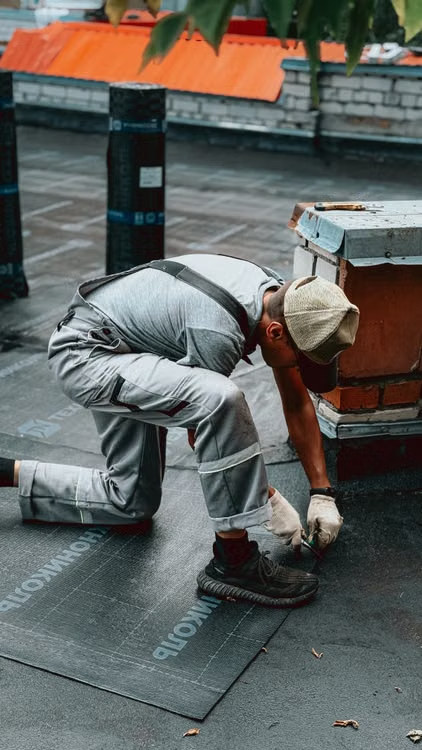
How to Choose the Right Roofing Pants for Your Crew
No single pair of roofing pants works best for every contractor. Your choice should reflect the tasks your people do, the weather they work in, and how much wear their clothes take. A crew that installs shingles all day may put knee comfort and abrasion resistance first, while an inspector may prefer lighter fabric, easy movement, and secure pockets for everyday items.
Budget for the full life of the pants, not just the price tag. A cheap pair that needs frequent replacing can cost more over time, while expensive pants aren’t automatically a better buy if their features don’t match your crew’s work. Compare construction, comfort, and how often you replace them based on your own experience, not just brand reputation.
It’s also smart to let employees try different fits before you order multiple pairs. Waistband comfort, inseam length, mobility, and pocket placement can vary a lot from person to person. A short wear test with walking, squatting, and climbing can show problems you won’t notice trying pants on in a store. Pants that pinch or restrict movement can be a distraction on a roof, so choose workwear that supports the job.
Choose Workwear That Supports the Job
The best roofing pants are the ones that fit comfortably, hold up to your work, and have the features your crew will actually use. Snickers and Blåkläder are worth checking for trades-focused designs, Carhartt and Wrangler offer conventional workwear, and Duluth Trading and Propper give you other options if your priorities are fabric, mobility, and storage.
Before you buy, compare the exact model’s specs, try the fit, and think about how it will perform in your crew’s normal conditions. Choose workwear that supports movement and durability, and pair it with proper footwear, fall protection, and safe roofing practices. See how ProLine’s CRM can help your team stay productive.
FAQ About Roofing Pants
What pants are best for roofing?
The best roofing pants combine durable construction, a comfortable fit, enough flexibility for climbing, and practical storage. The right choice depends on your tasks, climate, and need for knee protection.
Are knee-pad pockets worth it for roofers?
They can be useful for roofers who spend a lot of time kneeling. Check that the pockets work with the right inserts, and remember that knee pads make kneeling more comfortable but don’t replace other protective gear.
Should roofers wear lightweight or heavy-duty pants?
Lightweight pants may be more comfortable in hot weather, while heavier fabrics can suit work that is harder on clothing. Choose based on your working conditions and the specific pants’ construction.
How should roofing pants fit?
They should let you bend, squat, reach, and climb comfortably, without being too loose or having fabric that gets in the way. Check the fit with your normal work belt and gear.