Still not using roofing calculator apps? Roofing contractors know this truth better than anyone, i.e., the numbers you bring to a homeowner on the first visit determine whether you get the job or send another estimate. In 2026, contractors who rely on pen‑and‑paper measurements, ladders, and guesswork are slowly being left behind.
There’s a new breed of roofing pro who measures, estimates, and presents confident bids before the competition even finishes lunch. There are different ways roofers should and should not use AI… and roofing apps fall into the should category!
The demand for AI-enabled fast, precise, and professional estimates has never been higher… and it’s no surprise why. Today’s homeowners expect quick responses, clear pricing, and the confidence that their contractor knows what they’re doing. A roofing calculator app makes that possible.
That’s why contractors who still hand‑measure roofs with a tape and pencil are facing 3 major challenges (and remember that 95% of roofing businesses eventually fail):
- Inaccuracy: They make mistakes in measurements that lead to waste or costly material shortages.
- Slow Turnaround: Manual measures and spreadsheets slow down their sales cycle.
- Professionalism: Homeowners want polished figures and not shaky estimates that look like they came from a DM.
Modern apps change all of that. They let you generate remote roof measurements, calculate materials and labor costs, and export professional proposals without setting foot on the roof.
Tools like this help contractors deliver estimates in minutes, save hours each week, and significantly improve close rates, which, according to general contractor data, is crucial as a study shows homeowners increasingly choose contractors who respond fastest and present clear pricing early.
When you tie these apps into a CRM like ProLine, you get more than just measurement and calculation. You capture leads instantly, track follow‑ups, automate reminders, and analyze how your estimates perform over time. All contributing to a business that scales instead of sputtering.
1. RoofScope
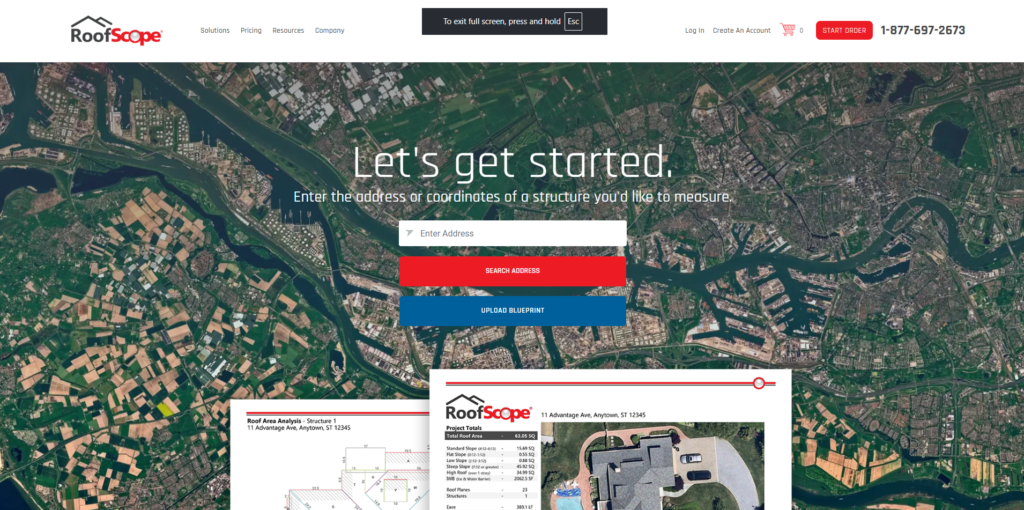
Scope Technologies builds RoofScope for contractors who refuse to compromise on accuracy. They boast a 95% accuracy rate or better. The reports arrive fast and include a clean, professional layout that you can hand straight to an adjuster.
It performs well on complex commercial projects where a tape measure fails. You get reliable data that stands up to scrutiny during insurance disputes. Pairing this with a CRM ensures you capture the data once and use it to track the job from start to finish.
Great For: Commercial and residential roofers who need reports that hold up in claims disputes.
2. EagleView
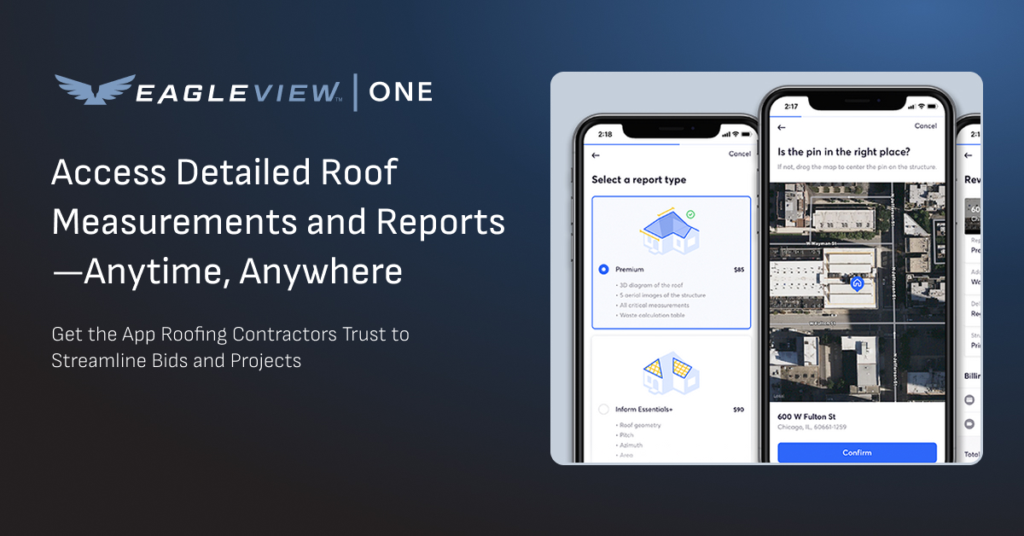
EagleView is the industry benchmark for precise roof measurements. The app uses high‑resolution aerial imagery and 3D visualization to deliver detailed reports with accurate square footage, pitch, ridges, hips, and waste calculations. This level of detail is especially valuable for:
- Insurance roof work, where adjusters expect high precision
- Complex roofs with multiple facets
- Contractors who want data that drives accurate material orders
EagleView’s automated quoting features and 3D view of the roof help construction professionals price jobs confidently and professionally. Many contractors who integrate EagleView reports into their CRM see a marked improvement in close rates because their estimates look more credible and well‑supported than the competition’s.
You can combine EagleView’s accuracy with ProLine’s job tracking to get a system that:
- Stores measurement reports per client
- Connects those reports to proposals and follow‑up tasks
- Let’s you analyze pricing accuracy trends over time
Best For: Use this tool if you’re a contractor focused on insurance work or detailed, complex roof measurement reporting.
3. GAF QuickMeasure
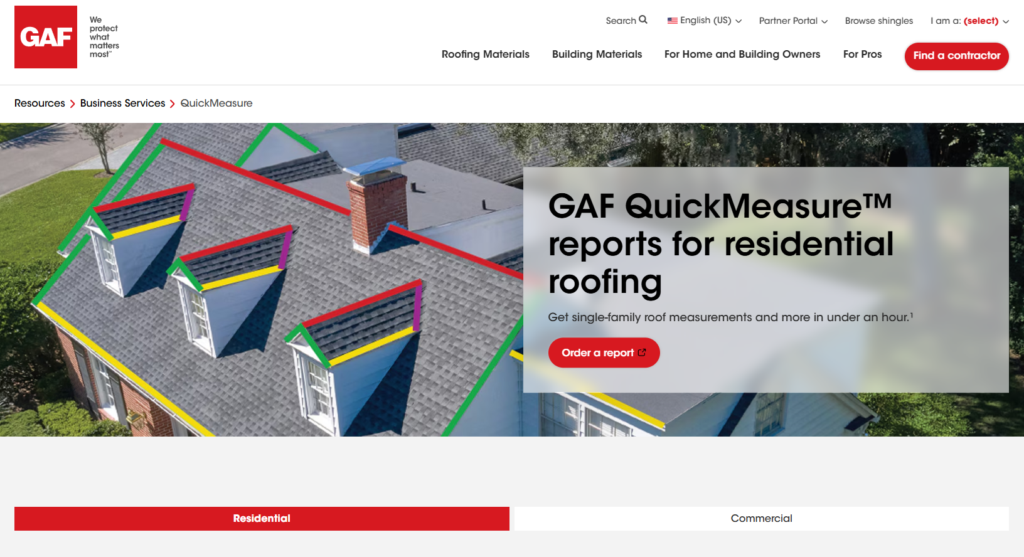
GAF QuickMeasure delivers reports in under an hour for single-family homes. GAF Certified contractors get significant discounts, which keeps overhead low. The reports give you all the necessary metrics: area, pitch, and facet breakdown.
It strips away the complexity of manual measuring. You order the report, get the email, and build your quote in ProLine before the truck engine cools down. It creates a speed advantage that catches competitors off guard.
Great For: GAF-certified contractors who need fast, affordable data to build quotes on the fly.
4. Hover
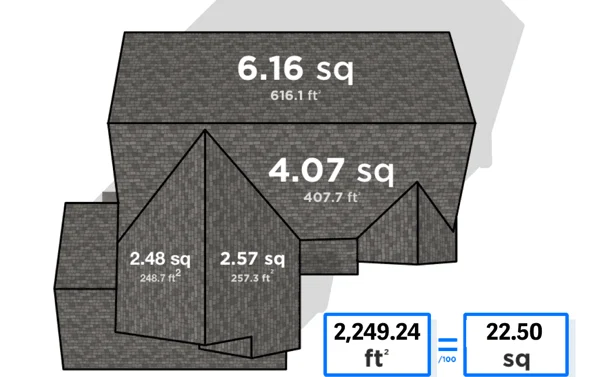
Roof measurement doesn’t always have to come from satellite imagery. Hover takes a different route: contractors (or even homeowners) take photos of each side of a home, and Hover turns those into detailed 3D models with measurements. The benefits of this approach are:
- Accurate visual takeoffs
- Easy inspection of complex roof shapes
- Data that ties into workflows for siding or exterior modeling as well
Contractors who handle residential roofs, siding, and other exterior work often appreciate how comprehensive these models can be. It’s a powerful visual tool for sales presentations because homeowners see exactly what you’re talking about. Paired with ProLine, every project becomes more trackable, from the first photo taken to the job completion checklist.
Best For: Teams handling both roofing and exterior projects benefit from 3D visuals in their estimates with Hover’s help.
5. Pitch Gauge
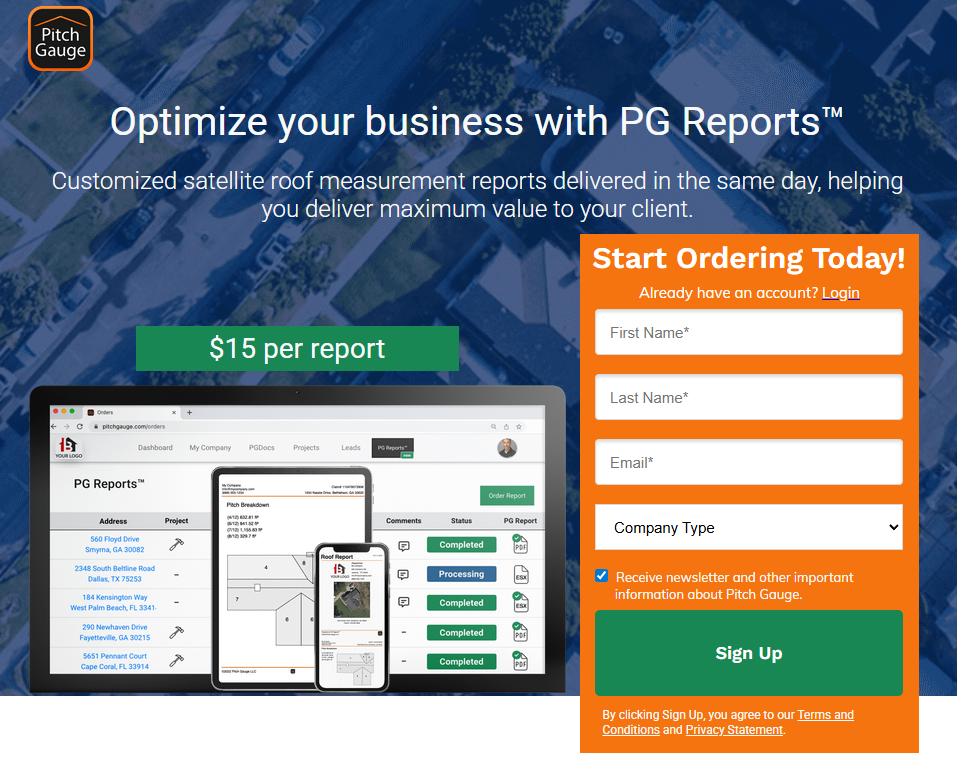
Pitch Gauge turns your phone into a digital pitch finder. It fits the needs of roofers who want to do the work themselves but need a digital assist. You overlay the gauge on a photo to determine the slope without climbing the roof.
It cuts the time you spend guessing angles and creates a solid foundation for your material list. While it lacks the full automation of an aerial report, it gives you control. You verify the numbers yourself.
Great For: Hands-on contractors who want a simple, mobile-first tool to verify slope and area.
6. Google Earth Pro
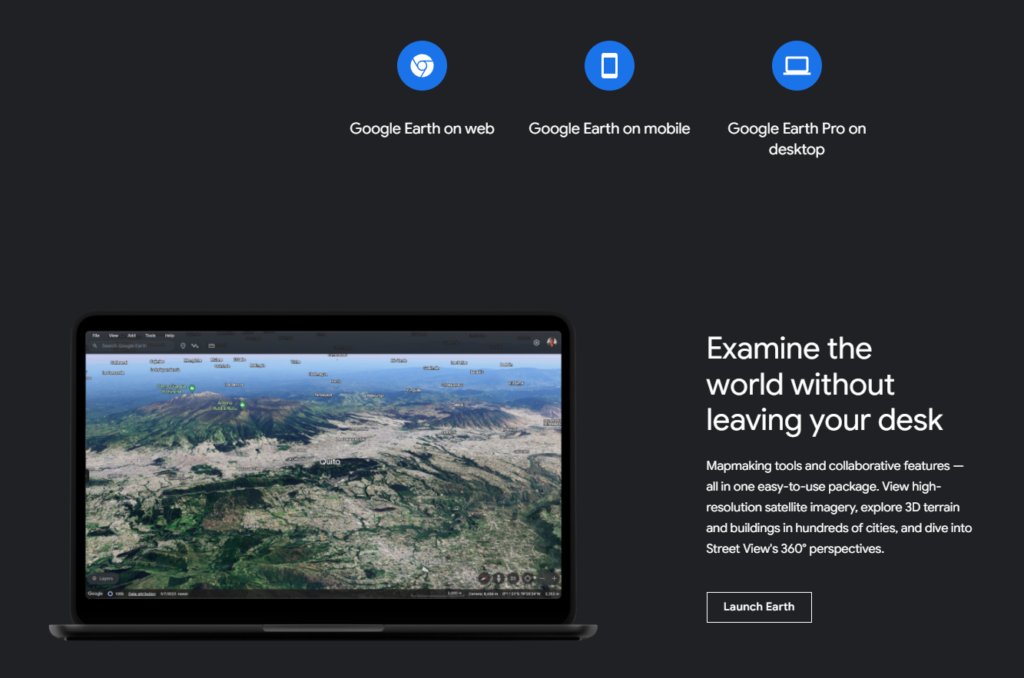
Google Earth Pro offers a zero-cost way to qualify leads. It lacks the laser precision of paid services, but it lets you spot “measles” on a roof or check access issues from your desk. You use the polygon tool to trace the roof perimeter and get a rough square footage.
This helps you ballpark a price before you drive across town. Use it to filter out bad leads so your sales team focuses on the winners. It saves you gas money and keeps your calendar free for serious buyers.
Great For: Qualifying leads remotely and getting rough estimates without spending a dime.
7. SkyMeasure
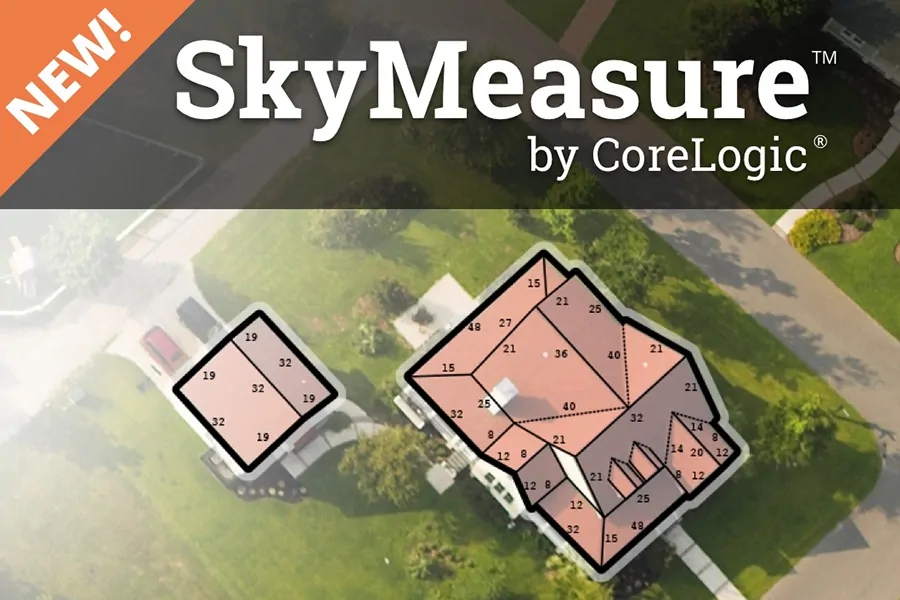
SkyMeasure blends aerial imagery with optional drone capture to produce highly detailed roof measurements. It’s especially useful for steep, multi-facet, or hard-to-access roofs where traditional measuring is risky or time-consuming. Reports typically include area calculations, pitch, ridges, valleys, and material quantities.
This tool is popular with contractors handling larger residential projects or light commercial work because it reduces on-site exposure while still delivering precise data. Instead of sending crews onto every roof, measurements can often be completed remotely — saving labor hours and improving safety. Connected with ProLine, SkyMeasure helps contractors:
- Store measurement reports alongside photos and job notes
- Track estimates created from each report
- Follow up automatically after proposals are sent
Best For: Teams working on complex roofs can benefit from drone-assisted or advanced aerial measurement without slowing down the estimating process.
How to Choose the Right Roofing Calculator App
As material costs rise in 2026, precision is your best defense against profit loss. When choosing an app, look for integration capabilities. A calculator is only as good as the data it saves. If you have to manually copy measurements from your app to your CRM, you’re doubling your workload and risking errors. Look for tools like EagleView or Hover that sync directly with ProLine, ensuring your estimates are accurate and your workflow is seamless.
Here’s a simple way to think about your choice:
- Volume of Jobs You Quote: If you’re handling dozens of leads per week, a full professional solution (iRoofing or EagleView) paired with a CRM is ideal.
- Budget vs Accuracy Needs: Free or affordable tools like Jobber’s measurement tool help qualify leads, while mid‑range tools like RoofSnap balance cost and capability.
- Sales Process Integration: Apps that feed data into your CRM (like iRoofing with ProLine) help you stay organized, communicate faster, and close more jobs.
ProLine’s communication‑first CRM fills the gaps that measurement apps leave behind. It ensures you never miss a follow‑up, keep client details tidy, and have a structured process, which means more closed jobs and fewer lost opportunities.
Choose Roofing Calculator Apps That Work Together
Roofing calculator apps are foundational tools that help you measure faster, quote more accurately, and present proposals professionally. But tools alone aren’t enough. The contractors who win in 2026 tie these apps into systems that track leads, automate follow‑ups, and store client data in one place.
That’s where ProLine’s communication‑first CRM and reporting dashboards become game‑changers. You get measurements, estimates, and a structured workflow that helps you sell more jobs and make it home for dinner consistently. Book a demo with ProLine today.
FAQs | Roofing Calculator Apps
What are roofing calculator apps?
A roofing calculator app helps you measure roof area, calculate materials and labor costs, and often generate proposals from your phone or tablet.
Can roofing calculator apps help me sell more jobs?
Yes. Faster, clearer estimates increase homeowner confidence, and when paired with a CRM like ProLine, you automate follow‑ups and communication.
Is there a free app to measure roofs?
Yes, but you pay with your time. Google Earth Pro costs nothing and lets you measure roof area from your desk. You trace the roof manually, so precision depends on your hand.
How accurate are satellite roof measurements?
Top-tier apps like EagleView hit 95% accuracy or better. That’s all you need for 90% of asphalt shingle estimates.
Can I measure a roof with just a photo?
Apps like Hover build 3D models from smartphone photos. You walk around the house, snap pictures, and the software stitches them together. It calculates pitch, surface area, and line lengths automatically.