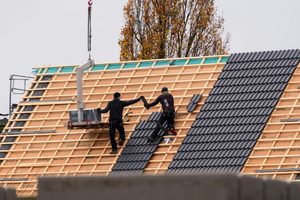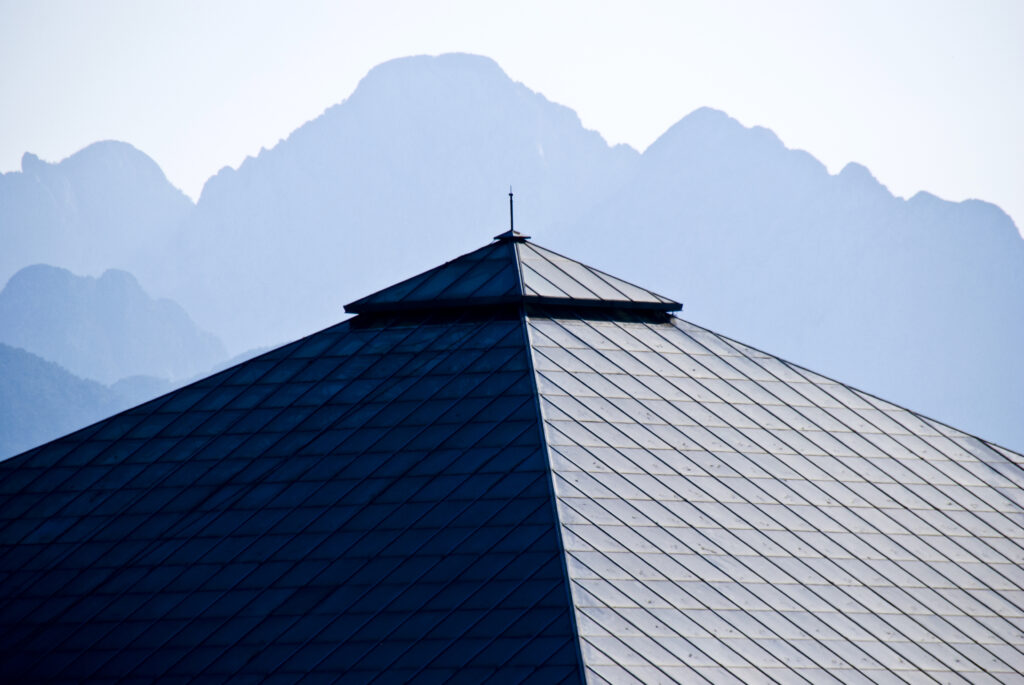
Some roofs are simple, while others are a maze. But here’s the truth: veteran roofers learn the hard way: not all roofs are priced the same, and quoting them like they are means lost profits, miscommunication, and unhappy customers.
If you’ve ever delivered a quote and then watched costs balloon on the job… yeah, roof shape is often the culprit. Roof shapes affect:
- Material waste
- Labor hours
- Safety requirements
- Complexity of installation
Getting this right separates good roofers from great roofers. When you combine that precision with systems like a communication‑first CRM that tracks every detail & every message, you close more roofing jobs without the usual chaos!
Let’s break down the six roof shapes every roofer should quote differently… and why.

Roof Shape #1: Gable Roof
Gable roofs are the classic triangle roof: two sloping sides meeting at a ridge. You’ve seen them everywhere; for instance, suburban homes, cabins, schools, you name it. Gable roofs have also been tested to provide deterrence against tornadoes and other weather elements.
They look easy. But many roofers quote them like a one‑size‑fits‑all project. That’s where you lose money. Your gable roofs require special quoting if you don’t want to lose money.
Why Gable Roofs Need Special Quoting
- Many people assume waste is between 7% and 10%, but complex intersecting sections can bump waste up significantly
- Valleys, dormers, and multiple gable ends add cutting and detail work that eats labor time
- Simple looks can be complicated when the layout isn’t square or regular
What to Account For
- Waste percentages beyond industry defaults (track actual numbers you’ve seen)
- Extra labor for overhangs, valleys, snips, etc
- Pitch, i.e., the steeper the roof, the slower the crew moves (and also the higher the labour cost)
How ProLine Helps
Using ProLine, you can attach actual photos and measurements straight into the job file. There is no guessing later. Every lead, measurement, and update sticks to the same job record, so your estimator and field team are in sync, and quotes stay tight.
Roof Shape #2: Hipped Roof
Hip roofs slope toward the walls on all four sides, so there are no flat gable ends here. That gives excellent durability and wind resistance, which homeowners love. But that structural stability comes at a cost.
The Hidden Costs of Hip Roofs
- More cuts means more labor
- Ridge and hip lines require precise nailing and finishing
- Material waste isn’t just random, since you get triangle sections and overlap waste that standard calculators miss.
HomeAdvisor’s cost tables show hipped roofs typically cost 35% to 40% more than gabled roofs, which makes sense when you consider all the extra labor.
What Roofers Must Quote
- Break down labour by section (not just total square footage)
- Add waste for cuts and hip shingles specifically
- Adjust price for safety gear if access is tricky (multiple angles often mean ladders and scaffolds everywhere)
ProLine in Action
ProLine organizes every measurement and photo by roof plane, so your estimator tracks waste by section instead of guessing at a generic number. Your crew notes flow back into quotes if anything changes, therefore, keeping you protected.
Roof Shape #3: Mansard/French Roof
Mansard roofs are the elegant cousins of hipped roofs that are reshaping London’s skyline with their fabulous extensions. They have two distinct slopes on each side, often with dormers and extra angles. They look great at first… but man, they test your quoting chops.
Why Mansard Roof Quotes Often Break
- They behave almost like two roofs in one, i.e., an upper low pitch and a lower steep pitch
- Each slope requires different labor speeds
- Dormers or tricky transitions add hours, not minutes
- Material waste can climb to 20% or more because cuts aren’t linear
What You Should Quote Separately
- Break labor into upper vs. lower slopes
- Account for extra flashing and waterproofing at dormers
- Expect longer install windows and communicate that clearly
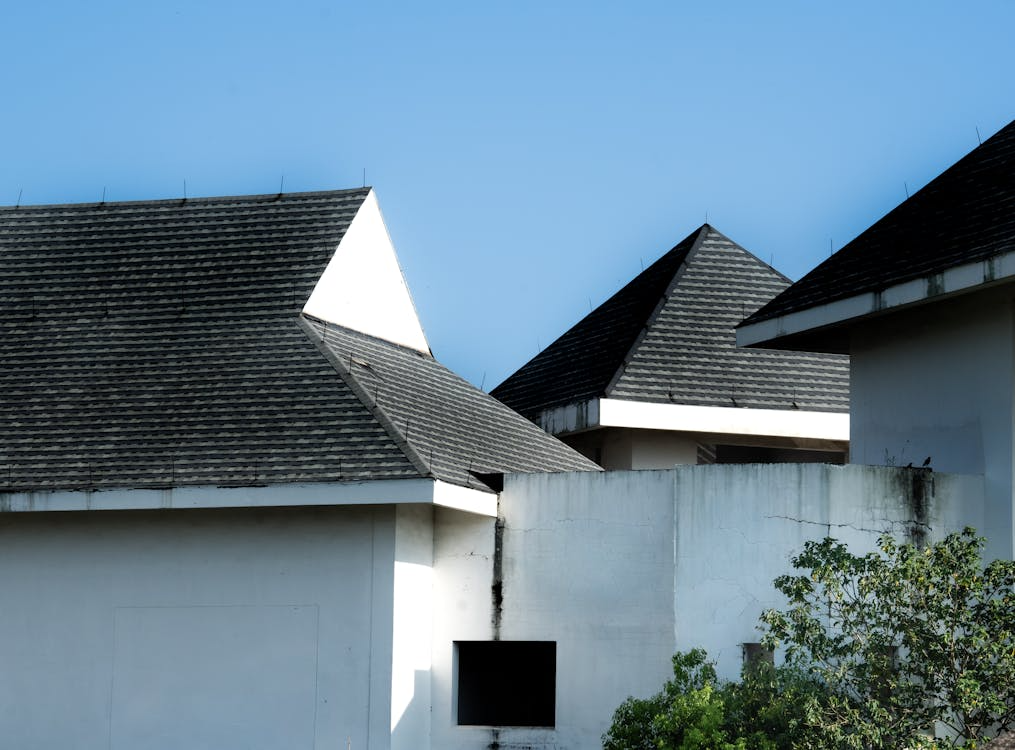
Roof Shape #4: Gambrel Roof
Gambrel roofs are barn‑style with two different slopes on each side. They give great attic space but require careful quoting because one mistake multiplies into real cost.
Common Quoting Mistakes
- Treating them like gable roofs
- Forgetting waste spikes from multiple cuts
- Underestimating labour for each slope transition
- Having insufficient access to the data required to automate quoting
Where Money Hides
- Extra ridge and valley material
- Flashing at every angle break
- Time for your crew to reset tools and approach angle changes
ProLine Works Here Too
Picture this: home inspector sends photos mid‑day, estimator updates notes, field crew checks in from the job. With ProLine, all those updates stay connected to the right roof section. There are no more lost calls mid‑quote.
Roof Shape #5: Flat Roof
Flat roofs seem easy, but they’re only “flat” in name. They’re low‑pitch and require precision drainage so water doesn’t pool. Americans seem to have a generational obsession with this roof type, and scientists believe that flat roofs can support a net-zero future in our lives.
Why Flat Roofs Need a Different Approach
- Improper slope causes water pooling and leaks, which homeowners hate
- Materials vary hugely: TPO, EPDM, BUR (each has its own labor rates)
- Professional quotes must account for drainage scuppers, edge details, and insulation
Industry experts note that complex roofs with low pitch eat labor and mismeasurement really cost you money!
What to Quote
- Drainage plan and labor
- Material choice and warranty differences
- Extra seams, flashings, and termination points
How ProLine Helps
You can standardize your quoting process in ProLine, so every flat roof quote pulls from a checklist. There’s no room for surprises or guesswork anymore…
Roof Shape #6: Skillion / Shed Roof
Skillion roofs (also known as shed roofs) are single-slope surfaces. They seem really simple on paper. But that simplicity often tricks roofers into sloppy quoting.
What Roofers Mess Up
- Quoting by square footage only
- Forgetting labor variances for steepness
- Not accounting for flashings and transitions at high walls
Even these seemingly simple roofs can cause major headaches if you ignore slope differences, overhangs, & drainage details.
What to Price Right
- Adjust labor and safety based on pitch
- Factor in edge flashings and wall terminations
- Add waste for angles and cuts
ProLine Makes a Difference
Attach field photos and slope notes directly to the job. When sales and production share the same view of the roof, quotes stay accurate, and customers feel confident.

Why Accurate Roof Quoting Isn’t Optional… And How to Win More Jobs
Let’s be blunt: quoting every roof the same way isn’t just sloppy… it costs you money, time, and reputation. Think about it: a homeowner gets a quote that’s off by even a few hundred dollars.
You may win the job, but you’re already chasing costs, overworked crews, and frustrated homeowners. Or worse, you lose the bid entirely because your pricing doesn’t reflect the complexity of the roof.
Industry analysis shows that estimators who underprice or overprice see bid win rates drop by up to 30%; that’s real money leaving your pockets job by job.
Roof shape is the biggest hidden driver behind these errors. Each slope, ridge, & valley changes material needs, labor hours, and even safety requirements. Treating every shape like a simple gable is a recipe for missed labor, wasted shingles, and frustrated crews.
What Accurate Quoting Really Does
When you quote properly:
- Win rates increase (homeowners trust accurate, transparent pricing)
- Profit margins improve (less wasted material, better labor planning)
- Call-backs and disputes drop (every job runs smoother because expectations match reality)
- Reputation grows (satisfied homeowners become repeat clients and refer others)
How to Quote Smart
- Understand how each shape drives labor and waste
Don’t assume every roof takes the same time or material. Break down the slopes, ridges, valleys, and pitches. Track waste percentages for every roof type and adjust your pricing accordingly.
- Build workflows that capture specifics, not guesses
Every quote should follow the same process: measure, calculate waste, account for labor, and document notes. ProLine lets you standardize this across crews and estimators so nothing gets missed.
- Use a communication-first system like ProLine
Photos, measurements, updates, and homeowner communications all live in one place. When the estimator, crew, and office share the same view, mistakes shrink, timelines shorten, and margins grow.
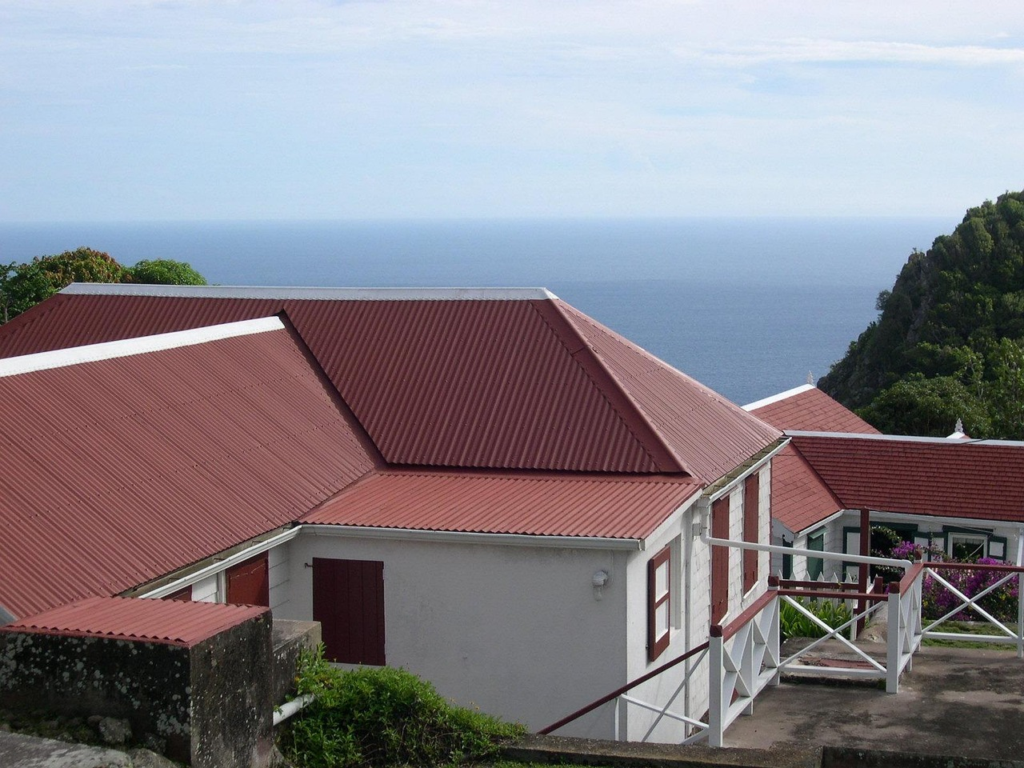
Get ProLine in Your Life Today
If you feel ready for roofing job selling excellence, book a demo with us today. See for yourself how ProLine makes your roofing company soar above the competition and make good bucks.
FAQs
Q1: How much does roof shape affect pricing?
Roof shape affects waste and labor. More angles and slopes often increase labor and material by 10% to 20% because of cuts, flashings, & complexity.
Q2: What roof shape costs the most?
Complex multi‑slope shapes (like mansard and gambrel) cost more because of increased labor and waste. Simple single‑slope roofs generally cost less.
Q3: Do I need specialized software to quote different roof shapes?
Technically, no! But roofers using dedicated tools like ProLine save hours, reduce errors, and win more jobs because every lead and quote step is tracked.
Q4: How do I estimate waste correctly?
Base waste on shape and cuts. Complex shapes mean more offcuts. Track historical waste percentages with software like ProLine, so your future quotes get smarter.
Q5: How can roofers standardize quoting?
A workflow system (like ProLine’s CRM with job checklists and automation) standardizes estimates so every estimator uses the same process.