Roofers often use different digital tools at work. But the essential roofing tools remain your trusted gear. You can show up with skill and grit, but if your toolbox is outdated or missing critical gear, you’ll waste hours every week, no matter how updated your roofing software is!
Worse, you might risk errors, callbacks, and insurance headaches later.
Roofing pros today aren’t just climbing ladders and pounding nails. They’re managing crews, tracking materials, communicating with homeowners, and trying to squeeze more productivity out of every workday.
That’s why essential tools today include not only hammers and nailers but also systems that tie fieldwork into workflows that help close more jobs, stay organized, and make it home for dinner. Before we look into individual tools, here’s one industry trend worth knowing:
- 73% of roofing companies have adopted digital tools to improve efficiency
- 65% of contractors report increased productivity because of software solutions and tablets
It means that physical tools complement roofing software. Let’s talk about the gear that actually saves you hours on the job and improves quality.
Why Tool Choices Matter More in 2026
Demand for roof replacements and repairs continues to grow as homes age and weather events remain unpredictable. Roofing contractors need every advantage they can get. Yes, we realize that roofing automation means your crew doesn’t have to climb on top of risky buildings just to measure the roof. But essential roofing tools stay at the center of it all.
- Physical tools make work faster and safer.
- Modern gear reduces fatigue and lowers the chance of mistakes.
- Investing in quality tools also saves money long-term.
- Cheap gear wears out faster, creates downtime, and often leads to poor results that come back to haunt you later.
Think about it from the homeowner’s perspective. They don’t care what tool you use; they care that the job is done right and finished on time. When tools and workflows are smooth, customers notice. And when they notice, they refer others or leave better reviews.
Nailers: The Tool That Changes the Game
Nothing accelerates roofing work more than a good roofing nailer.
- Nail guns drastically cut down the time spent securing shingles, underlayment, and other roofing materials compared with manual nailing.
- They also help ensure nails are driven consistently and at the correct depth
- They prevent blown-off shingles and future callbacks.
Cordless roofing nailers eliminate the need for bulky hoses & compressors, giving you more freedom of movement on the job.
Drills and Saw Power Tools: Cutting Precision
Next on the list are tools that help with cutting and fastening beyond shingles.
- A cordless drill is indispensable for roofers. You’ll use them to secure screws for metal roofing, attach roof accessories, and run self‑tapping fasteners. Drills with long battery life and brushless motors give you reliable power without long downtime.
- Saws are another tool all roofers use daily. A circular saw helps with cutting plywood, OSB decking, and trim pieces. A reciprocating saw is helpful around roof fixtures like vents, chimneys, or when accessing water‑damaged sections of the deck.
Hand Tools Still Rule at the Core
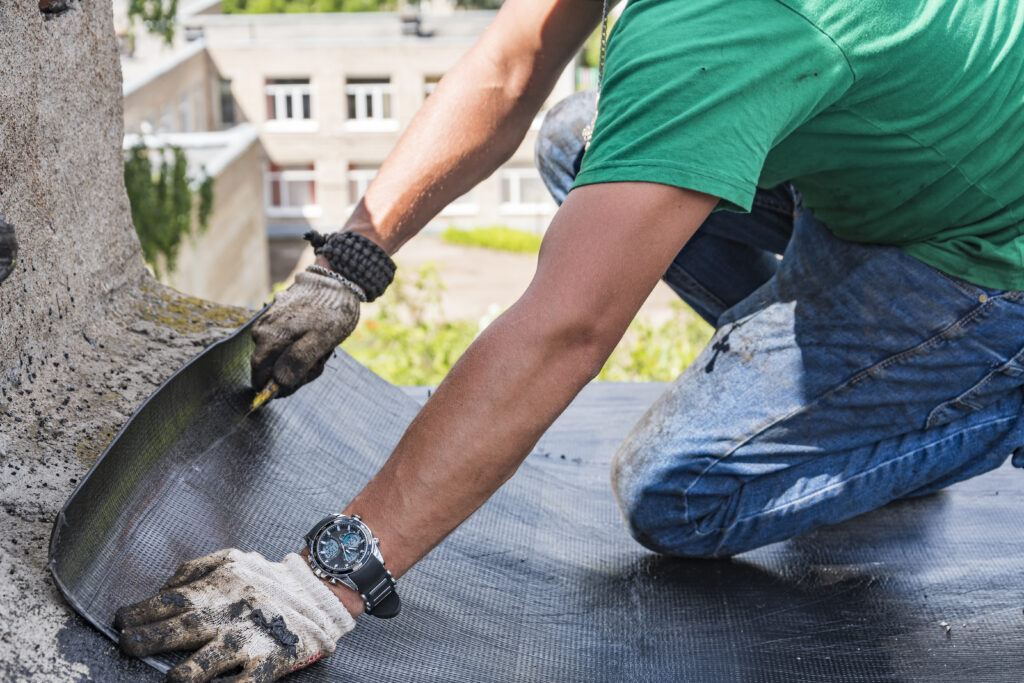
No matter how advanced things get, hand tools are still the foundation of roofing work.
- A roofing hammer (or hatchet) is purpose‑built for roof tasks. It has a gauge for setting shingle exposure, a magnetized head to hold nails, and a claw for efficient removal. Most roofers still trust this simple tool for detail work that nail guns can’t reach.
- A utility knife is used for precise cutting of shingles, underlayment, & flashing. Choose models with retractable blades for safety & replaceable blades for better consistency.
- Pry bars, roofing shovels, and chalk lines save hours by helping you prep and align materials accurately.
Tape Measures and Layout Tools
Precision matters in roofing (especially when you’re measuring roofs), and the old tape measure still earns its place every day.
- A quality tape measure with a wide, rigid blade helps you measure accurately across surfaces. Most pros keep one strapped to their belt and another in the truck. If you’re working solo or on metal panels, magnetic tips help hold measurements in place and reduce guesswork.
- A chalk line brings the layout into alignment. Snapping straight lines across ridgelines and valleys saves time with fewer corrections down the road.
Air Compressors and Pneumatic Gear
Many roofers still use pneumatic tools because they’re powerful and reliable.
An air compressor that delivers consistent pressure is essential if you’re running nail guns, staplers, or other pneumatic gear. Look for roofing‑grade compressors with thermal protection, dual hose outlets, and durable frames.
They reduce tool wear and tear and keep multiple tools running without hiccups. So, having a dependable compressor means less downtime waiting for charge cycles or tool recalibration.
Safety Gear: The Time‑Saver You Don’t Want to Skip
Safety tools aren’t just a legal requirement, as they save hours lost to injuries or delays. Sadly, roofing remains one of the top 3 deadliest occupations in the US. That’s why you should never compromise on the safety of your workers.
- Roofing is dangerous. Hard hats, safety glasses, non‑slip footwear, and fall protection harnesses are non‑negotiable for any job (residential or commercial). Protective gear helps roofers maintain productivity without compromising safety.
- Proper footwear with good traction prevents slips that can stop a job cold. Gloves protect hands from cuts and blisters. And harness systems keep falls from turning into injuries that take workers out of the field for weeks.
Ladders, Brackets, and Work Platforms
Access is everything in roofing. No matter how good your tools are, if you’re spending extra time climbing up and down or repositioning ladders, you’re losing hours every day.
- Quality extension ladders that are durable and easy to adjust save time during setup and teardown.
- Use roof brackets or toe boards to create stable platforms on steep roofs.
These tools let you move and work more efficiently without constant repositioning.
Tarps, Protection, and Cleanup Tools
The weather is part of roofing. Tools that help protect the job site and clean up efficiently save hours you’d otherwise spend fixing mistakes or dealing with homeowner complaints.
- Heavy‑duty tarps protect exposed decking during sudden storms or overnight delays. They also keep landscaping safe and make cleanup easier.
- Roof chutes and debris containers help collect nails, shingles, and debris in one spot instead of scattered across yards and gutters.
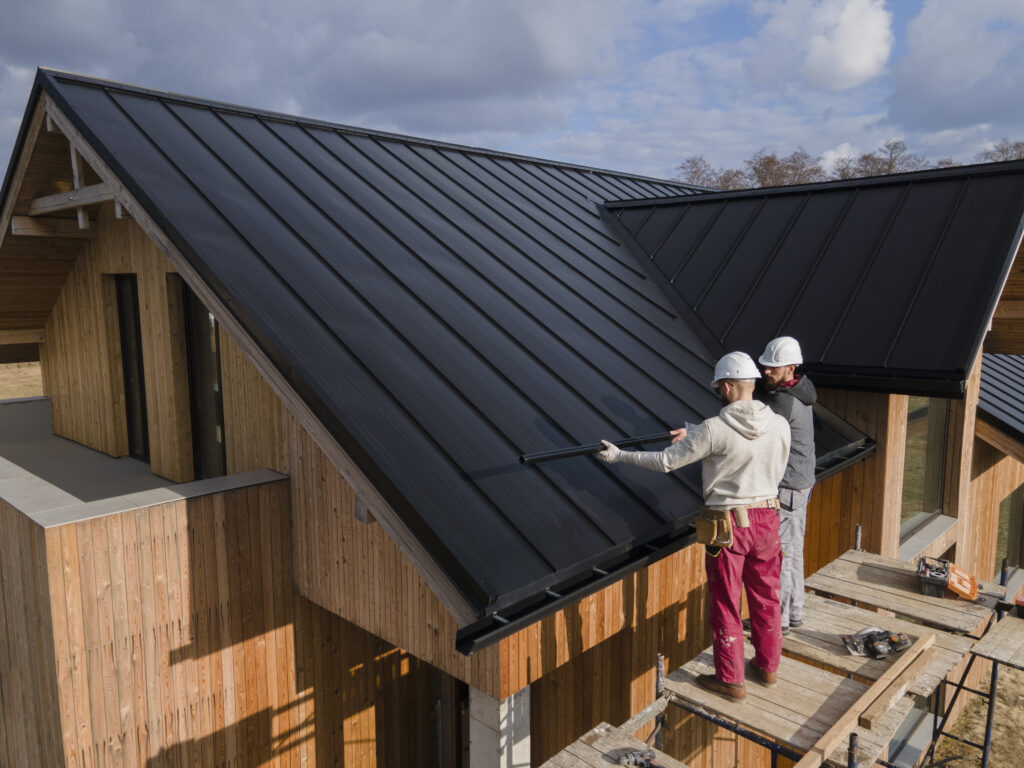
Productivity Boosters: Specialty Tools That Save Hours
Beyond the basics, some tools don’t just make work easier… They make work faster.
- Specialty gear like turbo shears that attach to drills can cut metal sheets quickly and precisely. Magnetic pickup tools help gather nails in seconds.
- And self‑propelled containers make debris removal less labor-intensive.
These aren’t mandatory for every contractor, but if you want to shave hours off tear‑offs and cleanup, they’re worth considering.
The Upgrades: Roofing Gear That Saves Time
You already have a hammer and a tape measure. If you want to move faster, you need to upgrade the basics to professional standards.
1. The Stiletto (Titanium Hammers) Stop swinging heavy steel. Titanium hammers like the Stiletto drive nails with the same force as steel but weigh half as much. This reduces “tennis elbow” and fatigue. A roofer who isn’t fighting arm pain works faster and happier.
2. The Equipter (RB4000) This is the single biggest time-saver on a job site. The Equipter is a self-propelled dump trailer that lifts up to the roof edge. instead of throwing debris on the ground and cleaning it up later (handling it twice), you throw it directly into the bin. It saves hours of cleanup and protects the homeowner’s flowerbeds.
3. The Pitch Hopper Forget heavy foam cushions that slide around. The Pitch Hopper is a wedge designed to grip steep asphalt shingles, giving your guys a stable, level platform to stand on while they work. It reduces calf strain on steep pitches and improves safety without the hassle of setting up full scaffolding for a quick repair.
4. Cougar Paws You can’t work fast if you’re slipping. Cougar Paws are the gold standard for roofing footwear. Their replaceable foam pads grip shingles like a magnet, even on steep pitches. They prevent scuffing up hot shingles in the summer and keep your crew safe.
Measuring & Layout: Precision Speed
Speed means nothing if the measurements are wrong.
- Stanley FatMax: The tape measure that stands out 11 feet without snapping. It’s the industry standard for a reason.
- Laser Distance Measurers (Distos): For quick ground estimates or soffit measurements, a laser is faster and more accurate than trying to bend a tape measure around a gutter downspout.
Software Tools That Tie the Physical Work Together
Here’s the part most roofers don’t talk about: physical tools matter, but systems matter too. By 2026, most roofing companies aren’t just investing in hammers and nailers; they’re investing in digital tools to manage work, leads, crews, and customer communication.
This is where tools like ProLine’s communication‑first CRM fit in. While your physical tools get the job done on the roof, ProLine makes sure every lead is followed up fast, every job is tracked consistently, and every customer feels looked after.
When leads come in from referrals, marketing, trucks, or signs, ProLine helps you capture the contact, assign it, follow up, and close without losing hours to disorganized messaging or scattered notes. This blend of efficient physical tools and organized digital workflows is what lets good contractors grow and make it home for dinner.
Don’t Forget About Your CRM
Roofing is demanding. Your tools should reduce effort, not add to it. When you build a toolkit that matches the job’s real needs, and use systems that help you track leads and jobs without chaos, you not only work faster… You work smarter. Also, you’ll save hours on every project, close more jobs, scale your business, and make it home for dinner.
If you want roofing gear and business systems that work together without chaos, book a demo with ProLine and see how a communication‑first CRM helps you organize leads, jobs, & crews (all in one place). Let’s get started with ProLine to streamline everything!
FAQ
What tools save roofers the most time?
Roofing nailers, power drills, quality saws, and air compressors save significant installation time. They reduce manual effort and help complete tasks faster with precision.
Do roofers still need hand tools if power tools exist?
Yes, hammer, utility knives, chalk lines, and pry bars handle detailed work that power tools can’t reach and still form the core of efficient roofing execution.
How much should I budget for essential tools?
A basic set of quality hand and power tools can range from a few hundred to several thousand dollars, depending on brand and scope. Investing in durable gear saves money long term.