
How do roofing contractors use insurance supplements to increase revenue? This question bugs many startup owners who wish to finish roofing jobs on time and on budget.
Roofing contractors have many ways to grow their business, but few are as effective (or as overlooked) as insurance supplements. When managed correctly, supplements allow contractors to increase revenue without adding more jobs, crews, or overhead.
At the same time, they provide homeowners with the coverage needed to restore their roofs fully after damage, making it a win-win for both parties.
The Logic Behind Supplements
Did you know that around 70% of construction projects exceed the assigned budget? It is very normal. It happens when contractors discover underlying problems after starting a project.
Supplements are additional funds added to an existing insurance claim to cover items initially missed, underpriced, or newly discovered during the course of a roof replacement. You need to understand how to identify, document, and negotiate these supplements is key to protecting your margins and maximizing the profitability of every project.
But supplements aren’t automatic. They require precision, strategic follow-up, and the right systems. From documenting missed items to following up with desk adjusters, roofing contractors who treat supplements like a core part of their business see measurable results.
Tools like SuppTrax and services Contractor Supplement Solutions make tracking, presenting, and closing supplements far more efficient, letting contractors focus on completing roofs and serving homeowners rather than chasing paperwork.
Why You Can’t Disregard Insurance Supplements
Before you can leverage supplements for revenue, it’s important to understand what they are and how they work. As we have just explained to you, insurance supplements are adjustments to the initial claim to cover additional costs that weren’t included when the adjuster first inspected the property. These can include:
- Hidden water damage discovered after removing the roof
- Replacement of structural components, such as decking or flashing
- Upgrades like high-performance shingles or better underlayment
- Code-required improvements that were not accounted for in the original estimate
The critical takeaway here is that supplements aren’t extra profit; they’re funds you’re legitimately entitled to recover under the policy. Treating them professionally, with documentation and proper follow-up, ensures both the homeowner and insurer benefit.
Roofing contractors who approach supplements strategically are no longer leaving thousands of dollars on the table. So, let’s understand how supplements actually boost your revenue.
Why Supplements Increase Revenue
Supplements directly impact revenue by allowing contractors to capture the full scope of work on each project. A few key reasons they are so effective:
- Maximizing claim value without adding jobs: Instead of chasing new leads, you increase the payout on roofs you’re already working on.
- Improved margins: Many supplements cover items that weren’t included in the original bid, effectively increasing profit per job without extra labor.
- Enhanced homeowner trust: Properly managed supplements ensure homes are restored to their full pre-loss condition, which builds credibility and leads to referrals.
- Operational efficiency: When your team handles supplements methodically, fewer mistakes occur, less time is wasted on disputes, and cash flow improves.
By treating supplements as a core part of your process, contractors turn what was once an afterthought into a major revenue driver. Now, it’s up to your sales reps to win these coveted insurance jobs and grow your roofing business in 2026.
How Contractors Identify Supplement Opportunities
A big part of increasing revenue is knowing where supplements are possible. Some common ways roofing contractors identify opportunities include:
- Detailed inspections: Thorough pre- and post-removal inspections often reveal hidden damage that must be addressed.
- Cross-referencing policies: Knowing what the insurance policy covers ensures you don’t miss eligible items.
- Experience and intuition: Seasoned contractors recognize patterns and damage types that may be undervalued or overlooked.
- Documentation tools: Using apps or software to track photos, notes, and line items ensures nothing gets missed when submitting supplements.
Don’t forget that modern-day roofers are using drone technologies to speed up these roofing insurance claims. Using the latest tech tools and strategies is a surefire way to make it big in the roofing industry. That’s how you can sell more jobs and satisfy your clients.
Understanding Desk Adjusters
Desk adjusters are insurance representatives who review claims from their office rather than inspecting properties in person. They handle multiple claims daily and rely heavily on documentation, photos, and clear narratives to make decisions.
Unlike field adjusters, desk adjusters do not see the property firsthand, which means your presentation and supporting evidence must be flawless.
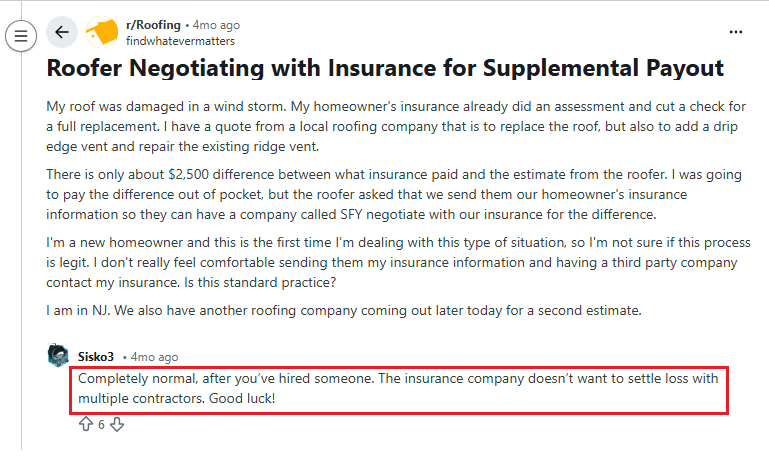
Knowing this, roofers need to approach desk adjusters strategically. Every interaction should be structured and professional, ensuring the adjuster understands the scope of work and why additional payment is warranted. Strong documentation, combined with follow-up and concise communication, dramatically increases your chances of approval.
Contractors who fail to organize their supplements risk delays, denials, and frustrated homeowners. That’s where tools like ProLine’s CRM come in to help you organize it all and make sure that your desk adjuster can see your expertise right away.
Documenting and Presenting Supplements
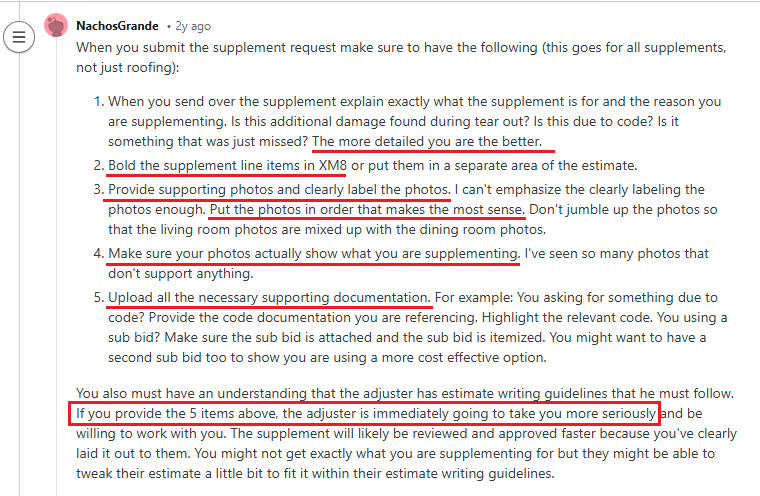
Documentation is the backbone of supplement approvals. A well-prepared submission increases the chance of approval and speeds up payment. Key documentation steps include:
- High-resolution photos before, during, and after roof removal
- Clear explanations of additional work needed
- Itemized estimates with accurate pricing
- Video walkthroughs for complex damage or structural issues
- References to manufacturer requirements or local building codes
By presenting supplements clearly and professionally, you demonstrate that you’re not inflating costs, but rather capturing legitimate additional expenses that the homeowner’s insurance covers.
Software platforms like SuppTrax help contractors organize and track supplements efficiently, ensuring every claim gets the attention it deserves. Meanwhile, Contractor Supplement Solutions provides tools to create professional submissions that insurers are more likely to approve the first time, minimizing back-and-forth and delays.
Negotiation Strategies with Desk Adjusters
Negotiation with desk adjusters is both an art and a science. Here are proven strategies contractors use to maximize supplement approvals:
- Build urgency and clarity: Clearly outline why additional work is necessary, referencing photos, codes, and manufacturer requirements.
- Avoid info dumping: Keep your communication concise and organized. Highlight the key points and let the documentation speak for itself.
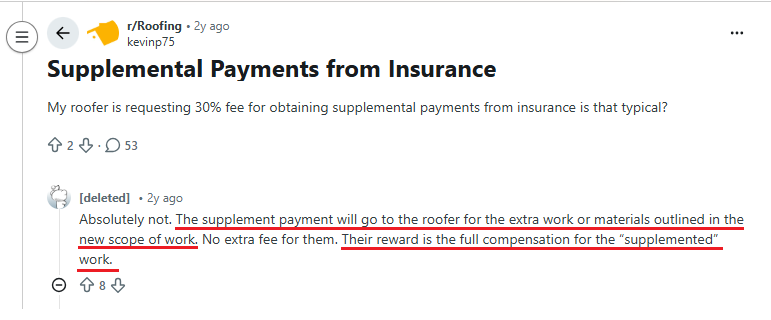
- Follow a structured workflow: Track every supplement, set reminders for follow-up, and maintain a log of communications.
- Leverage virtual evidence: Video walkthroughs and annotated photos help desk adjusters visualize damage and scope without being on-site.
- Use software to your advantage: Platforms like SuppTrax allow contractors to submit, track, and follow up on supplements efficiently.
When applied consistently, these strategies reduce delays, minimize frustration, and increase the likelihood of getting full supplement approval.

Timing and Follow-Up
Timing matters. Many contractors see seasonal trends, with most claims happening after storm seasons. Knowing when to submit supplements and follow up is crucial:
- Submit promptly: Submit supplements as soon as additional damage is discovered. Early submission keeps the claim fresh and relevant.
- Scheduled follow-up: Use reminders to follow up every 3–5 business days if a response hasn’t been received.
- Leverage slow seasons: During slower months, take the time to clean up pending supplements, ensuring a smooth workflow during peak season.
By staying proactive, contractors can maintain a steady revenue stream throughout the year rather than waiting for new leads alone.
Integrating Supplements into Your Workflow
Successful contractors integrate supplements into their daily workflow rather than treating them as separate tasks. This includes:
- Adding supplements to your CRM, like ProLine, to track all jobs in one system
- Training teams to document potential supplement items during inspections
- Automating reminders for follow-ups with desk adjusters
- Analyzing supplement revenue per project to identify patterns and opportunities
With these steps, supplements become a predictable and reliable revenue source rather than a hit-or-miss bonus.
Case Study Example
One roofing contractor leveraged supplements to increase revenue on every project. Using SuppTrax to track all supplement requests and Contractor Supplement Solutions for professional submissions, they saw:
- 15–20% increase in average revenue per job
- Faster approval times with fewer denials
- Higher customer satisfaction due to complete repairs and clear communication
This case demonstrates that supplements, when approached strategically, are not just extra income; they’re a key component of long-term business growth.
Conclusion
Insurance supplements are more than just “extra money.” They are a legitimate and strategic way for roofing contractors to increase revenue, maximize margins, and deliver full-value services to homeowners. By understanding supplement opportunities, documenting thoroughly, negotiating strategically, and following up consistently with desk adjusters, contractors can turn every insurance project into a higher-performing, more profitable job.
By making supplements a core part of your business, you ensure that no opportunity is missed and that every dollar you’re entitled to is captured. So, ready to sell more jobs?
FAQ
What exactly is a roofing insurance supplement?
A roofing insurance supplement is an adjustment to an existing insurance claim to cover additional work or costs not included in the initial estimate. This could include hidden damage, structural issues, or code-required upgrades.
What exactly is a roofing insurance supplement?
A roofing insurance supplement is an adjustment to an existing insurance claim to cover additional work or costs not included in the initial estimate. This could include hidden damage, structural issues, or code-required upgrades.
How can contractors maximize supplement approval?
Contractors maximize approval by documenting thoroughly with photos, videos, and itemized estimates, presenting supplements clearly, and following up consistently with desk adjusters.
Are supplements considered additional profit?
Supplements are not extra profit; they are additional funds contractors are legitimately entitled to under the homeowner’s insurance policy. Proper management ensures the homeowner receives complete coverage.