Many roofing contractors hesitate to raise prices because they’re afraid of losing jobs. That creates a real tension: price too low and margins suffer; raise prices without a plan and you may put pressure on your close rate.
The goal isn’t to become the cheapest roofer in your market. It’s to understand what the job costs, protect the margin your business needs, and build a sales process that helps homeowners understand the value behind the price.
This is the practical guide to how to raise prices in a roofing business without losing local market share. Not theory. Specific steps, the right sequence, and the communication systems that make it work. Whether your roofing business is actually profitable is worth understanding before anything else, because if margins are thin at current pricing, the urgency to fix it is real.
First: Is Your Business Actually Undercharging?
Before raising anything, diaAn unusually high close rate can be one sign that your pricing deserves a closer look. A commonly cited benchmark for roofing companies with solid pricing and sales processes is roughly 30% to 40% of qualified opportunities, while strong operators with their own marketing may close closer to 50%.
If you’re consistently closing 60% or 70% or more, don’t assume that means you need to raise prices. Look at the close rate alongside gross margin, lead source, referral volume, market conditions, and rep performance. You may have an exceptional sales operation, or your price may be leaving margin on the table. What a good closing rate in roofing sales actually looks like explains why closing almost every job is a margin warning, not a success signal.
Other signals you are undercharging:
- Material and labor costs have risen while your prices have stayed flat.
- Job-level margins are shrinking even though production efficiency has not materially changed.
- Net margin remains weak after you’ve reviewed overhead and operating costs.
- You consistently win competitive bids even when you know comparable contractors are quoting more.
- Your close rate is unusually high and your margins remain thinner than your targets.
WATCH: The Roofing Sales Close Rate That Proves You’re Undercharging
Why Most Roofers Are Undercharging in 2026
You are not alone. Jobber’s 2026 Home Service Trends Report found that 65% of surveyed home service businesses raised prices in the previous year. Among roofing businesses, that figure reached 74%. Inflation and material costs were the most common drivers, followed by labor costs.
Roofing companies have faced pressure from materials, labor, insurance, fuel, and other operating costs. If those costs rise while pricing stays flat, the difference eventually comes out of margin.
The math eventually catches up. You can’t absorb cost increases indefinitely through better efficiency or longer hours. At some point, the price has to reflect what the job actually costs to deliver well.
A close rate above 60% isn’t a success metric. It’s a pricing problem. The market is telling you the price is lower than it needs to be.
The Value-Price Gap: Why Homeowners Pay More
Price isn’t the only factor homeowners evaluate. Reputation, communication, scope clarity, responsiveness, warranties, presentation, and confidence in the contractor can all affect how a homeowner evaluates the proposal.
That matters when you raise prices. A higher number is easier to defend when the homeowner understands what they’re getting, trusts the company delivering it, and sees clear differences between your proposal and the alternatives.
John DeLaurier, co-founder of ProLine and former roofing contractor, built his business around this principle: raising perceived value is the lever that lets you raise price without losing the sale. The communication, the presentation, the follow-up, the professionalism of the proposal, all of it contributes to what the homeowner believes they are getting. Raise that belief, and you can raise the price.
What actually raises perceived value:
- A professional proposal with photos from the homeowner’s actual roof and a clear line-item breakdown
- Fast response time, because speed signals you want the work and are organized enough to deliver it
- Specific answers to homeowner questions instead of vague reassurances
- A visible online reputation with recent, specific reviews from real customers in their area
- Communication that keeps the homeowner informed between the inspection and the install
The presentation is where most of this happens. How to structure a roofing sales presentation that closes at higher prices covers the specific structure that builds enough trust to justify a premium.
How to Actually Raise Prices Without Tanking Your Close Rate
Step 1: Know Your Real Costs Before You Move the Number
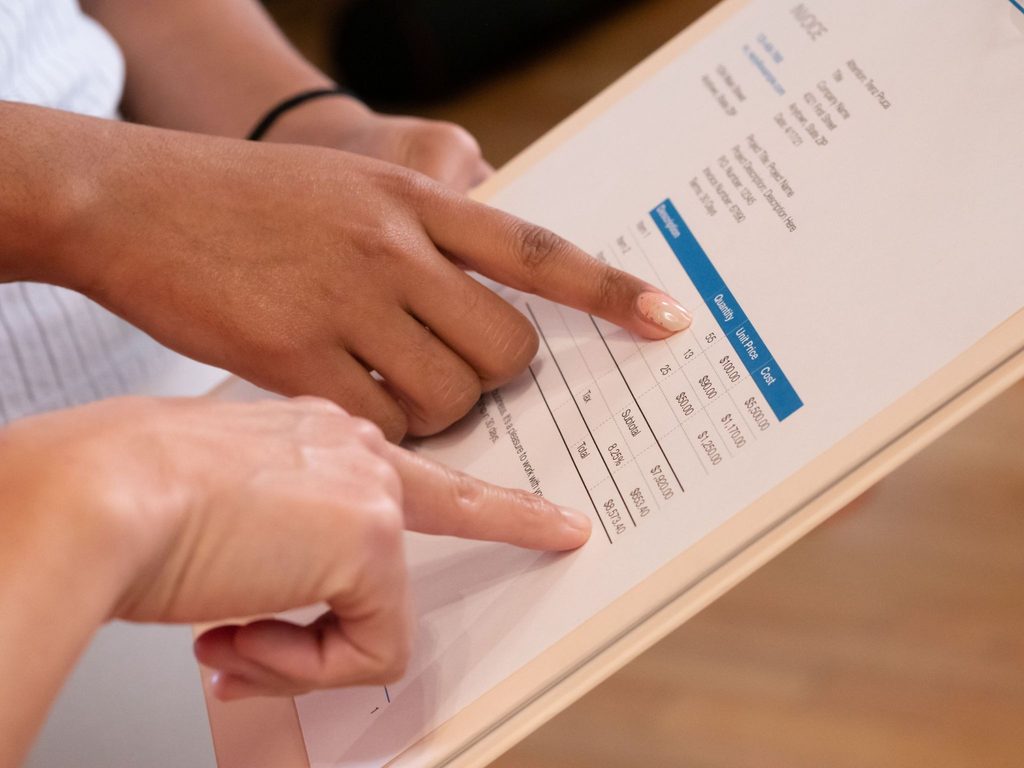
Before changing your price, separate direct job costs from the broader cost of running the business. Materials, direct labor, disposal, permits, and other job-specific costs determine gross profit. Overhead, sales and marketing expenses, administrative payroll, and other operating costs determine how much of that gross profit eventually becomes net profit.
For example, if a $13,000 job carries $10,000 in direct job costs, the job produces $3,000 in gross profit, or about a 23% gross margin. Industry benchmarks vary by business model and market, so use your own historical margins and required profitability to determine whether pricing needs to change.
How to price a roofing job accurately walks through the full cost-to-price calculation so the new number is grounded in real math, not a guess.
Step 2: Raise Prices on New Leads First
Don’t renegotiate active jobs or change prices homeowners have already accepted. Start with new opportunities and test a defined increase against your existing baseline.
Then track more than close rate. Watch average selling price, gross profit per job, gross margin, lead source, rep performance, and total gross profit generated. A lower close rate can still produce a healthier business if the jobs you win generate substantially more profit.
Give the test enough volume to mean something. Thirty days may be enough for a high-volume contractor, while a smaller operation may need a longer window. Don’t reverse a pricing decision because five homeowners said no.
Track it inside your CRM so the signal is clear and not anecdotal.
Step 3: Build the Presentation That Justifies the Number
A price increase gives homeowners more reason to scrutinize what they’re buying. Clear scopes, project photos, material specifications, warranties, financing options, and a professional proposal help them understand what sits behind the number.
If close rates fall after a price increase, compare performance across reps, lead sources, and customer segments before blaming the price alone. Presentation and objection handling may be part of the problem, but lead quality, competition, and the size of the increase can matter too.
The conversation shifted before the value proposition caught up with it.
Step 4: Automate Follow-Up So Hesitant Homeowners Come Back
Higher prices can create a longer decision process for some homeowners, especially when they are comparing multiple proposals. That makes consistent follow-up more important.
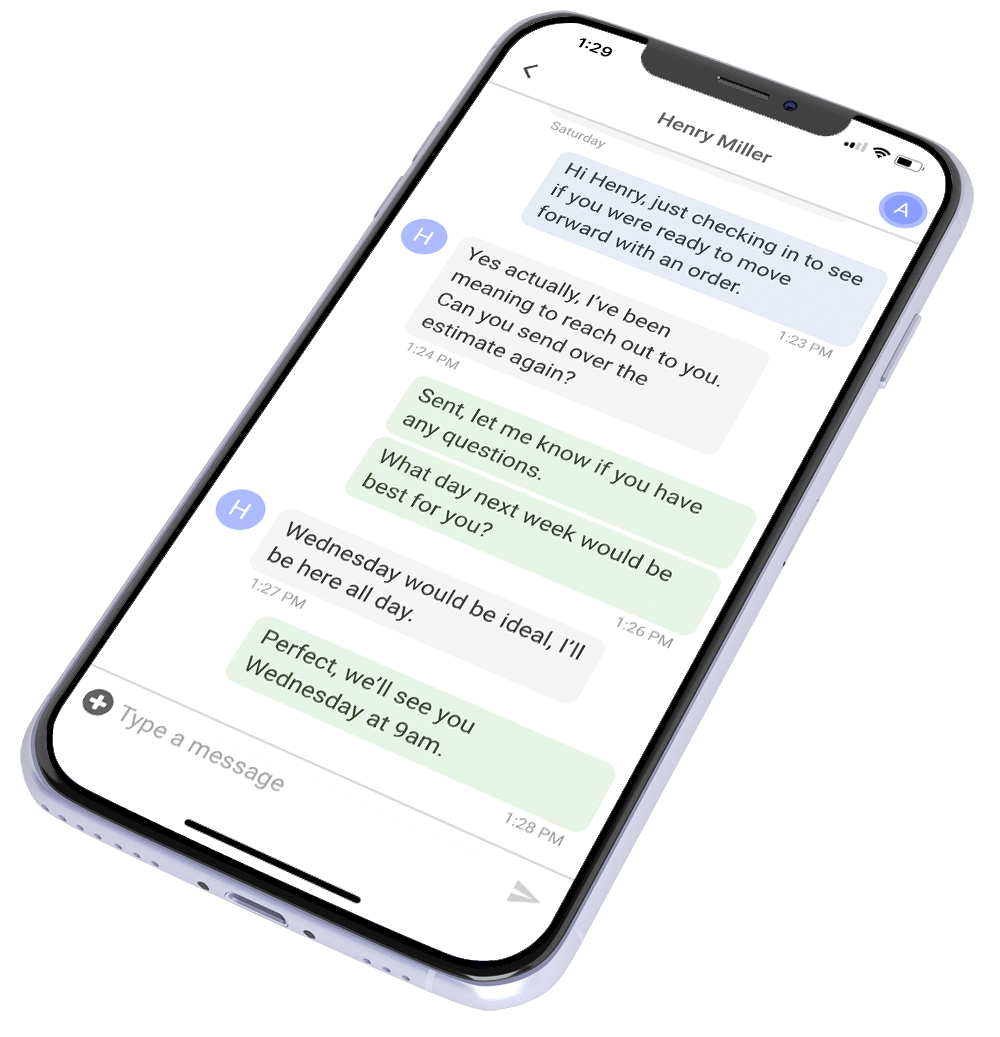
Instead of relying on a rep to remember every open proposal, build a follow-up cadence into the sales process. In ProLine, for example, you can automate touchpoints after a proposal is sent, such as a next-day check-in, another follow-up several days later, and continued outreach if the homeowner has not responded.
Step 5: Use Reporting to See What Is Actually Happening
Gut feel isn’t a pricing strategy. After the first 30 days at a new price point, pull the data:
- How did close rate change compared to the prior 30 days?
- Which rep is closing at the new price? Which one is not?
- Which neighborhoods or homeowner types are converting and which are pushing back?
Look for patterns before drawing conclusions. If one rep’s close rate falls while the rest of the team holds steady, review that rep’s presentation, lead mix, and objection handling. If an entire market segment reacts differently, compare competition, lead quality, job type, and price sensitivity before changing the number again.
What to Say When a Homeowner Says You’re Too Expensive
Price objections don’t all mean the same thing.
The homeowner may genuinely be over budget. They may be comparing your proposal against a different scope. They may not understand why your price is higher. Or they may simply be testing whether you’ll discount.
Don’t assume the answer is to defend your costs or cut the price.
Start by finding out what they’re comparing.
“I understand. Price matters, and it makes sense to compare your options. Before we change anything, I’d make sure we’re comparing the same scope, materials, warranty, communication, and service after the job. I’m happy to walk through our proposal with you so you can see exactly what’s included.”
That shifts the conversation away from the number alone and back toward the value behind it.
If the homeowner sees the difference and still needs a price below the margin your business requires, it may be better to lose the job than win unprofitable work.

Frequently Asked Questions
How much can a roofing company raise prices before losing market share?
There is no universal percentage. The result depends on your starting price, local competition, lead source, market position, job mix, and customer segment. Test price changes on new opportunities and track close rate alongside gross profit and average selling price rather than watching close rate alone.
Will raising prices hurt my Google reviews?
Not automatically. Customers tend to evaluate price in the context of the entire experience, including communication, workmanship, scope clarity, and whether the finished job matched their expectations. A higher price raises the importance of delivering an experience that supports the value you promised.
Should I tell existing customers I am raising prices?
Don’t retroactively change quoted prices on active or recently quoted jobs. For ongoing maintenance contracts or repeat customers, a brief communication explaining the adjustment, framed around cost increases in materials and labor, is more professional than a surprise number on the next invoice.
What helps justify a higher roofing price?
Fast response, a clear scope, a professional proposal, strong reviews, documented materials and warranties, and consistent communication can all help homeowners understand what they’re paying for. The goal is to make the value difference visible before asking the homeowner to accept the price difference.
How does a CRM help maintain close rates after a price increase?
By automating the follow-up that turns hesitant homeowners into booked jobs. At higher price points, the decision cycle is longer. A CRM that sends check-in messages at the right intervals keeps the business visible and relevant while the homeowner is deciding, without the rep having to manually track who needs what.
Your Pricing Has to Support the Business
If job costs rise faster than your pricing or productivity, margins eventually compress. Raising prices is one way to correct that, but it works best when the decision is grounded in job costs, margin targets, sales data, and what your market will support.
The goal isn’t to maximize price or protect close rate at all costs. It’s to find a price where the jobs you win generate enough profit to support the business you’re building.
ProLine gives roofing contractors the quoting, follow-up, and reporting tools to test that process with real data instead of gut feel.