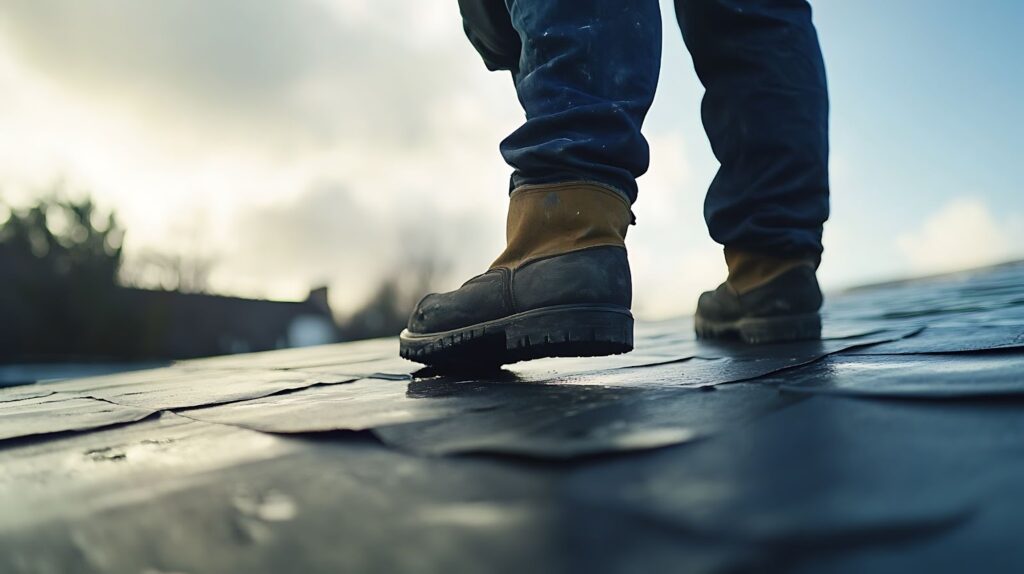
Roofing does not forgive bad footwear.
One slip on a steep pitch. One long day on hot shingles. One cheap sole that gives up halfway through the season. Suddenly your feet, knees, and back are running the job instead of you.
That is why choosing the best shoes for roofers 2026 is not about style or brand hype. It is about grip that holds when shingles are dusty, safety that protects when ladders get sketchy, and comfort that lasts past hour eight.
This guide cuts through the noise. No generic “work shoe” lists. Just real picks that roofers actually trust when the roof is steep, the weather turns, and the job still has to get done.
One Roof Does Not Fit All: Why Surface Type Dictates Your Shoes
Roofs do not fail the same way.
And neither do shoes.
What feels secure on one surface can turn dangerous fast on another. That difference matters more than comfort, brand, or price.
Roofing carries a fatal injury rate between 51.8 and 57.5 per 100,000 workers, ranking third-highest among U.S. occupations. A major factor behind those numbers is footing. Slip once. Lose balance once. That is all it takes.
Different roofing surfaces demand different traction.
Asphalt shingles
Dusty. Gritty. Often steep.
Shoes need flat, sticky soles that maximize contact. Deep lugs actually reduce grip here and chew up shingles. Flexibility matters because feeling the roof helps you adjust your stance.
Metal roofing
Smooth. Slick. Unforgiving.
Even light moisture turns metal into a hazard. Shoes for metal need aggressive rubber compounds and traction patterns designed for smooth surfaces. This is where roofing-specific footwear outperforms general work boots.
Slate and tile
Hard. Brittle. Uneven.
Too much traction can be a problem. Sudden grip can throw off balance or damage tiles. Lightweight shoes with controlled grip and good ground feel work better than heavy boots.
Flat decks and low-slope roofs
Less slope, more debris.
Fasteners, sharp edges, and materials increase puncture risk. Here, puncture-resistant midsoles and reinforced construction matter as much as traction.
The Non-Negotiable Features Every Roofer Shoe Must Have
Roofing does not care how your shoes look.
It cares how they perform when things get sketchy.
Every good roofer shoe earns its place the same way. It keeps you upright, keeps you moving, and keeps you working when the day gets long. Miss any one of those, and the roof reminds you fast.
Grip is the first test. Slip resistance is not optional up there. The right sole grips dusty shingles and smooth metal without you adjusting your stance. Flat, sticky contact beats deep, aggressive tread every time.
Comfort sneaks up later. The first few hours rarely tell the truth. By hour eight, poor cushioning, trapped heat, and stiff soles start draining focus. Fatigue sets in. Mistakes follow. Good shoes reduce impact, breathe well, and flex with the roof instead of fighting it.
Protection is what saves you over time. Ankles take strain. Toes meet falling tools. Nails wait where you least expect them. The right shoes handle all of it quietly so you do not have to.
The Best Shoes for Roofers That Keep You Upright When the Roof Tries to Take You Down
This is not about comfort preferences. It is about survival.
Roof falls make up 36% of all construction fall fatalities, and roofing alone accounts for 50% of fall-related construction injuries. Roofers face a fall risk four times higher than other trades, and 42% of accidents involve drops over 10 feet. When footing fails, the consequences are not theoretical.
That is why the shoes below matter. These are not hype picks. They are pairs roofers trust because they reduce slip risk, manage fatigue, and keep control when surfaces turn slick, dusty, or uneven.
1) Thorogood Crosstrex
Built tough, moves light, stays planted when conditions turn ugly
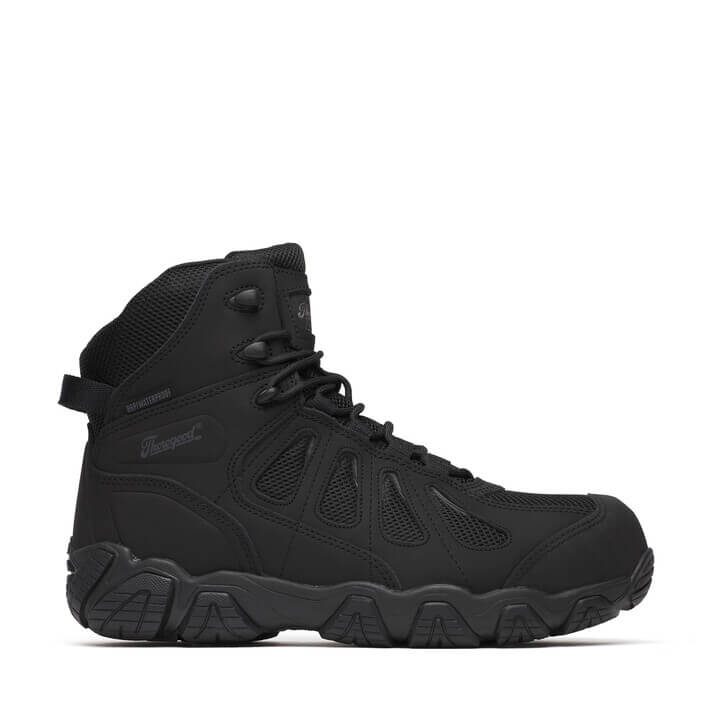
Why roofers reach for it on wet and unpredictable days
The Crosstrex line is made for rough environments but refuses to feel stiff or heavy. That matters when rain hits halfway through a job or decking stays slick longer than expected. The 6-inch waterproof version with a composite safety toe blocks water, breathes well, and keeps you moving instead of fighting your boots. Official specs back it up with BBP waterproofing, a composite shank, and the Crosstrex 360 outsole. Real traction. Real structure. No fluff.
Key features
- Waterproof membrane with BBP resistance
- Composite safety toe and shank
- Crosstrex 360 outsole built for jobsite grip
- Lighter and more flexible than most work boots
Great use case
One pair that survives wet mornings, rain delays, and mixed surfaces without slowing you down.
2) KEEN Flint II
Fast on ladders, easy on your legs, built for movement
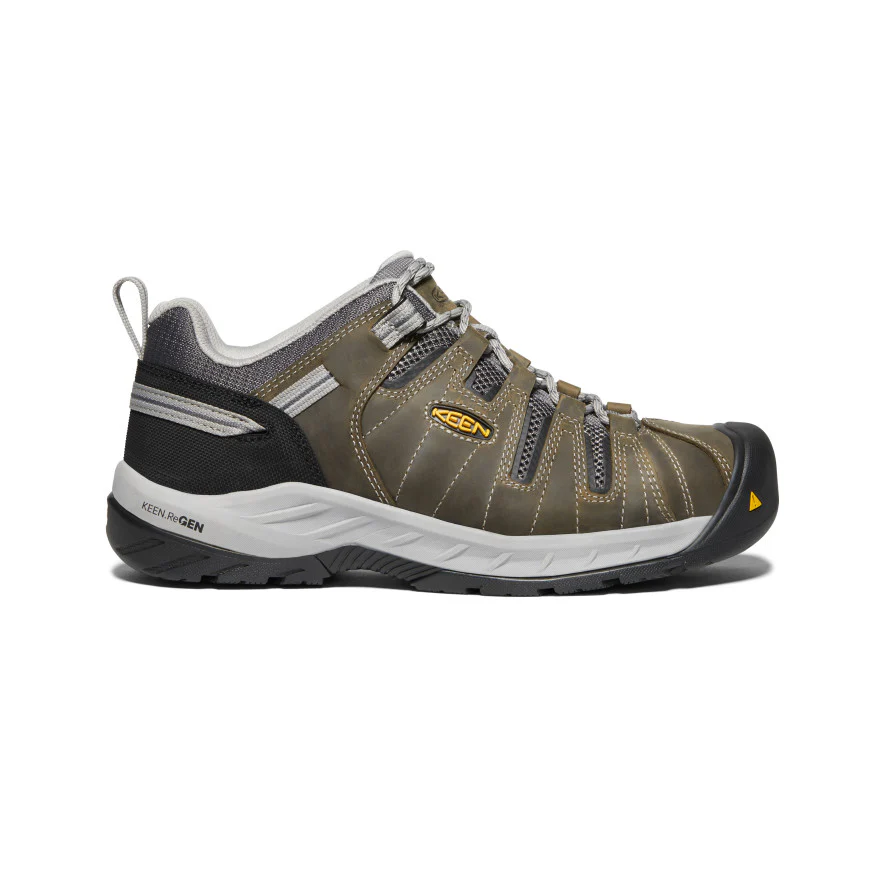
Why agility-first roofers swear by it
The Flint II feels closer to a hiking shoe than a traditional boot, and that is the point. Less weight. More flex. Better breathability. Slip-resistant rubber soles built for slick conditions translate perfectly to dusty or damp shingles. KEEN highlights up to 50 percent energy return from the KEEN.ReGEN midsole, paired with moisture-wicking liners that keep feet from overheating during long shifts.
Key features
- KEEN.ReGEN cushioning for long-day energy
- Slip-resistant outsole
- Breathable, moisture-managing liner
- Safety toe or soft toe options
Great use case
Roofers who climb constantly, move fast, and want traction without bulky boots dragging them down.
3) Merrell Moab Speed 2 Mid GTX
Hiking tech that quietly dominates real roofing conditions
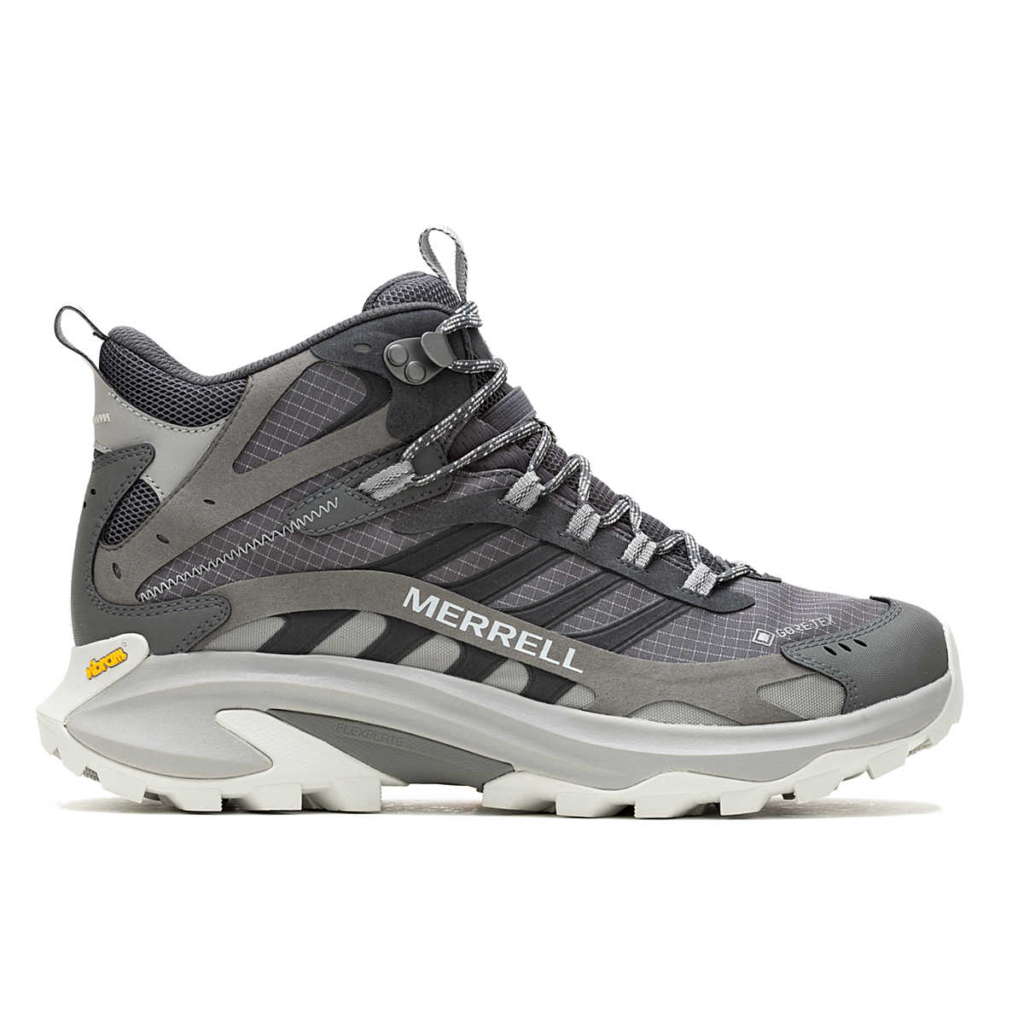
Why this boot keeps earning trust on roofs
The Moab line has decades of outdoor credibility, and the Speed 2 Mid keeps what works. Vibram TC5+ outsoles grip dusty shingles. FlexPlate support stabilizes without locking your foot. GORE-TEX keeps water out without trapping heat. The result is control on uneven surfaces and dry feet when dew or rain shows up uninvited.
Key features
- Vibram TC5+ outsole
- GORE-TEX waterproof membrane
- FlexPlate stability without stiffness
- Extra underfoot cushioning
Great use case
Roofers working across shingles, decks, and mixed terrain who want one reliable pair for changing conditions.
4) Cougar Paws Performer
Designed for shingles. Nothing else.
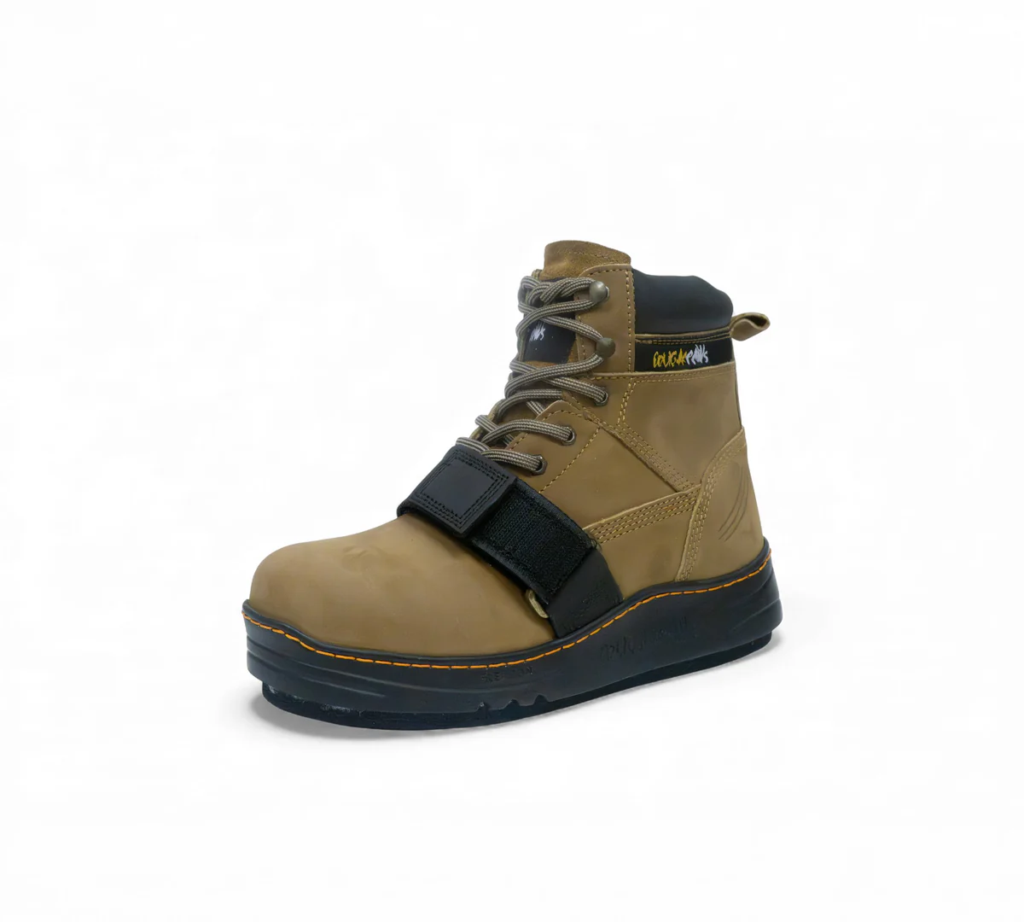
Why roof-specific traction can beat everything
Cougar Paws does not try to be versatile. The Performer exists for one reason. Staying stuck to shingles. Patented traction pads, a flexible upper, and an adjustable stability strap all focus on control where it matters most. It is not a modified work boot. It is roofing gear built by a brand that understands steep-slope reality.
Key features
- Patented roofing traction pads
- Adjustable stability strap
- Roof-contact focused construction
- Materials designed to reduce heat buildup
Great use case
Roofers who spend most of the day on steep shingle roofs and want maximum grip above all else.
5) Timberland PRO Boondock
The tank that shows up when conditions get brutal
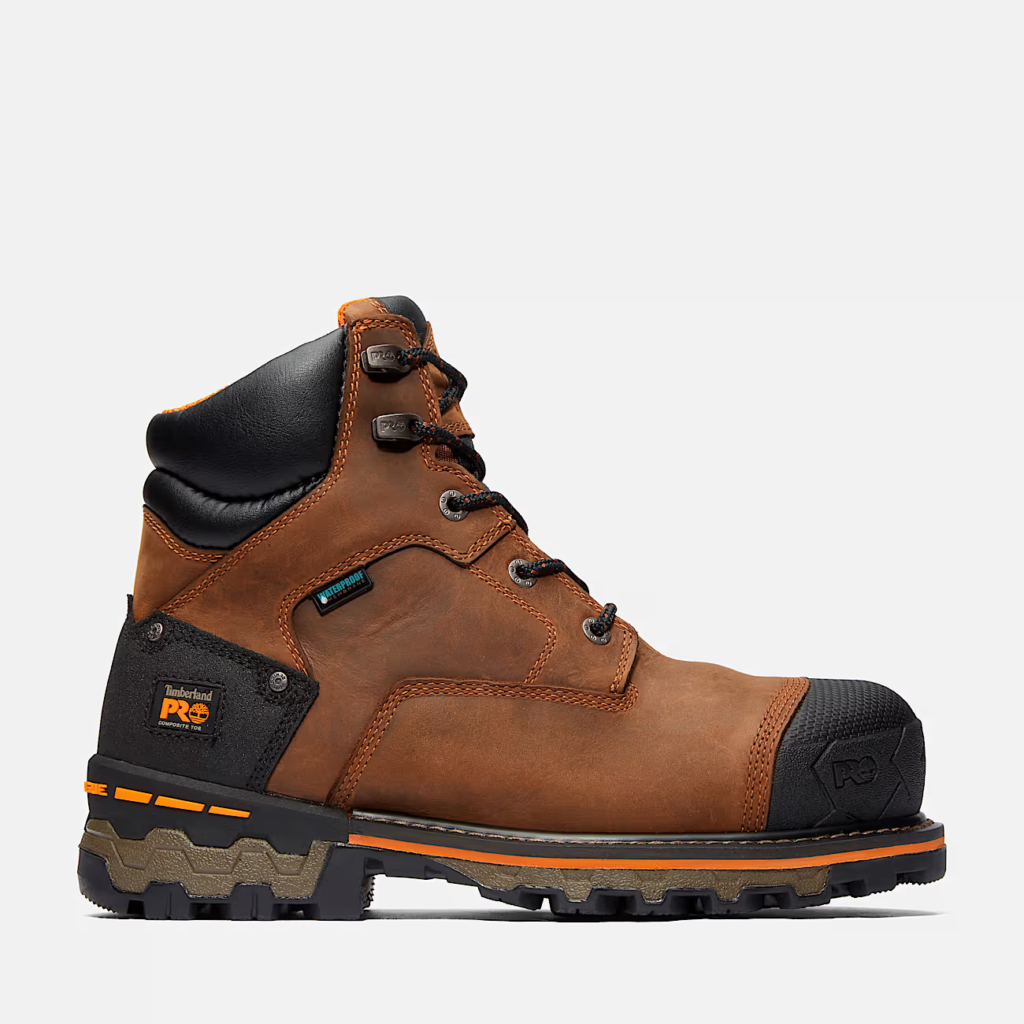
Why heavy protection still matters
When the job means cold mornings, heavy rain, debris, or unpredictable footing, the Boondock earns its weight. Composite safety toe. Waterproof leather. Electrical hazard protection. Anti-fatigue footbed. All-weather TPU outsole built for traction in extreme conditions. This is protection-first footwear backed by official specs, not marketing claims.
Key features
- Composite safety toe and waterproof construction
- Electrical hazard protection and heel stability
- Slip-, oil-, and abrasion-resistant outsole
- Anti-fatigue cushioning and odor control
Great use case
Roofers working year-round in rough climates who need protection they can trust more than lightness.
Your Feet Decide Whether You Finish the Job
On a roof, everything starts at ground contact.
Grip buys you confidence. Comfort buys you focus. Protection buys you time in the trade. The wrong shoes do the opposite. They drain energy, steal balance, and turn small mistakes into close calls.
The best roofers do not gamble on footwear. They choose shoes the same way they choose tools. Based on conditions, not marketing.
If you are going to invest in one thing that shows up every single day, make it the thing between you and the roof.
And if you want fewer dropped leads to go with fewer close calls, tighten the system behind your work too. ProLine keeps every call, follow-up, and next step in one place so nothing slips, on the roof or in the office.
Upgrade the shoes.
Upgrade the system.
Book a ProLine demo and keep control from the roofline to the close.
FAQs
What type of shoes do most professional roofers wear?
Most professional roofers wear footwear designed specifically for traction and long hours on sloped surfaces. That usually means roofing-focused boots or work shoes with slip-resistant rubber outsoles, flexible midsoles, and enough support to handle ladders and uneven pitch without fighting the foot.
Are roofing shoes really safer than regular work boots?
Yes. Regular work boots are designed for flat ground and jobsite walking. Roofing shoes are built to maintain surface contact on shingles and slick materials, which helps reduce slip risk when balance matters most.
Should roofers wear boots or low-cut shoes?
It depends on how you work. Boots offer more ankle support and protection in rough or wet conditions. Low-cut shoes provide better mobility and less fatigue for roofers who move fast and climb constantly. Many crews keep both and rotate based on the job.
How often should roofing shoes be replaced?
Most roofers replace shoes every 6 to 12 months, depending on workload and surface type. Worn traction is a safety issue, not just a comfort issue. If grip starts to fade, it is time to replace them.
Are steel-toe shoes necessary for roofing?
Not always. Composite or reinforced toes are often preferred because they are lighter and do not transfer heat or cold as aggressively. The key is protection without sacrificing mobility or balance.