Are you looking for a suitable roof franchise CRM? Franchising is quickly becoming one of the most effective ways to scale a company. Instead of opening every new location yourself, you empower local operators to run businesses under your brand while following your systems and processes. On paper, the model sounds pretty simple. In reality, running a franchise network introduces a new layer of operational complexity.
Managing one roofing company means tracking leads, proposals, and jobs for a single office. But managing a franchise network means overseeing those same activities across multiple independent businesses at once. Franchising opportunities are financially rewarding… but risky!
Each location has its own sales team, production schedules, and customers, yet all of them represent the same brand. That’s why there are over 96,000 roofing contractors in the US, but not all of them are interested in starting a franchise (yet they may join one with much gusto).
This is where many roofing companies discover a technology gap. The CRM that worked perfectly for a single office suddenly struggles to support a growing franchise system.
To solve this problem, many platforms offer something called an Enterprise Hub. But as franchise networks grow, a different approach often proves more powerful: Super Admin systems. Understanding the difference between the two can help franchisors choose technology that supports long-term growth instead of slowing it down.
Why Franchise Networks Break Traditional CRM Systems
Most CRM platforms in the roofing industry were designed for individual contractors or small regional companies. They help teams track leads, build proposals, manage jobs, and keep customer communication organized. Those features work well when one company is using the system.
But franchising introduces a new operational structure. Instead of one team using the CRM, multiple independent operators are working inside the same brand ecosystem. Each franchise location generates its own leads, closes its own jobs, and manages its own customer relationships. Just imagine how common it is for clients to overstate the sizes of their roofs; with a franchise, this problem becomes tenfold greater, giving everyone a headache.
At the same time, the franchisor still needs visibility into what is happening across the network. Leadership teams want to understand which locations are performing well, which may need additional support, and whether the brand is being represented consistently.
Without the right software structure, franchisors often rely on manual coordination to gather that information. Reports come through emails or spreadsheets. Leadership teams jump between accounts trying to locate customer information or sales data. The process quickly becomes inefficient as the network grows. What you need is a proper roofing-oriented CRM!
What an Enterprise Hub Actually Does
Enterprise hubs are designed to bring multiple locations under one CRM environment. In most platforms, they allow corporate teams to view reporting data from each branch while giving individual offices their own pipelines and job tracking systems.
For companies that operate several centrally managed offices, this structure can work well. Corporate leadership gets visibility into performance while each branch still operates independently. So, nobody loses their independence, but nobody’s left hanging out to dry.
However, franchise systems introduce a different set of requirements.
Franchisees are independent entrepreneurs who operate their own businesses while still representing the larger brand. Because of this structure, franchisors need more than basic reporting. They need the ability to guide systems, enforce brand standards, and support franchisees quickly when issues arise. This is where Super Admin systems begin to stand apart.

What Makes Super Admin Different
ProLine’s Super Admin system adds a control layer above individual franchise accounts. Instead of simply viewing data across multiple locations, franchisors gain tools that allow them to oversee and manage the entire network.
Carnie Fryfogle, CEO of CR3 American Exteriors, has described this capability in simple terms. As he explained when discussing Super Admin functionality, “We always joke, we call it God Mode. It gives us the ability to control everything. It gives us visibility over the portfolio.”
That visibility and access becomes especially valuable as the number of franchise locations increases. Instead of jumping between accounts with outdated login information or requesting reports from each franchisee, leadership teams can monitor the entire network from one place.
According to Fryfogle, tools like this are becoming increasingly important as franchise systems grow. He noted that “as this thing continues to advance, it’s going to be a superpower that if you’re not on it, you’re going to be left behind.” In other words, the ability to oversee and support multiple businesses from a single system may soon become essential for roofing franchise brands.
Protecting the Brand While Empowering Franchise Owners
One of the biggest challenges in franchising is balancing consistency with independence. Franchisees are entrepreneurs. They want flexibility to adapt their sales approach and pricing strategies to their local market. At the same time, the franchisor must ensure that the brand looks professional and consistent everywhere customers encounter it. Without guardrails, problems can appear quickly.
- Proposal formats may change from location to location.
- Sales messaging may drift.
- Customer communication styles may vary between markets.
Over time, these differences can weaken the brand. Super Admin systems help solve this problem by allowing franchisors to lock down certain elements of the workflow while leaving others flexible. For example:
- Franchisors can maintain consistent proposal templates, communication formats, and branding guidelines across every location.
- Franchisees still have room to adjust pricing or operational decisions that reflect the realities of their local market.
This balance allows franchise systems to maintain professionalism without limiting the entrepreneurial energy that makes franchising successful.

Faster Onboarding for New Franchise Locations
Growth is one of the primary goals of a franchise system. However, each new location adds operational work for the franchisor. Every franchisee needs access to the same systems that power the rest of the network. That includes pipelines, templates, workflows, and automation tools.
Without centralized deployment, setting up those systems can become repetitive. Teams often rebuild pipelines, proposal templates, and automation rules for each new location.
As a franchise network grows, this process becomes increasingly time-consuming. Super Admin systems simplify onboarding by allowing franchisors to deploy their operational setup across new accounts quickly.
Instead of recreating systems repeatedly, the franchisor builds the structure once and then launches it for new locations when they join the network. This approach helps new franchisees get started faster while ensuring everyone begins with the same proven processes.
Helping Franchisees Without Jumping Between Systems
Franchise leadership teams often spend time helping franchise owners solve problems. A franchisee might need help reviewing a proposal, troubleshooting a customer issue, or understanding why a deal stalled.
- Without centralized visibility, supporting that franchisee can require multiple steps.
- Leadership teams may need login credentials, account access, or manual explanations before they can even see the relevant project.
A Super Admin system streamlines this process by allowing leadership teams to search across the entire network and locate the information they need quickly. The ability to jump directly into a job or customer record makes it easier to provide timely support. And when franchisees receive faster support, they often resolve issues more efficiently and close more jobs.
The Role of Communication in Franchise Operations
Technology alone does not solve operational challenges. The way teams communicate inside that technology matters just as much.
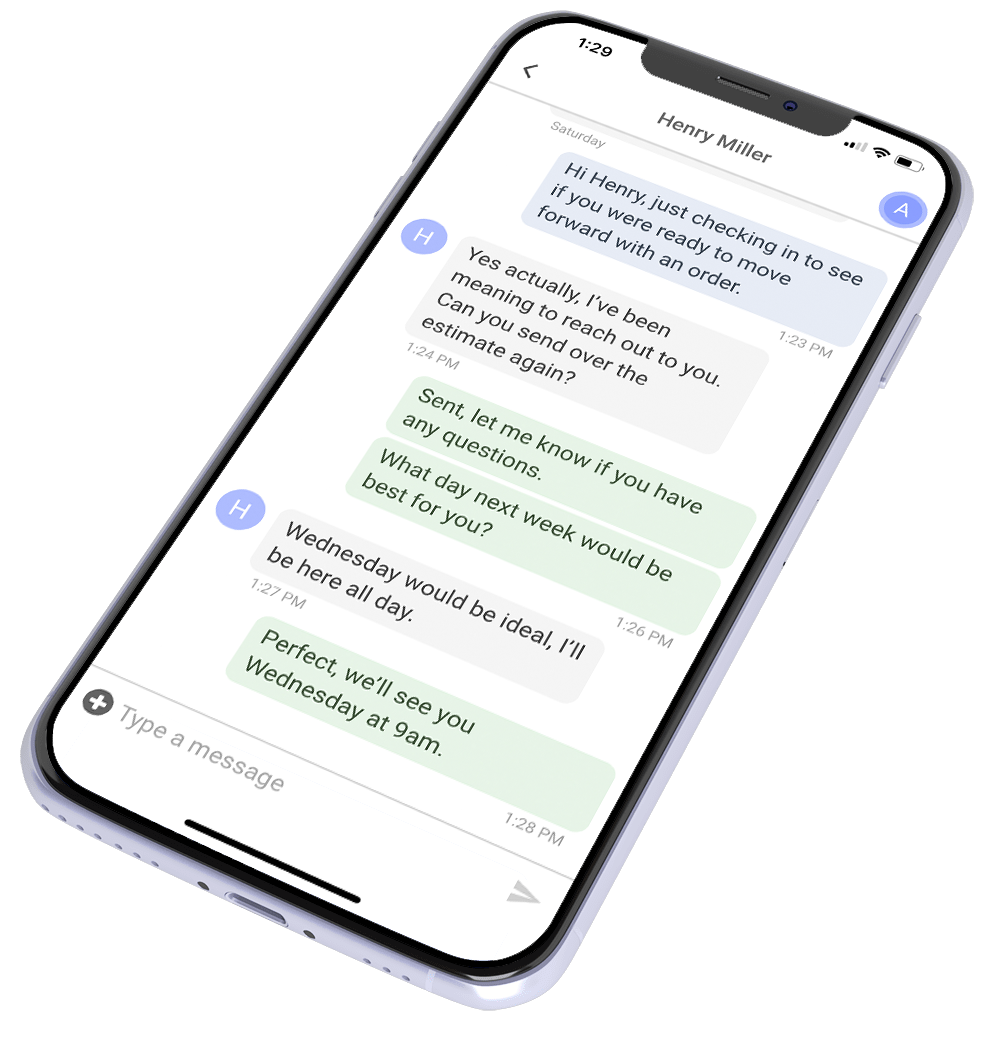
A communication-first CRM helps ensure that everyone involved in a roofing project stays aligned. Sales teams track leads clearly. Production teams understand job timelines. Office staff can monitor progress without constant phone calls or emails.
When that communication system extends across an entire franchise network, the benefits multiply. Franchise owners gain better visibility into their operations. Leadership teams can provide faster support. Customers receive clearer updates about inspections, estimates, and installations.
Platforms like ProLine focus heavily on this communication-first philosophy. The goal is to help contractors manage projects smoothly, sell more jobs, and keep the business organized enough that owners still have time for life outside work. In other words, the system should help you grow the business while still making it possible to make it home for dinner.

Choosing the Right CRM Structure for a Franchise Brand
Enterprise hubs provide useful reporting capabilities for multi-location companies, but they stop short of giving franchisors the control they need. Super Admin systems take the concept further by providing visibility, deployment tools, and centralized oversight across the entire network.
For roofing companies planning to grow through franchising, choosing the right CRM structure can determine how smoothly that growth unfolds. The right system helps leadership teams support franchisees, maintain brand consistency, and track performance without relying on spreadsheets or manual coordination.
And when operations run smoothly, everyone in the network benefits, from the franchisor guiding the brand to the franchisee closing the next roofing job.
So, are you ready to sell more roofing jobs and take a demo drive of our CRM?
FAQs | Roof Franchise CRM
What is a roofing franchise CRM?
A roofing franchise CRM is a customer relationship management system designed to support multiple franchise locations under one brand. It helps franchisors monitor operations across the network while franchisees manage leads, proposals, and jobs at the local level.
What is the difference between Enterprise Hub and Super Admin?
An Enterprise Hub typically allows companies to view reporting data across multiple locations. A Super Admin system adds deeper control, allowing franchisors to oversee workflows, access accounts quickly, and maintain consistency across the franchise network.
Why do roofing franchises need specialized CRM tools?
Franchise systems involve multiple independent operators working under one brand. Specialized CRM tools help maintain visibility, enforce brand standards, and simplify onboarding for new franchise locations.
How does a Super Admin system help franchisors support franchisees?
Super Admin tools allow leadership teams to access project data across the network quickly. This makes it easier to help franchisees troubleshoot issues, review proposals, and provide guidance without waiting for manual reports.
What should franchisors look for in a roofing franchise CRM?
Franchisors should look for systems that provide network-wide visibility, strong communication tools, consistent templates, easy onboarding for new locations, and the ability to support franchisees efficiently as the network grows.