Some roofing jobs go quiet after completion, while others come back loud. You may get a text about a leak, a call after a storm, or a homeowner asking why something “doesn’t look right.”
The difference usually isn’t craftsmanship alone. Instead, it’s usually the material choice.
If you’ve wondered why some roofing companies deal with constant callbacks while others move cleanly from job to job, it’s not luck. It’s not marketing. It’s what they install… and how they document and communicate those choices.
This guide breaks down the five best roofing shingles that consistently reduce callbacks, protect margins, and help roofers grow without burning time on rework.

Don’t Choose the Cheapest Option That “Meets Code”
Code compliance is not performance. It’s the floor, not the finish line.
A shingle can technically meet code and still fail in the real world. That’s where many callbacks are born. Minimum standards don’t account for long heat cycles, sudden temperature swings, sustained wind uplift, or repeated hail impact. They only confirm that a product barely meets the installation requirements.
And roofs don’t fail in ideal conditions. Instead, they fail under stress.
According to the National Roofing Contractors Association (NRCA), proper material selection must factor in local climate, roof slope, expected exposure, and service conditions, not just cost or availability.
Here’s what “meets code” often ignores:
- South-facing roofs that bake under constant UV exposure
- Steep slopes that amplify wind uplift
- Hail-prone regions where impact resistance matters more than price
- Older homes where ventilation isn’t ideal, and materials take more abuse
A low-cost shingle might pass inspection on day one. But after a few summers, a rough winter, or one bad storm, problems show up. Granules loosen. Tabs lift. Seal strips fail. And when they do, the homeowner doesn’t call the manufacturer, so they call you.
That’s where the real cost shows up.
Cheap shingles might save a few hundred dollars at installation. They often cost thousands later in unpaid labor, return trips, damaged reviews, and lost referrals. Worse, they train homeowners to associate your company with problems that weren’t truly caused by workmanship.
But here’s what you should remember. Smart roofers don’t choose materials based on what passes inspection. They choose materials based on what survives reality.
They match shingles to the climate, exposure, slope, and other environmental factors. They document that decision clearly, so everyone understands why that product was chosen and what performance to expect.
That’s how callbacks stay low and your profit margins stay protected.
The 5 Best Roofing Shingles for the US Market
You shouldn’t go for trendy picks. Always choose the top performers in your field. That’s what this blog is about; we’ll tell you all about the best roofing shingles homeowners love!
Pay no attention to influencer lists or manufacturer hype. No “newest on the market” bias. The shingles below have earned their place because they perform under pressure across climates, seasons, and years of real exposure.
The right shingle does more than keep water out. It protects your schedule from rework, your margins from unpaid labor, & your reputation from preventable failures. Therefore, when those choices are made intentionally and documented clearly, they turn one install into years of quiet performance instead of years of follow-up calls.
Shingle #1: Architectural Asphalt Shingles
Architectural asphalt shingles are the standard for a reason. They outperform basic three-tab shingles in wind resistance, thickness, and longevity. According to the U.S. Department of Energy, thicker asphalt shingles provide better resistance to thermal cycling & UV degradation, making them ideal for your clients’ residential shelters and office spaces.
Why they reduce callbacks
- Higher wind ratings reduce blow-offs
- Multi-layer construction hides minor imperfections
- Better granule adhesion slows aging
Why they protect margins
- Easy to source
- Familiar install process
- Strong homeowner acceptance
When documented properly, architectural shingles create predictable outcomes. ProLine helps roofers lock in those outcomes by tying material type, manufacturer specs, and photos directly to the job record, so there’s no confusion months later.
Shingle #2: Class 4 Impact-Resistant Shingles
However, in hail-prone regions, standard asphalt is a gamble. Your Class 4 impact-resistant shingles are tested using the rigorous steel ball drop standards that were established by the UL (Underwriters Laboratories), measuring resistance to hail-like impacts.
Why they reduce callbacks
- Fewer cracked or bruised shingles after storms
- Better granule retention
- Stronger mat construction
Many insurers offer premium discounts for Class 4 roofs, making them easier to justify during estimates. ProLine helps you document impact ratings and inspection photos, so homeowners understand exactly what they paid for… and why it matters when the next storm hits.
Shingle #3: Metal Shingles
Metal shingles aren’t about speed. They’re about permanence. The Metal Roofing Alliance reports that metal roofs commonly last 40 to 50 years, significantly longer than traditional asphalt.
Why they reduce callbacks
- Resistant to wind, fire, rot, and insects
- Shed snow and water efficiently
- Minimal material degradation
Why they increase profit
- Higher ticket size
- Fewer post-install issues
- Strong referral value
Roofers using ProLine can track long-term performance across metal installs and compare callback frequency against other materials, turning experience into data-backed selling.
Shingle #4: Composite / Synthetic Shingles
Composite shingles are engineered to mimic slate or wood while avoiding their weaknesses. According to ASTM testing standards, many synthetic shingles meet high ratings for impact, fire resistance, & weather durability.
Why they reduce callbacks
- Lightweight reduces structural stress
- Consistent manufacturing reduces defects
- Strong resistance to cracking and warping
Also, they offer premium aesthetics without premium maintenance. That combination leads to fewer complaints and better long-term satisfaction. ProLine helps roofers clearly communicate these tradeoffs (imagine appearance, durability, lifespan, and a lot more) inside the estimate instead of relying on verbal explanations that get forgotten.
Shingle #5: Natural Slate
Slate is not common… and that’s the point. But here’s a solution that you need to install just once and then forget about it, making it your second generation’s headache. The City of Fort Wayne, IN, notes that properly installed slate roofs can last 75 years to over a century. You won’t have to worry about replacing it, and this justifies the higher pricing of these tiles:
Why callbacks disappear
- Fireproof
- Resistant to rot and insects
- Extremely stable in temperature swings
Slate jobs demand experience and documentation. ProLine keeps installation notes, warranty details, and inspection photos tied to the property so questions don’t surface years later without answers. If your clients are okay with the pricing, Slate is the best option for them!
The Real Cause of Callbacks: When Good Materials Meet Bad Systems
Most callbacks don’t start with a failed shingle. They begin with confusion. Here’s what happens:
They start with confusion.
- A homeowner forgets what was installed
- Warranty details aren’t clearly explained or recorded
- Inspection photos live on a phone no one can find
- A crew member remembers the job differently from the salesperson
Nothing is technically “wrong” here, but you can see that everything feels uncertain from the perspective of your client, i.e., the homeowner. According to the Project Management Institute, poor communication is one of the key contributors to project failure across industries; it’s responsible for some 56% of failed projects in roofing & construction.
Even when you choose the right shingle, the absence of a system creates friction. Homeowners start asking questions you’ve already answered. Crews hesitate because expectations aren’t clear. Small misunderstandings turn into service calls that never should’ve happened.
This is where structure changes everything.
How ProLine Helps You Sell More Roofing Jobs
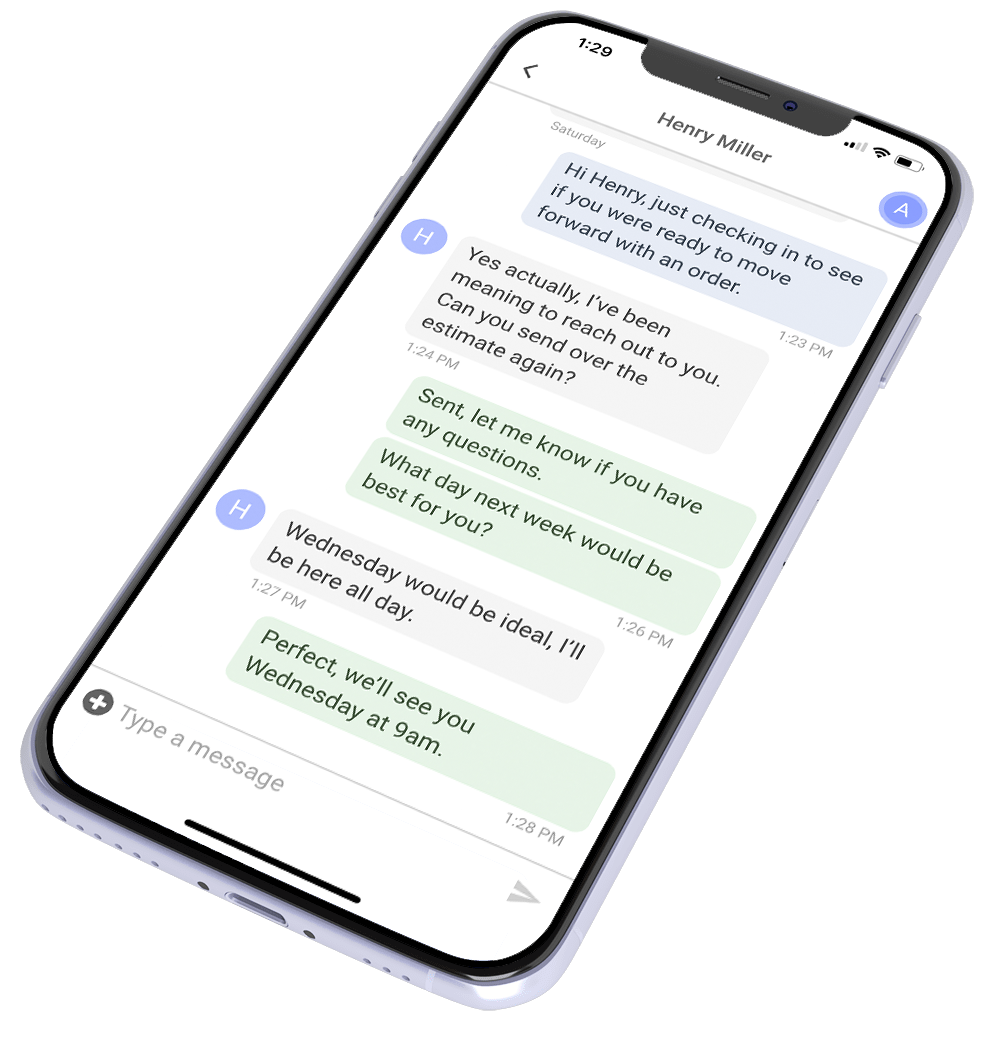
A communication-first CRM like ProLine doesn’t just store information; it removes ambiguity. Every job has a single source of truth. Material selections are tied to the address. Photos are attached to the inspection. Warranty timelines are visible. ProLine keeps:
- Material selections documented
- Photos and inspection notes tied to the job
- Warranty terms and timelines are easy to reference
- Follow-up tasks visible and automatic
When systems replace memory, callbacks slow down.
And when shingle choice and systems align, the impact shows up quickly.
Jobs stop stalling because everyone knows what’s next. Crews arrive prepared, not guessing. Homeowners feel informed instead of anxious. Questions decrease. Trust increases.
That discipline creates momentum. That’s how smart material choices turn into real profit. Not through luck. Through systems that support the work long after the shingles are installed.

Build Roofs That Stay Quiet… and Businesses That Grow
Callbacks aren’t random, since they’re predictable. When you choose the right shingles, document decisions, and communicate clearly, roofing becomes calmer, cleaner, and more profitable. Therefore, ProLine, our communication-first CRM, helps you:
- Sell more jobs
- Reduce callbacks
- Stay organized
- And still make it home for dinner
Book a ProLine demo and see how better systems turn good installs into long-term growth. Are you ready to get started with ProLine to expand your business effortlessly?
FAQs | Best Roofing Shingles
Which roofing shingle has the fewest callbacks?
Materials that have the fewest callbacks are matched to your client’s native climate, such as impact-resistant shingles in hail zones or metal in harsh climates.
Are expensive shingles always better?
No, expensive shingles aren’t always better. The performance of roofing shingles depends on fit, installation, and documentation. Price is just one factor.
Do impact-resistant shingles really matter?
Yes, impact-resistant shingles matter, especially in storm-prone regions. They significantly reduce post-storm damage claims.
How can roofers reduce callbacks beyond materials?
Roofers can reduce callbacks via clear documentation, homeowner education, and follow-up systems.
Is a CRM really necessary for roofing?
Once volume increases, memory fails. CRM systems keep jobs organized and protect margins.