Roofing has always been a craft built on experience, but the way successful contractors operate today looks very different from how things worked even ten years ago.
Homeowners expect faster communication. Insurance carriers demand better documentation. Material prices fluctuate. Labor shortages continue to pressure production schedules. In other words, the margin for error has shrunk.
A roof that was installed “good enough” a decade ago might not pass today’s inspections, and a contractor who runs jobs casually can fall behind competitors who operate with structure.
That is why the best roofing practices in 2026 focus on more than just installing shingles correctly. They combine craftsmanship, safety protocols, communication systems, and project organization into a repeatable process that protects both the roof and the business behind it.
Experts are saying that modern trends like “geometric roof lines, low slope roofs, [a] mix of stone, wood, steel, metal roofing with some modern metal siding/cladding [and] metal clad windows [with] larger amounts of glass” will dominate the industry. In a large and competitive industry like this, contractors who follow modern best practices consistently deliver better results… and build stronger reputations. So, let’s check out the best practices for 2026.
Start Every Job With a Structured Inspection
A professional roofing project begins long before materials arrive at the job site. The inspection stage sets the tone for everything that follows. Contractors who rush through this step often miss structural problems that later become costly surprises.
In 2026, the best roofing inspections follow a structured process that captures both measurements and condition data. A reliable inspection typically includes:
- Documenting each roof slope with photos
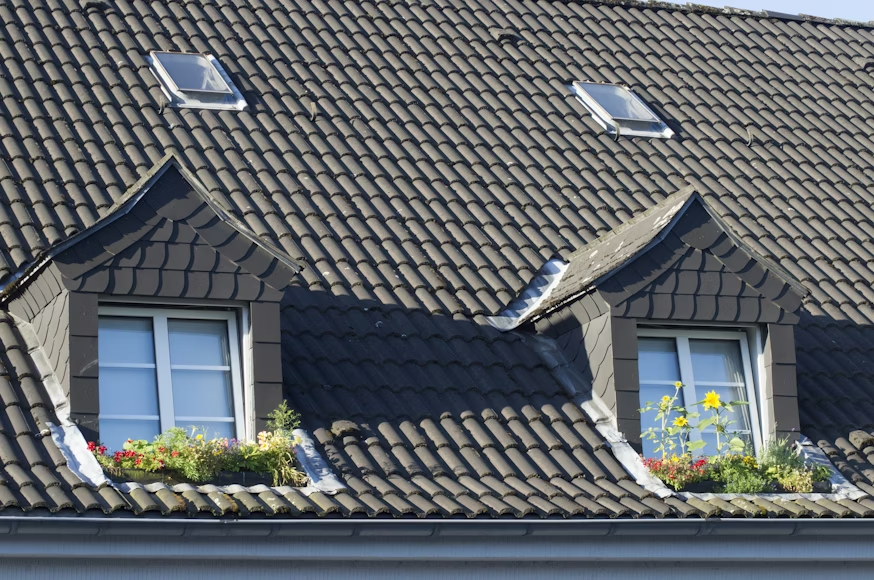
- Checking flashing around chimneys and penetrations
- Identifying ventilation problems
- Inspecting gutters for granule loss
- Evaluating decking condition and moisture risk
The goal is not just to measure the roof but to understand how the entire system performs. Homeowners benefit from this level of clarity because they can see exactly why repairs or replacement are necessary.
Insurance carriers also appreciate clear documentation when reviewing claims.
Many contractors now use aerial imagery or drone photos during inspections because these tools capture detailed visuals without exposing estimators to unnecessary safety risks.
A structured inspection protects both the contractor and the customer by removing guesswork from the earliest stage of the project.
Follow Modern Safety Standards on Every Job
Safety has always been a concern in roofing, but enforcement and awareness have increased significantly in recent years. Roofing remains one of the most hazardous occupations in construction, leading to 110 deaths in 2023.
Because of that risk, the best roofing practices in 2026 place safety at the center of every project. Professional contractors now standardize several safety measures:
- Fall protection systems on steep slopes
- Proper ladder stabilization
- Clear jobsite communication between crew members
- Weather monitoring before installation begins
- Protective gear, including harnesses and anchors
These precautions are not just regulatory requirements. They protect crews from injury and protect companies from costly liability claims.

Use High-Quality Underlayment and Waterproofing
Another major shift in roofing standards involves the materials installed beneath the shingles. In earlier decades, contractors sometimes treated underlayment as a basic protective layer. Today, it is recognized as one of the roof’s most important moisture barriers.
Modern best practices recommend durable synthetic underlayment and waterproof membranes in high-risk areas such as valleys and roof penetrations. These materials provide additional protection if wind-driven rain or ice dams allow water to reach the deck.
While these materials add modest cost to the installation, they significantly reduce the likelihood of leaks and structural damage. Contractors who prioritize strong waterproofing systems often experience fewer warranty issues and happier customers. No wonder high-quality installations and stellar customer care are two of the most important pillars of roofing in 2026.
Communicate Clearly With Homeowners Throughout the Project
Roofing work can feel stressful for homeowners because the project affects their home’s protection and involves significant expense. Clear communication is, therefore, one of the most valuable practices contractors can adopt in 2026. Professional roofing companies update homeowners at key milestones throughout the project. Examples include:
- Confirming the inspection appointment
- Notifying homeowners when materials arrive
- Announcing the start date for the crew
- Providing progress updates during installation
- Confirming final cleanup and inspection
This communication reduces uncertainty and builds trust. It also prevents the common frustration homeowners feel when contractors disappear between steps.
Many roofing companies rely on communication-first CRM systems like ProLine to manage these updates. When calls, texts, and job notes stay organized in one place, you can respond quickly without losing track of important details.
Maintain Organized Job Documentation
Modern roofing projects involve far more documentation than they once did. Insurance claims, material orders, estimates, photos, warranties, and inspection notes all generate important records. Contractors who manage this information carefully operate far more efficiently than those who rely on memory or scattered files. Organized documentation helps contractors:
- Track project timelines
- Verify installation details
- Respond to insurance questions
- Resolve warranty concerns
- Provide clear records to homeowners
This level of organization also improves communication between sales teams and production crews. When everyone has access to the same job file, mistakes become less common. In other words, the systems that centralize project information allow contractors to move quickly without sacrificing accuracy.
Train Crews Consistently
Even the best roofing plans can fail if crews are not trained consistently. Roofing techniques evolve as materials improve and building standards change. Contractors who invest in crew education stay ahead of these changes while reducing costly installation errors. Training may include:
- Manufacturer certification programs
- Safety workshops
- Installation demonstrations
- Equipment training sessions
Many manufacturers offer educational programs that teach proper installation techniques for specific roofing systems. Contractors who complete these programs often qualify for extended warranty options and preferred contractor status.
More importantly, well-trained crews install roofs that perform reliably for years. Consistent training turns individual skill into a repeatable quality.
Schedule Jobs Realistically
One of the most overlooked best practices in roofing involves scheduling. Contractors promise aggressive timelines to win jobs in some cases. Unfortunately, weather delays, crew availability, and material deliveries often disrupt those schedules.
- When timelines slip unexpectedly, both homeowners and crews become frustrated.
- Successful contractors plan projects with realistic buffers built into the schedule.
- They also communicate potential weather delays early rather than waiting until the last minute.
- This approach prevents misunderstandings and protects the company’s reputation.
- Homeowners rarely expect perfection, but they do expect honesty.
Use Technology to Stay Organized and Responsive
Roofing companies today operate in a fast-paced environment where responsiveness can determine who wins the job. Homeowners frequently contact multiple contractors when seeking estimates. The company that responds first with clear information often has a significant advantage. Technology plays an important role in maintaining that responsiveness.
Inspection tools, aerial imagery, measurement software, and project management systems allow contractors to organize work more efficiently. That efficiency helps contractors close more jobs while maintaining the level of organization needed to manage multiple projects at once. Just make sure your clients are comfortable with drones, unlike that Texas man who shot a drone that was taking pictures of his roof. Client consent is extremely important here!
Key Roofing Trends 2026 to Look Out For
Check out these latest trends for modern roofers who wish to expand their business in 2026.
- Sustainable & energy-efficient materials: Homeowners and contractors are increasingly choosing eco-friendly roofing that reflects sunlight, reduces energy costs, and uses recyclable materials. Energy efficiency is becoming a major selling point.
- Advanced roofing products: Synthetic shingles, fire-resistant materials, and impact-rated products are growing in popularity, helping roofs withstand extreme weather and last longer.
- Smart roofing technology: Drones, moisture sensors, and digital inspection tools allow faster measurements, better diagnostics, and predictive maintenance, making every job more precise.
- Labor-saving solutions & prefabrication: With skilled labor shortages, prefabricated roof components and streamlined installation methods save time on-site without compromising quality.
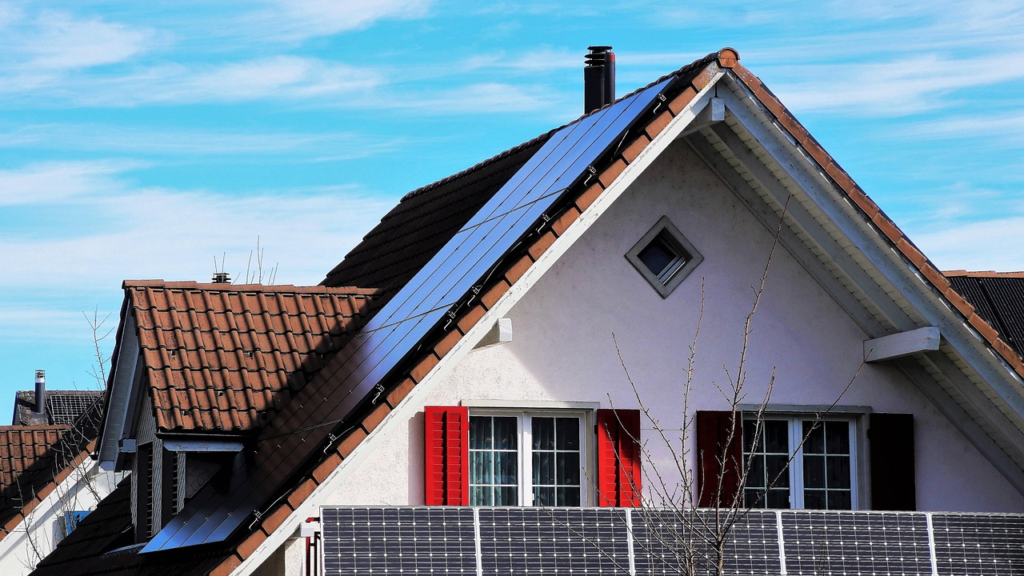
- Solar integration: Solar-ready roofs and fully integrated solar systems are moving from niche to mainstream, offering energy generation and enhanced roof performance in one package.
- Focus on durability & resilience: Contractors are paying more attention to complete roof systems (i.e., ventilation, moisture barriers, and installation best practices) to ensure longevity and withstand severe weather events.

How Modern Roofers Plan to Market Services in 2026
- Post photos and videos of real jobs to build local awareness.
- Highlight customer testimonials on social media to drive engagement.
- Focus on Google Business Profile and local SEO to capture organic leads.
- Run Google and Facebook/Instagram ads with active management.
- Follow up quickly and manage leads rather than letting campaigns run unattended.
- Mix intent-based channels with brand awareness for short- and long-term results.
- Leverage networking and referrals to generate warm leads.
Strong Roofing Practices Build Strong Businesses
A roof protects everything beneath it, which means the way it is installed matters deeply. The best roofing practices in 2026 combine traditional craftsmanship with modern systems that improve safety, communication, and organization.
Contractors who inspect thoroughly, ventilate properly, document their work, and communicate clearly deliver roofs that last longer and customers who feel confident recommending them. At the same time, running a roofing company has become more complex than simply installing shingles.
Keeping inspections, job notes, homeowner messages, and project updates organized requires the right systems behind the scenes. That is where tools like ProLine make a difference. A communication-first CRM helps contractors manage leads, job files, and follow-ups in one place so you can sell more jobs, keep projects organized, and still make it home for dinner.
FAQs | Best Roofing Practices
What are the best roofing practices 2026?
The best roofing practices 2026 focus on structured inspections, proper ventilation, strong waterproofing systems, clear communication with homeowners, & organized documentation.
What safety measures should roofing crews follow?
Roofing crews should use fall protection systems, stabilize ladders properly, monitor weather conditions, and wear appropriate protective gear.
How do roofing companies stay organized during projects?
Many companies use project management software or CRM systems to store inspection photos, estimates, homeowner communication, and job notes in one place.
Do modern roofing standards require new materials?
Not necessarily, but many contractors now use synthetic underlayment and advanced waterproofing membranes because they provide stronger protection than traditional materials.