Door knocking tips remain some of the most sought-after pieces of knowledge among roofers. But successful contractors know it is not just about knocking more doors or using a better script. It is about identifying homeowners who need help, creating trust, and guiding them through a major decision with confidence.
Since most homeowners only replace their roof once or twice in their lifetime, every interaction matters. A strong door-to-door strategy combines the right territory, clear communication, and consistent follow-up to turn conversations into inspections, contracts, and long-term customer relationships. Use this method of free roofing lead generation to your benefit.
Start With Better Territory Selection, Not More Doors
Many roofing companies measure door-to-door success by activity alone. They focus on how many doors a rep knocks each day, but door count by itself does not tell you whether your team is working the right opportunities. A salesperson can knock hundreds of doors in an area with little damage and create very few inspections. Another salesperson can spend less time in a highly targeted neighborhood and generate a much stronger pipeline. The difference usually comes down to preparation.
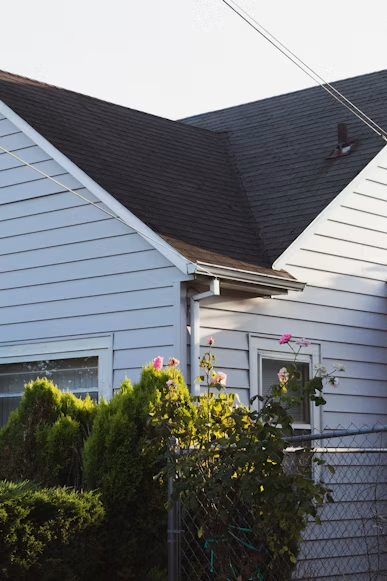
Before sending your team into a neighborhood, understand the area first. Look at recent storm activity, roof ages, visible property damage, and whether nearby homeowners have already started repair projects. A strong territory plan considers factors like:
- Recent hail or wind events
- Homes with older roofing systems
- Visible exterior damage
- Neighborhoods with similar construction dates
- Areas where storm restoration activity has already started
This approach helps your sales team spend more time with homeowners who may actually need assistance instead of treating every door the same.
Understand Why Homeowners Say “Yes”
The biggest mistake roofing salespeople make is assuming homeowners buy because they need a roof. That is only part of the decision.
A homeowner may need a roof, but they still have to decide which contractor they trust. They are comparing companies based on more than price. They are paying attention to how quickly you respond, how clearly you explain the process, and whether they believe your company will take care of them after the contract is signed.
This is where perceived value becomes important.
A roofing company increases perceived value when it helps homeowners feel informed and confident. The contractor who explains the inspection process, answers questions honestly, and communicates consistently gives homeowners a stronger reason to choose them.
The goal of door knocking is not simply generating a lead. The goal is creating the trust that eventually turns a lead into a customer.
Have a Clear Reason for Knocking
One of the easiest ways to lose a homeowner’s attention is making them guess why you are standing at their door.
People are naturally cautious when a salesperson arrives unexpectedly. If your introduction feels vague or overly rehearsed, homeowners will often assume they are about to hear a generic sales pitch. Instead, explain why you are there as quickly and clearly as possible.
For example: “We’re helping homeowners in this neighborhood inspect their roofs after the recent storm. We have already been working with a few properties nearby, and we wanted to see if anyone has checked your roof yet.”
This works because it provides context. You are not randomly asking for their time. You are explaining why the conversation may be relevant. The strongest door knockers do not create pressure. They create curiosity and provide information.
Use Questions Instead of Giving a Long Pitch
Many new roofing reps are trained to memorize a script, but the best conversations rarely follow a script word-for-word. A homeowner’s situation determines where the conversation should go.
Instead of immediately explaining everything about your company, start by asking questions that help you understand their situation. Examples include:
- “Have you had your roof inspected since the last storm?”
- “Do you know how old your current roof is?”
- “Have you noticed any issues with leaks or missing shingles?”
- “Has your insurance company already been involved?”
These questions help homeowners participate in the conversation instead of feeling like they are being sold to. They also give your sales team important information. A homeowner who recently had an inspection has different concerns than someone who has never looked at their roof after a storm.
Good sales conversations are built around listening first.
Train Your Team to Inspect the Opportunity Before the Conversation
A professional roofing salesperson starts evaluating the property before knocking on the door. The outside of the home provides useful information that can help determine whether an inspection may be valuable. Your team should pay attention to signs such as:
- Missing or damaged shingles
- Damaged gutters
- Roof wear and discoloration
- Missing exterior materials
- Visible storm impact
This does not mean a salesperson should diagnose roof damage from the ground. It means they should understand the property context before starting the conversation.
Homeowners appreciate contractors who are observant and prepared. They are less likely to trust someone who appears to be knocking on every door without understanding the neighborhood.
Focus on the Inspection, Not the Immediate Sale
A common mistake in door-to-door roofing sales is trying to close the entire deal during the first interaction. The first conversation is usually not where the contract is won. It is where the relationship begins.
The purpose of the initial door knock is to earn the next step, whether that is scheduling an inspection, gathering information, or setting a time to follow up. When the process feels simple, homeowners are more likely to move forward. Your sales team should clearly explain:
- What the inspection involves
- How long it takes
- What information the homeowner will receive
- What happens after the inspection
Reducing uncertainty helps homeowners feel more comfortable.

Build a Follow-Up System That Does Not Depend on Memory
Many roofing companies lose opportunities because their follow-up process is inconsistent.
A homeowner might have a good conversation with a salesperson but never hear from the company again. Another homeowner may be interested but needs a few days before making a decision. Without a system, those opportunities often disappear.
This is especially expensive in roofing because every job requires significant customer acquisition effort. Unlike industries with recurring purchases, roofing companies cannot rely on monthly revenue from the same customer. Each project matters. A consistent follow-up process should include:
- Inspection reminders
- Updates after appointments
- Answers to homeowner questions
- Regular communication throughout the decision process
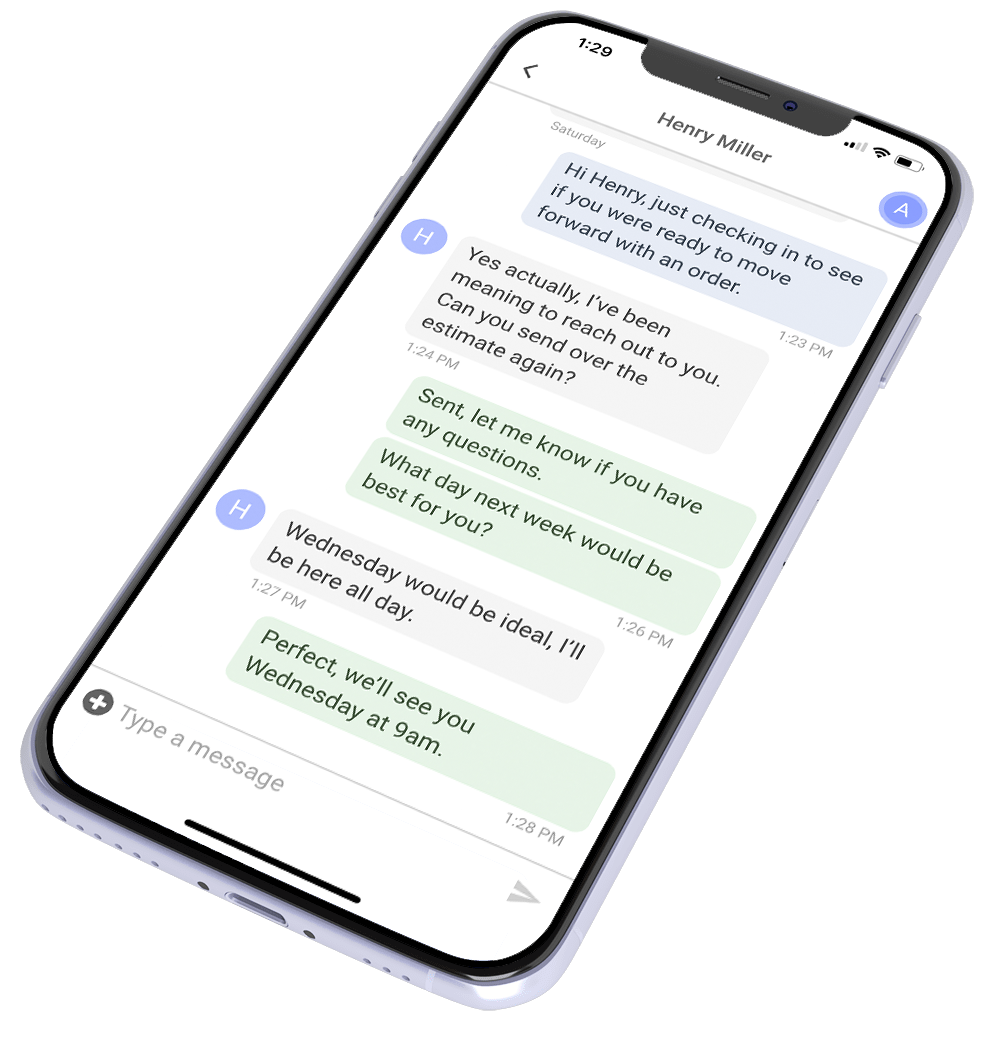
This is where a communication-first CRM becomes valuable. ProLine helps roofing teams keep homeowner conversations organized, track opportunities, and make sure important follow-ups happen at the right time. Better communication strengthens relationships, and stronger relationships help contractors sell more jobs.
Track the Metrics That Actually Matter
Door knocking creates activity, but activity alone does not build a business. Roofing owners should understand what happens after the door is knocked. Important numbers to track include:
- Doors knocked
- Conversations started
- Inspections scheduled
- Estimates presented
- Contracts signed
- Revenue generated
These numbers show where improvements need to happen. If a rep is knocking many doors but scheduling few inspections, the issue may be the approach. If inspections are happening but contracts are not closing, the issue may be presentation, pricing, or homeowner communication.
Reporting gives owners visibility into the entire process instead of relying on assumptions.
The BEST Tips for Door to Door Roofing Sales
Avoid the Most Common Door Knocking Mistakes
- One common mistake is treating every neighborhood and homeowner exactly the same. A homeowner dealing with storm damage has different concerns than someone simply considering a roof replacement in the future.
- Another mistake is focusing too heavily on urgency. While storms create real deadlines, homeowners still need confidence before making a major financial decision. Creating pressure may produce short-term results, but creating trust builds a stronger reputation.
- Finally, many roofing companies fail to connect sales activity with the rest of the business. A conversation at the door should become part of a larger customer journey. Without proper tracking, follow-up, and communication, good opportunities are often lost.
Boost Your Roofing Sales Career with Our Door-Knocking Tips
Door knocking works best when it is treated as the beginning of a relationship, not just a sales tactic. The roofing companies that succeed in competitive markets are the ones that understand their homeowners, create value early, and build systems that keep opportunities moving after the first conversation.
A strong field strategy helps your team find opportunities. A strong communication process helps your company turn those opportunities into revenue. ProLine helps roofing contractors build that process with a communication-first CRM designed to help teams sell more jobs, improve homeowner relationships, and make it home for dinner.
FAQs
How many doors should a roofing salesperson knock each day?
The right number depends on the market, territory, and sales process. Successful roofing companies focus less on raw door count and more on meaningful conversations, inspections scheduled, and contracts generated.
What makes a good roofing door knocking script?
A good script creates an opening conversation instead of forcing a sales pitch. It should explain why you are there, provide value, ask questions, and guide the homeowner toward the next step.
How do roofing companies find good storm neighborhoods?
Roofing companies typically look at recent weather events, visible property damage, roof age, and neighborhood characteristics. The goal is to identify areas where homeowners may genuinely need assistance.