Most contractors don’t have a marketing problem because they lack ideas. They have a consistency problem. One month, referrals keep the schedule full. The next, calls slow down, so the owner raises ad spending, sends the sales team to knock more doors, or tries a new agency. Leads start coming in again, but nobody has a reliable process for handling them. A few weeks later, the pipeline dries up and the cycle starts over.
That kind of swing makes it hard to plan hiring, manage production, and grow profitably. You can’t invest in your business with confidence when you don’t know where next month’s jobs will come from. The answer isn’t always another ad channel. It’s a repeatable contractor marketing system that attracts potential customers, captures their info, builds trust, and keeps the conversation going until they’re ready to decide.
Start With a Contractor Marketing Strategy
Your strategy needs a clear direction before you spend money on ads or try new lead channels. Decide what you want marketing to do, which customers you want to reach, and how you’ll know if it’s paying off. Focus on four areas.

Set Your Marketing Goals
Decide whether you need more qualified leads, a steady flow of estimate appointments, better visibility in a new service area, or more business from past customers. Each goal needs a different approach, so give every marketing activity a clear purpose instead of spreading your budget across channels without a plan.
Identify the Work You Want
Define your most profitable services, target locations, and ideal customers. A roofing company that focuses on full replacements needs a different approach than a general contractor doing renovations or a specialty trade serving commercial properties. Go after projects that fit your services, capacity, and profit goals, not just more leads.
Understand the Customer Journey
Map out how people find you and eventually hire you. They might find you on Google, visit your website, read reviews, submit a form, and book an estimate. Others may call after a neighbor’s referral. Make sure every inquiry goes into one process for recording, assigning, following up, and tracking.
Measure Results That Matter
Website traffic, social engagement, and cost per lead can tell you something, but they don’t show whether your marketing is producing profitable jobs. Track how many inquiries become qualified opportunities, appointments, estimates, and signed contracts. Compare those results with revenue and gross profit to see which channels deserve more investment.
WATCH: The Marketing Strategy Most Roofing Companies Completely Overlook
1. Build a Strong Local Online Presence
Most customers want to check out a contractor before they reach out. They may have seen your truck, gotten a referral, or noticed an ad, but they’ll often look you up to learn more. If your website is outdated, your contact info doesn’t match, or your reviews are thin, it’s harder for people to feel confident choosing you.
Keep Your Google Business Profile Accurate
Your Google Business Profile helps local customers find and size up your company on Google Search and Maps. Keep your category, service areas, hours, phone number, and website accurate. Add real project photos and respond professionally to reviews. Google says local results are mainly based on relevance, distance, and prominence, and that businesses with complete and accurate info are more likely to show up.
Don’t treat your profile as a one-time setup. Update it when your info changes, add new project photos, and make sure the listed services match what your team actually does. Accurate info helps customers see whether you’re the right contractor to call.
Make Your Website Useful
Your website should quickly answer three questions: What do you do? Where do you work? How can someone reach you? Build pages for your main services and key service areas, and include real project examples that show the quality of your work. A visitor shouldn’t have to click through several pages to find your phone number or request an estimate.
Your site also has to work well on phones. Many customers will visit from a phone after finding you through a search, a review, or an ad. Make contact buttons easy to use, keep forms simple, and explain what happens after someone submits an inquiry. A website that attracts visitors but makes it hard to contact you isn’t doing its job.
2. Create a Reliable Lead Generation Mix
Referrals are valuable, but they don’t always show up when you need them. Paid ads can bring in inquiries faster, while local search and content build visibility over time. The goal isn’t to use every channel. It’s to build a manageable mix that supports your goals and gives you more than one source of opportunities.
- Google Search Ads: Reach people who are searching for the services you provide. Build campaigns around specific services and locations, and send visitors to relevant landing pages instead of one generic homepage.
- Local Services Ads: Where available for your trade, these can connect you with customers searching for local contractors. Check eligibility, verification requirements, and lead quality before you commit a budget.
- Facebook and Instagram: Use social ads to introduce your company, promote specific offers, show finished projects, and reconnect with people who’ve already interacted with your business. Real project photos and useful explanations usually give homeowners more to consider than generic sales messages.
- Local SEO: Publish useful service pages and location info so customers can find you through relevant searches. Keep your business info consistent and make it easy to contact you.
- Referrals and neighborhood marketing: Encourage happy customers to recommend you, and use jobsite signs, branded vehicles, and local mailers to build recognition in the communities you serve.

3. Turn Your Website and Content Into Lead-Capture Tools
Getting someone to your website is only part of the job. You also need to give them a clear reason to contact you. A visitor might be comparing contractors, researching costs, or trying to figure out which service they need. Your website should help answer those questions and make the next step obvious.
Create content around the questions customers ask before they hire. Explain how your process works, what affects project costs, how to compare materials or service options, and what to expect during the install. This content shows your expertise before the first conversation, and it can attract visitors who are still researching and may need a contractor later.
Give visitors clear ways to take action. Depending on your business, that might mean requesting an estimate, scheduling an inspection, booking a consultation, or calling your office. Keep forms short enough to finish easily, but collect the basics your team needs to respond. A form that asks for too much can discourage submissions, while one that collects nothing useful makes it harder to qualify leads.
Make sure every form submission reaches the right person. Website leads shouldn’t sit in an inbox waiting for someone to notice. Connect your forms to a central lead system so new inquiries get recorded, assigned, and followed up consistently.
4. Build a Follow-Up Process That Doesn’t Depend on Memory

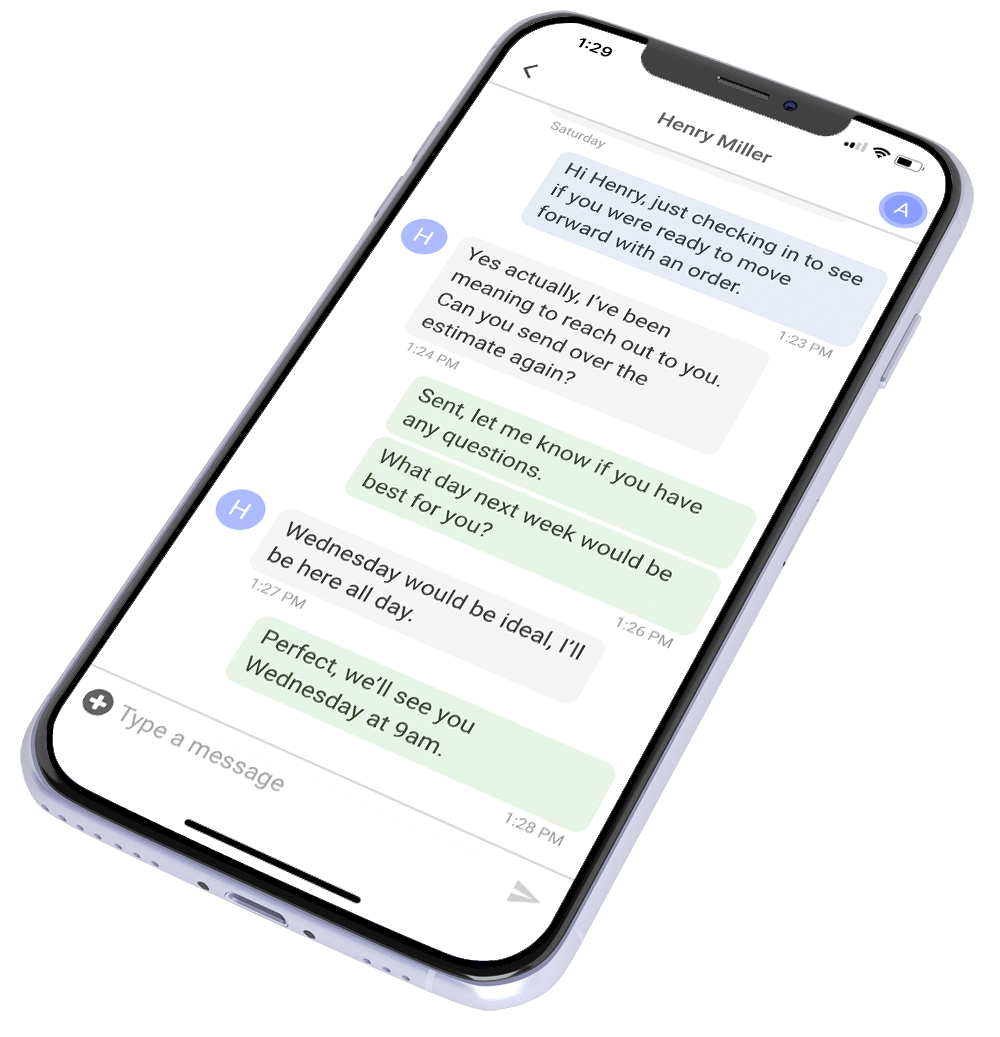
This is where many contractor marketing systems break down. A company pays for ads, improves its website, and gets inquiries, but the sales team doesn’t contact every lead consistently. Some people get a call right away, others wait until the end of the day, and a few never hear back. The business keeps spending to create new opportunities while losing some it already has.
Create a defined follow-up process for every lead source. Decide who gets new inquiries, how fast the team should respond during business hours, and what happens when a homeowner doesn’t answer. If someone submits a form after hours, acknowledge it and make sure a team member follows up when they’re available. Assign responsibility so everyone knows who owns the next step.
Follow-up should also change as the customer moves through the sales process. A new inquiry needs a quick response and an appointment. Someone who got an estimate may need an explanation of the work or a talk about options. A customer who signed needs updates on scheduling and production. Sending the same generic message to everyone ignores where each person is in their decision.
Automation can make this process more consistent, but it shouldn’t replace real conversations. Use automated messages to acknowledge inquiries, send reminders, and prompt the next step. When a customer replies or raises a concern, someone should be ready to respond personally. Good automation supports communication. It doesn’t excuse your team from communicating.
If you send commercial email, make sure you follow the federal CAN-SPAM rules. They include accurate sender information, a valid postal address, and a working opt-out process.
5. Turn Completed Jobs Into Reviews and Referrals
A contractor’s marketing shouldn’t stop when a customer signs. The experience you deliver during the project affects whether that customer recommends you, leaves a review, or calls again. A clean jobsite, clear updates, dependable scheduling, and good workmanship all add up to the reputation your marketing is trying to show.
Build review requests into your project closeout. Once the work is done, ask customers for honest feedback and make it easy to leave a review. Don’t offer rewards for positive reviews, and don’t ask only the customers you expect to give a high rating. Check Google’s review policies, since incentives for reviews can break the rules.
Referrals need a similar process. Let happy customers know you appreciate recommendations, and make it easy for them to share your contact info. You can also ask what they liked most about working with you. Their answers can show which parts of your service deserve more attention in your website, ads, and sales conversations.
Make it repeatable. Don’t count on a salesperson remembering to ask for a review, or an owner asking for referrals only when business gets slow. Create a closeout step so every finished project has a chance to produce feedback and future business.

Build an Inbound Engine That Keeps Working
ProLine is a communication-first CRM for roofing contractors. It helps you manage leads, organize follow-ups, automate routine communication, and track where your leads come from. You can capture leads with web forms, and connect other lead sources through webhooks and Zapier. Explore ProLine’s integrations and build a sales process that helps you sell more jobs without letting good opportunities slip through the cracks.
FAQs
What is contractor marketing?
Contractor marketing is the process of attracting potential customers, building trust, generating inquiries, and winning projects through channels like local search, advertising, referrals, and content.
What is inbound marketing for contractors?
Inbound marketing helps customers find and contact your business through useful content, local visibility, reviews, and relevant online info.
How can contractors get consistent leads?
Use more than one suitable lead source, capture every inquiry, follow up consistently, and track which channels produce qualified jobs.
How much should a contractor spend on marketing?
Set a budget based on your margins, cost to win a customer, growth goals, and capacity. Review actual sales and profit before you increase spending.
Why do contractors need a CRM for marketing?
A CRM helps organize lead sources, customer conversations, follow-ups, appointments, and sales results so opportunities don’t get lost.