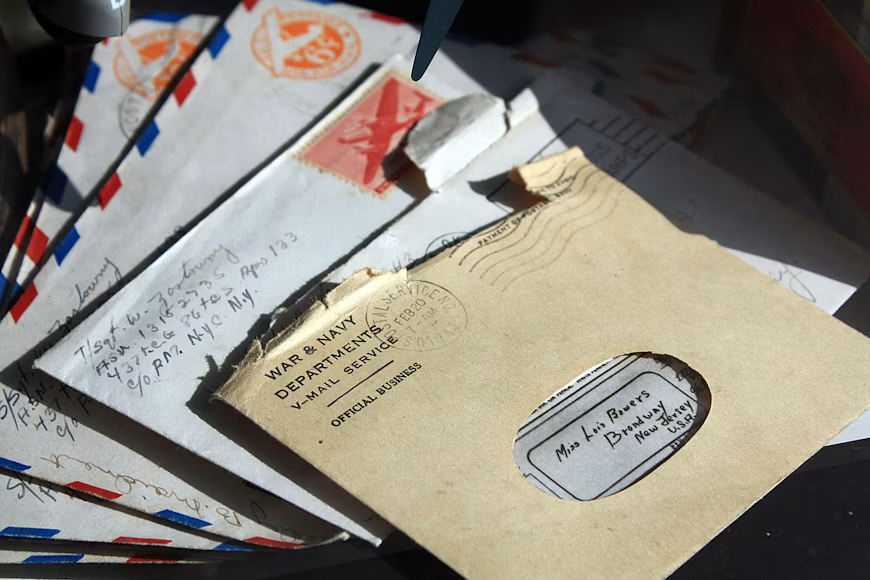
Roofing direct mail gives your business another way to get noticed. It puts your message in a physical mailbox, where homeowners can see it, keep it, and look at it later when they need a contractor. But sending postcards to a few neighborhoods and waiting for the phone to ring isn’t a marketing plan. Good roofing direct mail starts with the right audience, a relevant reason to respond, and a team that’s ready to handle the calls that come in.
You also need a way to track responses and tie them to inspections, estimates, and signed contracts. Otherwise, you won’t know if the campaign brought in business or just paid for printing and postage. This guide covers how to plan a campaign, pick a format, design a mailer, choose neighborhoods, handle follow-up, and measure results. If you’re weighing direct mail against other marketing ideas, it’s a solid option that doesn’t depend on a platform’s algorithm.
WATCH: Cheap Roofing Lead Generation That Converts at 10X
Choose the Right Roofing Direct Mail Format
Your format affects how much you can say, what the campaign costs, and how homeowners react. You don’t need to use every format. Start with the one that fits your goal and audience, and see for yourself that traditional marketing still works for roofers.

Postcards
Postcards are a practical starting point for many roofing companies. They’re easy to design, they have room for a strong headline and a project photo, and homeowners can see the message without opening an envelope. They work well for replacement estimates, storm inspections, seasonal maintenance, or a recent project in the neighborhood.
The limit is space. You need to get the main offer across fast and give homeowners one clear next step. Use a strong headline, one relevant image, a short explanation, and a big phone number or web address. Don’t try to fit your whole company history and every service onto one postcard.
Letters
Letters give you more room for a personal introduction or a longer explanation. They’re useful when you’re writing to a specific group of homeowners, introducing yourself in a new neighborhood, or following up with people who showed interest before.
A letter can explain why you’re reaching out, what you do, and how to book a consultation or inspection. Keep the language natural and specific. Personalization should make the message more relevant. It shouldn’t make it sound like you’ve inspected a property when you haven’t.
Brochures
Brochures work when homeowners need more information before they decide to contact you. You can use them to explain roofing materials, compare replacement options, walk through your install process, or show finished projects. They also help as backup material after an inquiry or appointment.
Brochures take more space and may cost more to print and mail, so think about where they fit. A homeowner who just needs your phone number doesn’t need a long brochure. Save the format for campaigns where more information helps the customer decide.
Flyers and Other Mailers
Flyers can promote one service or campaign, like a storm inspection offer or a new service area. They work best when the message is simple and time-sensitive. Make the offer, service area, and contact info easy to understand.
Door hangers are another option for neighborhood marketing, but they aren’t technically direct mail. Your team or a distribution service delivers them by hand instead of through the postal system. They can go along with a direct mail campaign around an active jobsite, as long as you follow local rules and respect property restrictions.
Build a Roofing Direct Mail Strategy
Before you design anything, decide what the campaign needs to do. A mailer promoting emergency repairs looks different from one introducing your company in a new market. If you don’t set the goal first, your message will turn into a pile of generic claims about quality, service, and low prices.
Define the Service You’re Promoting
Pick one main service for each campaign. You might focus on full replacements, storm inspections, residential repairs, or commercial roofing. A clear focus helps homeowners see if the message is for them, and it makes the results easier to judge.
Think about the jobs you actually want. If your crews are already booked with replacements, a campaign that brings in lots of small repair requests may add scheduling stress without much revenue. Your mailer should support your sales and production priorities, not just create activity.
Identify Your Ideal Neighborhoods
Your service area is the starting point, but not every neighborhood is equally valuable. Look at where you’ve finished profitable jobs, where your crews work efficiently, and where you have room for more projects. You can also look at the age of the homes and local weather exposure when you have that info.
For example, if you recently finished several replacements in one community, nearby homeowners may have seen your trucks or your work. A mailer that introduces your company and shows a finished project can build on that. Just don’t assume the neighbors’ roofs are in the same shape or need the same work.
Choose a Delivery Method
You have two main ways to send postal direct mail: mail to a selected list, or use a service like USPS Every Door Direct Mail (EDDM). A mailing list gives you more control over which addresses get your message. EDDM lets you pick postal carrier routes and mail to the addresses along them without buying an individual address list. See the USPS Every Door Direct Mail page for current details and pricing.
EDDM can be useful when you want broad coverage of a neighborhood. A targeted list may make more sense when you want to reach a narrower group of homes or follow up with a defined audience. Compare costs, delivery rules, and targeting needs before you choose.
Design a Mailer Homeowners Will Actually Read
Your mailer has a short window to earn attention. Homeowners may get several ads in the same delivery, so your message needs to be easy to understand. A busy design, too much text, or a vague offer makes it hard to act on. That’s one reason to rethink your advertising habits if your mailers aren’t getting responses.
Lead With a Clear Headline
The headline should say what you’re offering or why you’re reaching out. “Need a Roof Replacement?” is more direct than “Your Trusted Home Improvement Partner.” For a storm campaign, you could use “Concerned About Recent Storm Damage?” and follow it with a short explanation of your inspection service.
Make sure the headline matches the real campaign. Don’t create urgency by suggesting a homeowner has damage you haven’t inspected, or by implying an insurance claim is guaranteed.
Use Real Roofing Project Photos
Your own project photos are usually more useful than stock images because they show the work your company actually does. Use clear before-and-after shots, finished roofs, install details, or your crew working professionally. If you include a customer testimonial, make sure it’s real and you have permission to use it.
Your visuals should support the message, not compete with it. One strong project photo usually works better than a crowded collage. Make sure the image is high enough quality for print and that the design stays readable when held at arm’s length.
Explain the Offer and Next Step
A homeowner should understand what they get by responding. Are you offering a replacement estimate, an inspection, a talk about material options, or info about repairs? Explain the offer in plain words and say what happens after they contact you.
Use one main call to action. You can include a phone number and website, but don’t give readers too many competing instructions. If the goal is to book an inspection, say so. If you want estimate requests, make that the main action.
Make Your Company Easy to Verify
Include your company name, phone number, website, service area, and any credentials you can back up. Homeowners may look you up before they respond, so make sure the info on your mailer matches your website and online profiles.
Keep your claims accurate. Don’t promise guaranteed insurance approval, say every roof in a neighborhood needs replacing, or advertise a discount with conditions you haven’t explained. The Federal Trade Commission’s advertising and marketing guidance says ad claims must be truthful, can’t be deceptive or unfair, and must be backed by evidence.
Roofing Direct Mail for Specific Campaigns
A good mailer connects a service with a situation homeowners recognize. Instead of sending the same postcard to every address all year, build campaigns around the needs and chances in your market.
Storm Damage Campaigns
After a hailstorm or high winds, homeowners may have questions about their roofs. A direct mail campaign can introduce your company and offer a professional inspection to homes in the affected area. Explain that storm damage isn’t always visible from the ground and that an inspection can help homeowners see what, if anything, needs attention.
Be careful not to imply every home in the area has damage. A storm map or weather report doesn’t tell you the condition of one roof. Invite homeowners to have their property checked instead of promising an insurance-paid replacement.
Roof Replacement Campaigns
You can use direct mail to reach homeowners who may be thinking about a replacement. Focus on the value of knowing their options, comparing materials, and getting a clear estimate. If you’ve finished projects nearby, include a photo and mention that your team serves the neighborhood.
This is also a chance to show what makes your process dependable. Explain how you handle inspections, planning, material selection, installation, and communication. Homeowners should see more than a low price. They should understand what they get when they hire you.
New Service-Area Campaigns
When you expand into a new market, direct mail can introduce your company to homeowners who don’t know your name. Say which communities you serve, what services you offer, and how to learn more about your work. Include real project examples and make it easy for people to look you up online.
Don’t pretend to have a long local history if you’re new to the area. You can build trust by being open, communicating clearly, and showing the work you’ve done elsewhere.
Plan Your Follow-Up Before the Mail Arrives
Sending the mailer is only the beginning. Once homeowners start calling or submitting forms, your team has to respond. If the office doesn’t know which campaign produced a lead or who should contact the homeowner, opportunities slip through the cracks.
Get your team ready before the mail drops. Decide who answers calls, who handles online inquiries, how leads get assigned, and what info gets recorded. Make sure the people responding know the offer and can explain the next step without giving homeowners mixed messages.
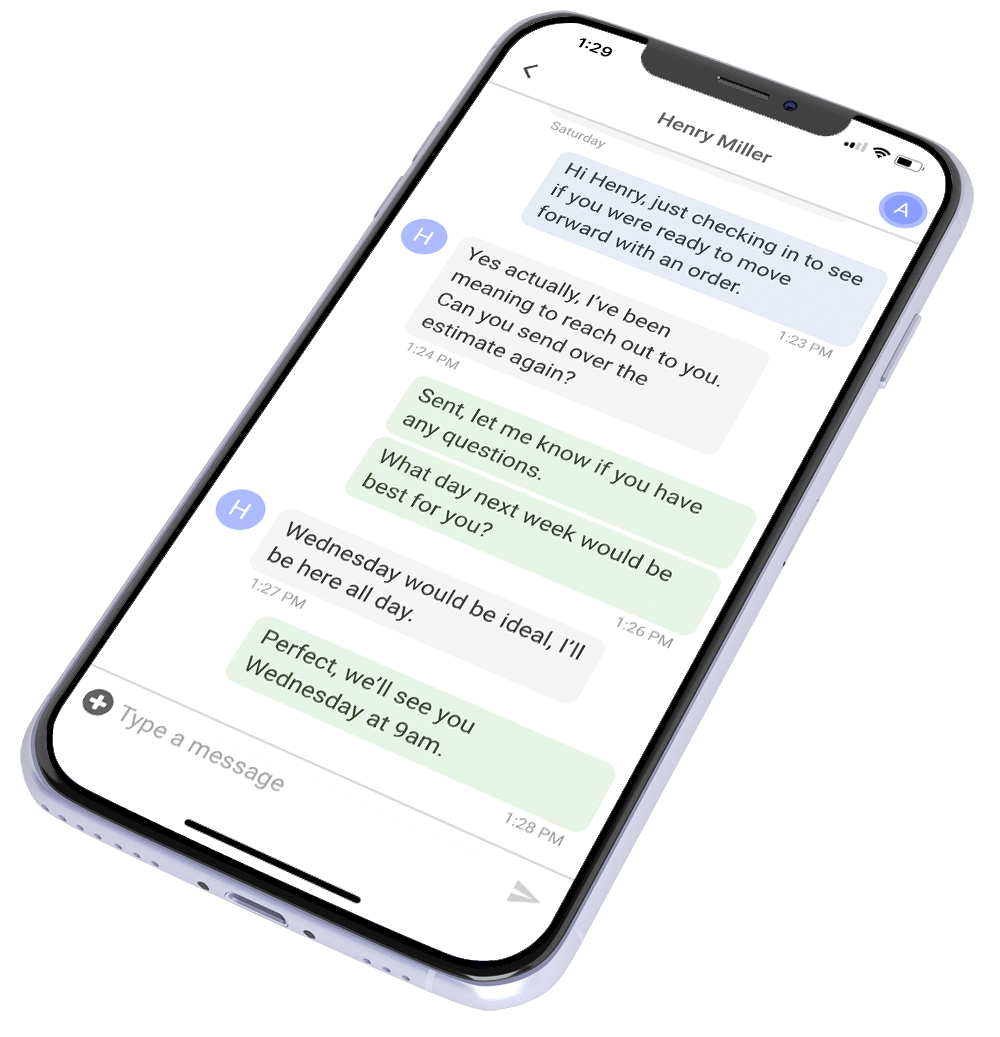
If a homeowner doesn’t answer the first call, use a reasonable follow-up routine. You might leave a voicemail, send a text where it’s allowed, or send an email and try again at a sensible time. Record each attempt so another team member doesn’t repeat the same contact without context. The goal is to make it easy for the homeowner to continue the conversation, not to overwhelm them.
You can also line up direct mail with digital ads. A homeowner might get a postcard and later see your company on Facebook or in a Google search. Consistent branding and messaging make you easier to recognize. If you use digital retargeting, make sure your audience collection, consent practices, and ad settings follow the rules that apply to you.
Turn Roofing Direct Mail Into a Repeatable Lead System
Roofing direct mail can help you build local recognition, reach specific neighborhoods, and introduce homeowners to your services. But the mailer doesn’t close the job. You need a clear offer, relevant targeting, a professional design, reliable delivery, and a follow-up process that gives every inquiry proper attention.
Make every campaign accountable. Explore ProLine and see how a communication-first CRM can help your team turn more inquiries into inspections, estimates, and signed roofing jobs.
FAQs
What is roofing direct mail?
Roofing direct mail is physical advertising sent to homeowners through the postal system, like postcards, letters, flyers, and brochures.
Does direct mail work for roofing companies?
It can help roofers build local awareness, promote services, and get inquiries when campaigns target relevant neighborhoods and include a clear offer.
What should a roofing postcard include?
Use a clear headline, a relevant project photo, a specific service or offer, your contact info, and one main call to action.
What is USPS Every Door Direct Mail?
EDDM is a USPS service that lets businesses choose postal carrier routes and send mail to addresses along those routes without using an individual mailing list.
How do roofers measure direct mail ROI?
Track campaign costs, inquiries, inspections, estimates, signed jobs, revenue, and gross profit. Don’t rely on response volume alone. A separate phone number or web address on each mailer, or a lead source like “Direct Mail” in your CRM, makes this much easier.