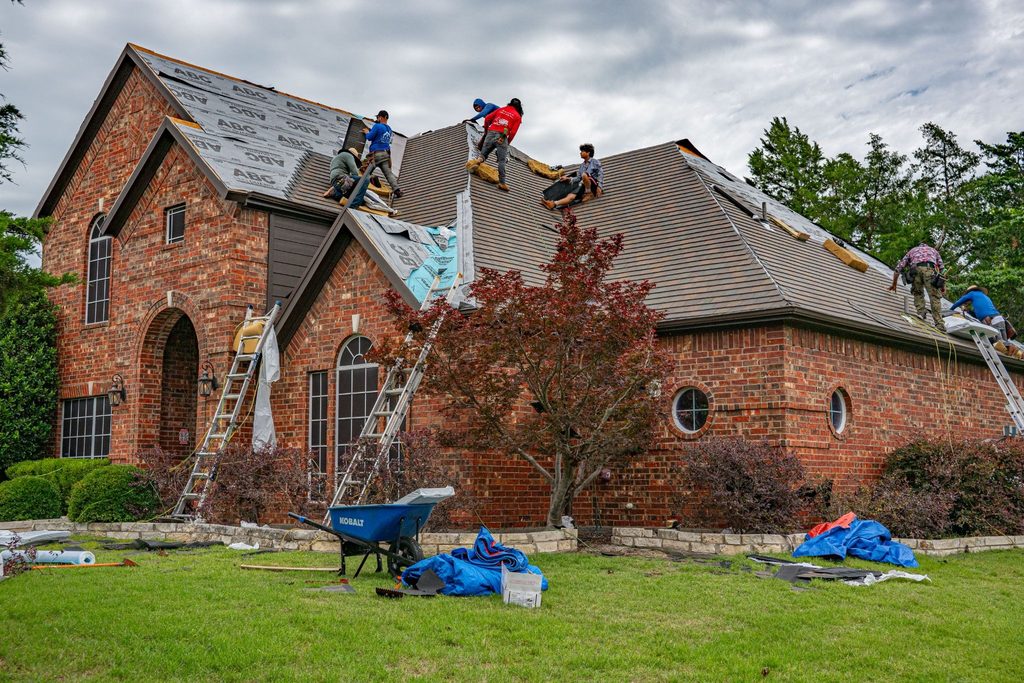
Many people who figure out how to start a roofing company focus on the obvious stuff. Get a truck. Get insured. Find jobs. For the first year or two, that can be enough to keep moving. But the contractors who grow, who go from one crew to three to regional operations, build something underneath the visible work. Systems. Processes. A business that runs on more than the owner’s phone.
This guide covers more than how to get licensed and open a bank account. It shows how to set up a roofing business from day one so growth does not break it.
Start Here: What Many People Miss When Starting a Roofing Business
Before you jump into the steps, watch this video with Emily May. She started a roofing business and built it into a real operation.
One idea runs through everything below. The technical side of roofing can be learned. The business side is where many new contractors struggle: communication, lead follow-up, and knowing your numbers. Keep that in mind as you go through the steps.
Step 1: Get Legal Before You Get Busy
One of the fastest ways to hurt a new roofing company is to take jobs without the right legal setup. One uninsured accident or one unlicensed job can end the business before it gets going.
- Business entity. Many roofing contractors set up an LLC. According to Housecall Pro’s startup guide, an LLC can protect your personal assets if the company faces a lawsuit or debt. A sole proprietorship is simpler, but there is no legal line between you and the business. The right choice depends on your legal and tax situation, and filing fees differ by state, so ask a lawyer or accountant.
- Contractor license. Rules differ a lot by state. Many states ask for two to four years of documented work experience and a licensing exam. Some states have no state-level roofing license, and some leave it to cities or counties. Use Jobber’s state-by-state roofing license guide as a starting point, then confirm with your state licensing board.
- Insurance. You need it, and it can be pricey. MoneyGeek’s 2026 roofing insurance report says most roofers pay about $989 per month for a bundle of general liability, commercial auto, and commercial property coverage. General liability alone runs from $396 per month in West Virginia to $1,158 in California. These are modeled averages, not quotes, so get real quotes before you budget.
- Workers’ compensation. Most states require it once you have employees, but the rules differ by state. MoneyGeek puts the cost at $306 per employee per month in Indiana and South Dakota and $1,905 in New York. Do not run a crew without the coverage your state requires.
A surety bond gives your clients a guarantee that you will finish the work. Some commercial property managers and insurance companies ask for one. HowMuchToStart budgets $2,500 for the license and bond together, but bond costs vary by state and bond size.

Step 2: Know Your Real Startup Number
Many new contractors underestimate what it takes to reach first revenue. Many also underestimate what it takes to keep going through the first 90 days.
The HowMuchToStart.com roofing company calculator, last reviewed in May 2026, uses these default startup costs, which add up to $64,000:
- Truck and trailer: $20,000
- Roofing tools and safety equipment: $10,000
- Contractor license and bond: $2,500
- Insurance (first year): $15,000
- Materials deposit: $8,000
- Dumpster and disposal account: $2,000
- Marketing and initial lead generation: $5,000
- Safety equipment and OSHA compliance: $1,500
The site says startup costs for a roofing company range from $15,000 to $180,000 across the country, with a middle figure of about $60,000. A solo roofer with basic tools and a used truck sits near the low end. A company with several crews needs much more. Where you land depends on whether you buy new or used equipment and how much cash you keep on hand.
Add three months of operating costs to whatever number you land on. The calculator has an option that adds $30,000 for three months of working capital. Running short on cash in the first few months is a common way for new companies to get into trouble.
Step 3: Build Your Pricing for Profit, Not Just to Win Jobs
New roofing companies often price low because they want work. That makes sense on paper. In real life, it can build a business that is always busy and never profitable. Price your jobs so they leave real profit after all your costs.
Your price has to cover four things: labor, materials, overhead, and profit. Overhead includes insurance, vehicle costs, equipment upkeep, software, and the time you spend running the business. Many new owners forget overhead until it starts eating their margins months later.
Know your cost per square installed before you quote a job. Know what your truck costs to run each month. Know how many jobs you need each month to break even. These numbers help you grow with confidence instead of guessing.
Step 4: Get Your First Customers Without Wasting Budget
New roofing companies do not need a big marketing budget. They need a few good tactics done consistently.
Google Business Profile is free. Fill it out with photos, services, and the same name, address, and phone number everywhere it appears. That helps local homeowners find you when they search for roofers. Ask every happy customer for a Google review. Reviews can help build trust with homeowners who are comparing roofers.
Door-to-door canvassing after storms. It is still a common way to find work in residential roofing. After a hail event or major storm, walk the neighborhoods where damage happened. You do not need a script. You need to show up early and make it easy for homeowners to say yes. Some cities require a permit for door-to-door sales, and some states have extra rules for roofers who knock after storms, so check your local rules first.
Real estate agent relationships. Agents often deal with roofs that need work before or after a sale. A good relationship with an active agent can send you steady referrals.
Referral programs. A job done well can lead to the next job. Plan a referral reward from day one, and thank every happy customer who sends you a friend. It costs little to run.
Slow follow-up often hurts early marketing more than bad tactics do. A 2007 study of sales leads at six companies found that leads contacted within five minutes were far more likely to be qualified than leads contacted after thirty minutes. It was not a roofing study, and it did not measure won jobs. Still, every lead from Google, a referral, or a storm canvass deserves a fast reply. Without a system for that, some of your marketing money goes to waste.
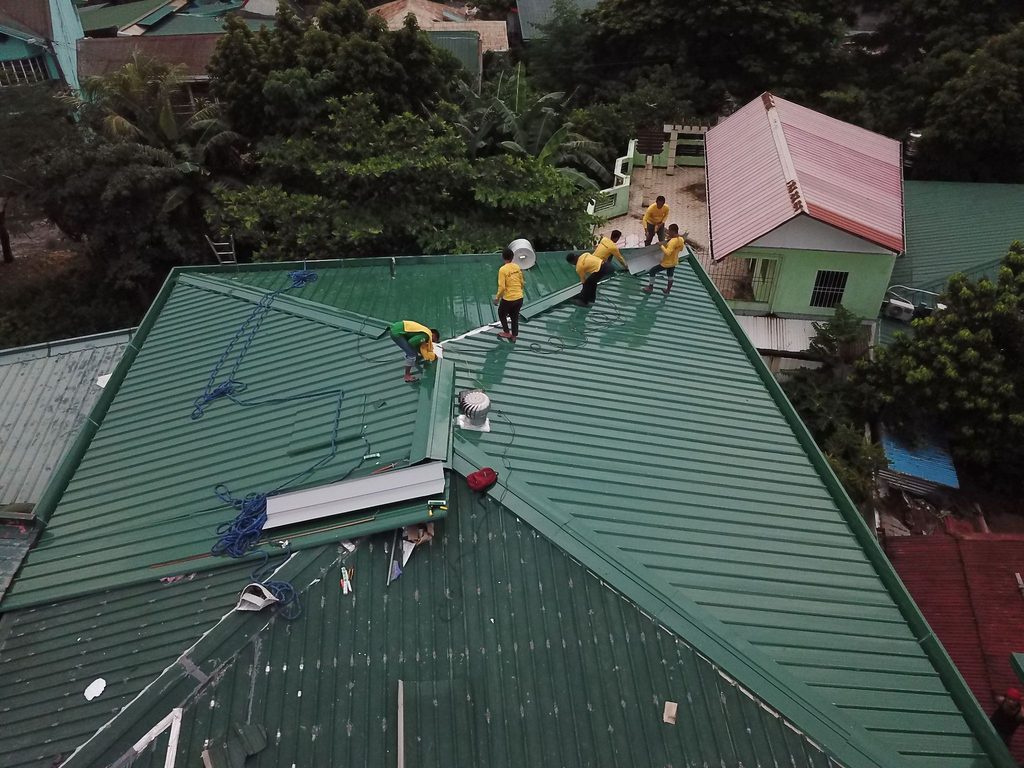
Step 5: Set Up Operations Like a Company, Not a Side Job
This is where many new roofing companies stay small. They run on text messages, paper invoices, and the owner’s memory. That can work for the first jobs. As volume grows, things start to slip.
- A CRM to track every lead, estimate, follow-up, and job. Without one, leads can slip between first contact and close, and you may not even know it.
- Automated follow-up for estimates. Automated reminders can help more homeowners show up for estimate appointments. Text the homeowner the day before and an hour before each appointment.
- Two-way texting with customers. Homeowners want updates. They want to know when the crew is coming, when materials arrive, and when the job is done. Clear communication can mean fewer misunderstandings and a better experience for the homeowner.
- Consistent invoicing and payment collection. Get paid on a schedule. Many roofers collect a deposit before ordering materials, progress payments as milestones hit, and the final payment at completion. Rules on deposits and payment schedules differ by state, so check yours. Do not wait until the job is done to ask for money.
ProLine is built for roofing companies that want to run like a real business from day one. It is a communication-first CRM with automated follow-ups, two-way texting, lead tracking, and job updates in one place. The goal is simple: sell more jobs and make it home for dinner. Learn more about how to automate your roofing business step by step so you are not the bottleneck from day one.
Step 6: Hire When the Business Needs It, Not When You’re Exhausted
Many roofing company founders hire in a rush. They wait until they are turning down jobs and burning out, then bring on whoever is available. That can lead to a bad hire that sets growth back.
Hire when you keep turning down work, not when you are desperate. Before you start looking, write a simple hiring profile: experience level, availability, pay structure, and your training process. Verify licenses. Check references. Give real safety training before anyone gets on a roof.
The Associated Builders and Contractors says the construction industry must attract about 349,000 net new workers in 2026 to meet demand. That number covers all of construction, not just roofing, but it shows that good crews are in demand. Companies that treat crews well, communicate clearly, keep jobs moving, and pay on time are easier to work for. Good systems cut down on chaos on every job, and that makes your company a better place to work.
What Separates the Companies That Scale From the Ones That Stall
Most roofing companies are small local businesses. A smaller number grow into regional companies that run several crews, serve several markets, and build real company value.
The difference is often not technical skill. The best roofers are not always running the biggest companies. A big part of the difference is whether the founder built the business on systems or on hustle.
Hustle-based businesses can top out when the founder runs out of hours. Systems-based businesses can keep growing because every hire, new market, and new crew can follow the same process the founder built at job one.
Founders who figure out how to start a roofing company with that mindset are more likely to end up with a company worth running or worth selling. Start with a lead conversion system that never drops the ball. It is a strong foundation for everything else.
Frequently Asked Questions
How much does it cost to start a roofing company?
HowMuchToStart.com puts startup costs for a roofing company between $15,000 and $180,000, with a middle figure around $60,000. A solo roofer with basic tools and a used truck sits near the low end. A company with several crews needs much more. Costs cover things like a truck and trailer, tools, licensing, insurance, a materials deposit, and marketing. Add about three months of operating costs to your number so early cash gaps do not catch you off guard.
Do you need a license to start a roofing company?
Licensing rules vary by state. Many states require a contractor license that involves proof of work experience and a trade exam, and some also test business law. Some states have no state-level roofing license, and others leave it to cities or counties. Check your state and local rules before you take paid work. Working without a required license can lead to fines and other trouble.
Can you start a roofing company with no experience?
Yes, but it takes a plan. Many founders without roofing experience partner with an experienced roofer, subcontract the technical work while they manage the business side, or work for an established company for a while before they launch. You can learn business skills, customer communication, and operational setup no matter how much roofing experience you have.
What insurance does a roofing company need?
At minimum, most roofing companies carry general liability insurance, and most states require workers’ compensation once you have employees. MoneyGeek’s 2026 report says most roofers pay about $989 per month for a bundle that adds commercial auto and commercial property coverage. That figure is a modeled average, so get real quotes. Do not cut corners here. One accident on an uninsured job can wipe out everything you built.
How do you get your first roofing customers?
Google Business Profile, storm canvassing, real estate agent relationships, and referral programs are common ways for new roofing companies to find their first customers. Response time matters too. Build a follow-up system before you spend money on lead generation, so the leads you pay for do not go cold.
What CRM should a new roofing company use?
A communication-first CRM built for roofing is a good starting point. Look for lead tracking, automated follow-up, two-way texting, and job status updates in one place. Spreadsheets and group texts can work for the first few jobs. As you grow, leads and follow-ups can slip through. Set up the right CRM for roofing contractors before your pipeline grows beyond what you can track in your head.