
Running a roofing company is already complex. But when you start running a roofing franchise network, it often multiplies that complexity fast.
You’re coordinating multiple sales teams, production crews, marketing channels, and franchise owners across different markets. Leads arrive from dozens of sources. Projects are moving simultaneously. And every franchise location must represent the brand consistently.
Without the right systems, things fall apart.
- Leads slip through the cracks
- Brand messaging becomes inconsistent
- Franchisors lose visibility into performance
And in an industry this competitive, those inefficiencies add up quickly. That growth is one major reason roofing franchises are gaining traction. They allow entrepreneurs like you to expand geographically without building every location themselves. But growth introduces operational complexity, and most traditional CRM systems weren’t built for that reality.
This buyer’s guide explains which CRM features actually matter for roofing franchises, so you can choose a system that supports growth, protects your brand, and keeps operations organized enough that you might even make it home for dinner.
Why Roofing Franchises Need a Different Type of CRM
The U.S. roofing contractor industry generates more than $75 billion annually and includes over 100,000 businesses nationwide. However, not every roofing business uses CRMs. In fact, many CRM platforms on the market are originally built for single-location contractors, not franchises (explaining why the lack of interest among roofers or CRMs).
- They track leads
- They store customer information
- They handle basic scheduling
That’s useful, but it’s not enough for a franchise system. Franchisors need to manage a portfolio of locations, each with its own sales teams, projects, and marketing pipelines. Without centralized oversight, leadership quickly loses visibility into how the business is performing.
That’s where you like roofing-specific CRM solutions like ProLine to keep things smooth and streamlined.
As Carnie Fryfogle, CEO of CR3 American Exteriors, a roofing franchise that scaled from $0 to nearly $15M in four years before launching a franchise model, described the challenge before implementing a more structured system, “Before we were using ProLine Super Admin, it was organized chaos.”
That phrase captures what many growing franchises experience. Each location may be operating independently, but without shared systems, the entire network becomes difficult to manage.
A CRM designed for roofing franchises should allow you to balance two competing needs:
- Local franchise owners need flexibility to run their businesses.
- Corporate leadership needs visibility and consistency across the network.
If you want to learn what roofing CRMs actually are, we have already written a piece about it. You should read this blog to understand what roofing CRMs are and what they’re used for. Next, we’ll go over all the must-have features your go-to roofing CRM needs to have for your franchise.
Lead Routing That Gets Prospects to the Right Location
One of the first operational problems franchises encounter is lead distribution. Marketing campaigns often operate at the corporate level, but the leads must be routed to the correct franchise territory. Without automated systems, this becomes messy.
A homeowner in Denver might submit a quote request through the website. If that lead lands in the wrong franchise account, someone has to manually reassign it. That delay slows down response time and can cost the sale. Speed matters more than many contractors realize.
Research from Harvard Business Review shows that companies responding to leads within five minutes are far more likely to connect with prospects than those responding later.
A CRM built for roofing franchises should automatically:
- Assign leads based on territory
- Notify the correct sales team immediately
- Track response times across locations
This kind of structured lead management allows your team to move quickly while maintaining accountability. When you can see where every lead goes and how quickly it receives a response, you can improve both sales performance and customer experience.
Visibility Across the Entire Franchise Network
As your franchise expands, you need to answer a simple question: How is each location actually performing? Without centralized reporting, it becomes surprisingly difficult to answer. You might know total revenue for the brand, but you may not know:
- Which locations are closing the most jobs?
- Which sales reps need additional training?
- Which marketing channels produce the highest-value leads?
Franchisors end up logging into individual accounts or requesting reports from franchisees. That process wastes time and creates delays. In fact, many CRMs require franchisors to log into each location separately, which becomes impossible once you have dozens of territories. That’s why multi-location reporting matters.
Modern franchise CRM systems should provide rollup dashboards showing:
- Pipeline performance
- Job completion rates
- Sales conversion metrics
With tools like ProLine’s Super Admin reporting layer, franchisors can monitor performance across their entire portfolio from one dashboard instead of chasing data across multiple systems. Better visibility leads to better coaching and stronger franchise performance.
Brand Control Without Micromanaging Franchisees
Franchise businesses live and die by their brand reputation. So, one of the worst mistakes you can make while choosing a CRM solution is to pick one that doesn’t fit their local market
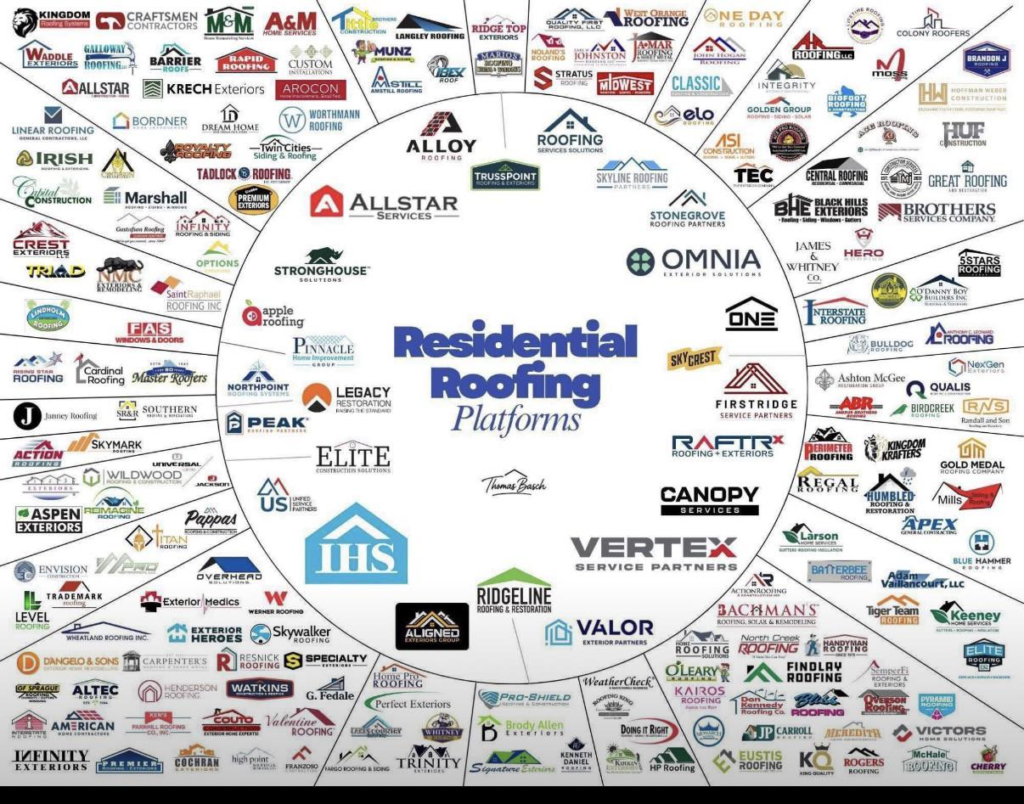
Customers expect a consistent experience whether they hire your roofing company in Texas, Florida, or Ohio. But franchisees are entrepreneurs by nature. They often want to tweak things, from proposal templates to marketing language, to fit their local market. That tension can create problems.
As Mr. Fryfogle explained, “When you have entrepreneurial-spirited individuals joining a franchise concept, naturally they want to find things that help them improve their day-to-day… but when you don’t have a grip on what’s being presented in the marketplace, brand reputation is everything.” So, a strong CRM should allow franchisors to maintain brand control without stifling local autonomy.
This usually requires granular permission settings that lock down critical elements such as:
- Proposal templates
- Customer-facing documents
- Branding elements
At the same time, franchise owners should still have flexibility over things that don’t affect brand consistency, like pricing strategies or margins. ProLine’s CRM allows franchisors to configure these permissions so franchisees can operate independently while protecting the overall brand.
Fast Onboarding for New Franchise Locations
When a new franchisee joins your network, they expect a turnkey system. If it takes weeks to configure their CRM, create templates, and set up automations, it creates a frustrating first impression. Unfortunately, that’s how many traditional systems work.
Every new location requires rebuilding templates, workflows, and automations from scratch. So, some of the best roofing CRMs out there offer fast onboarding for new locations.
Carnie Fryfogle described the difference after switching systems: previously, they had to “duplicate and rebuild everything… every template, every automation.”
Modern franchise platforms should support the instant deployment of your operational playbook. With ProLine, for example, a franchisor can build a setup profile once and deploy it to new locations in seconds.
Carnie explained, “If we signed a new strategic partner today, within about 12 seconds, they could get our full CRM deployment template into their account.” That speed improves onboarding and ensures every location starts with the same proven system.
Navigation Tools That Save Massive Amounts of Time
Franchise leadership teams constantly need to review projects, troubleshoot issues, and support franchisees. If that process requires logging into multiple accounts with separate credentials, it becomes extremely inefficient.
Some franchise systems even require support teams to ask franchisees for their passwords just to review a project. That creates security risks and wastes time. Modern franchise CRM systems should include features like:
- Single sign-on across all franchise accounts
- Global search to locate customers anywhere in the portfolio
- Quick access to project details
Our friend Fryfogle noted that single sign-on was “arguably the single biggest reason” they switched CRM systems.
Tools like ProLine’s Super Admin dashboard allow franchisors to jump into any account instantly and locate projects across the entire portfolio. Those small navigation improvements add up quickly when managing dozens of locations.
A CRM Built Specifically for Roofing Workflows
Many CRM platforms used in home services were originally built for HVAC or plumbing companies. Those industries operate very differently. Most HVAC jobs are appointment-driven service calls where technicians arrive, diagnose the issue, and complete the work. Roofing projects typically involve a longer sales cycle:
- Lead generation
- Inspection
- Estimate
- Insurance coordination
- Contract signing
- Production scheduling
- Installation and collections
Also, HVAC-focused systems often treat every appointment as a billable service call, which doesn’t align with roofing workflows. That mismatch creates friction for roofing contractors.
A CRM built specifically for roofing should understand the entire lifecycle—from inspection to estimate to production—so your team can manage projects efficiently. ProLine’s CRM was designed around roofing workflows rather than adapting tools from other trades.
The Right Systems Make Franchise Growth Possible
Roofing franchises offer an attractive growth model. They allow entrepreneurs to expand their brand, enter new markets, and build long-term enterprise value. But scaling a franchise network introduces operational complexity that spreadsheets and disconnected tools simply can’t handle. You need systems that provide the following roofer-friendly features:
- Visibility across locations
- Consistent processes
- Efficient communication
- Scalable onboarding
When those systems are in place, the entire organization runs more smoothly. The result is a business that runs with structure instead of chaos, helping you sell more jobs, scale your network, and maybe even make it home for dinner. Try the demo today!
FAQs | Top-Rated Roof Franchise Software with CRM Features
What is a roofing franchise CRM?
A roofing franchise CRM is software designed to manage leads, customers, estimates, and projects across multiple franchise locations. It provides centralized reporting and operational tools that help franchisors maintain visibility across their network.
Why do roofing franchises need specialized CRM software?
Franchises must coordinate marketing, sales, and production across multiple territories. Specialized CRM systems help route leads correctly, standardize workflows, and monitor performance across locations.
What features should a roofing franchise CRM include?
Key features include lead routing, rollup reporting dashboards, workflow automation, permission controls, onboarding templates, and communication tools for managing customer interactions.
Can CRM software help roofing companies sell more jobs?
Yes, CRM systems improve response times, organize leads, and track the entire sales pipeline. These capabilities help contractors follow up consistently and close more projects.
How does CRM software help roofing business owners save time?
By automating tasks such as lead assignment, reporting, and customer communication, CRM systems reduce administrative work. This allows roofing owners and franchise leaders to focus on growth instead of managing spreadsheets.