
What is a roofing insurance supplement? If you’ve ever gone on a storm claim and come back with a check that doesn’t match your real cost of work, you already know the pain. Insurance claims rarely account for every detail that goes into a proper roofing job, especially once the tear-off begins, and hidden damage shows up. These overhead expenses can easily tear a hole in your overall roofing profits.
That gap between what the insurance pays and what it actually costs to do the job right is where roofing insurance supplements become essential. They’re not optional add-ons; they’re often the difference between profit and loss on an insurance job.
In simple terms, a roofing insurance supplement is a formal request to the insurance company for additional funds after the original claim has been issued, because the initial estimate didn’t cover everything necessary to complete the repair or replacement correctly.
Whether it’s hidden damage, code requirements, or missed line items, supplements help contractors and homeowners get the full funds needed for a proper roofing job.

Why Roofing Insurance Supplements Matter
Insurance estimates are written by adjusters who inspect a roof quickly and at arm’s length. They’re trained to do a broad assessment, not a roofing-specific evaluation. That’s fine for obvious damage, but it never captures the full scope of a real roofing job, especially when we talk about constructing a new roof and ask for insurance estimates from homeowners. According to Remko Bloemhard, founder of SuppTrax who has handled over 14,000 claims, “A rule of thumb: every estimate written by the insurance company is probably about 20% light. This is coming from me as an independent adjuster.”
Contractors know this instinctively. When you start stripping old shingles and see decking that’s soft or damaged, or discover that the underlayment and ventilation aren’t up to current standards, you know there’s more work to do than what the insurance initially paid.
A supplement lets you put that actual cost in front of the carrier and get compensated for it. Roofing supplements matter for several reasons:
- They protect your profit margin by ensuring you’re paid for real work, not just line items the adjuster guessed at.
- They help homeowners avoid unexpected out-of-pocket costs for things their policy should cover.
- They make sure the project is completed to code and manufacturer specifications, not just patched together on the cheap.
- They demonstrate professionalism and credibility, i.e., you’re not cutting corners, you’re completing the scope.
Without supplementing, many contractors end up absorbing unpaid work, eating into time, and struggling to make jobs profitable, chiefly when dealing with complex roof shapes.
What Exactly Is a Roofing Insurance Supplement?
A roofing insurance supplement is an added claim (or an addition to the original claim) that asks the insurance company for extra money to cover items, labor, or costs the first estimate didn’t include.
Imagine an initial claim as a starting point. It says, “Here’s what’s obvious and visible.” A supplement says, “Here’s everything more that needs to be done and why it’s necessary.”
Common reasons a supplement may be needed include:
- Hidden damage was discovered after the tear-off, like rotten decking.
- Building codes require upgraded materials that weren’t listed initially.
- Material or labor costs have increased since the initial estimate.
- Items adjusters simply missed, like flashing, ice & water shield, or ridge caps.
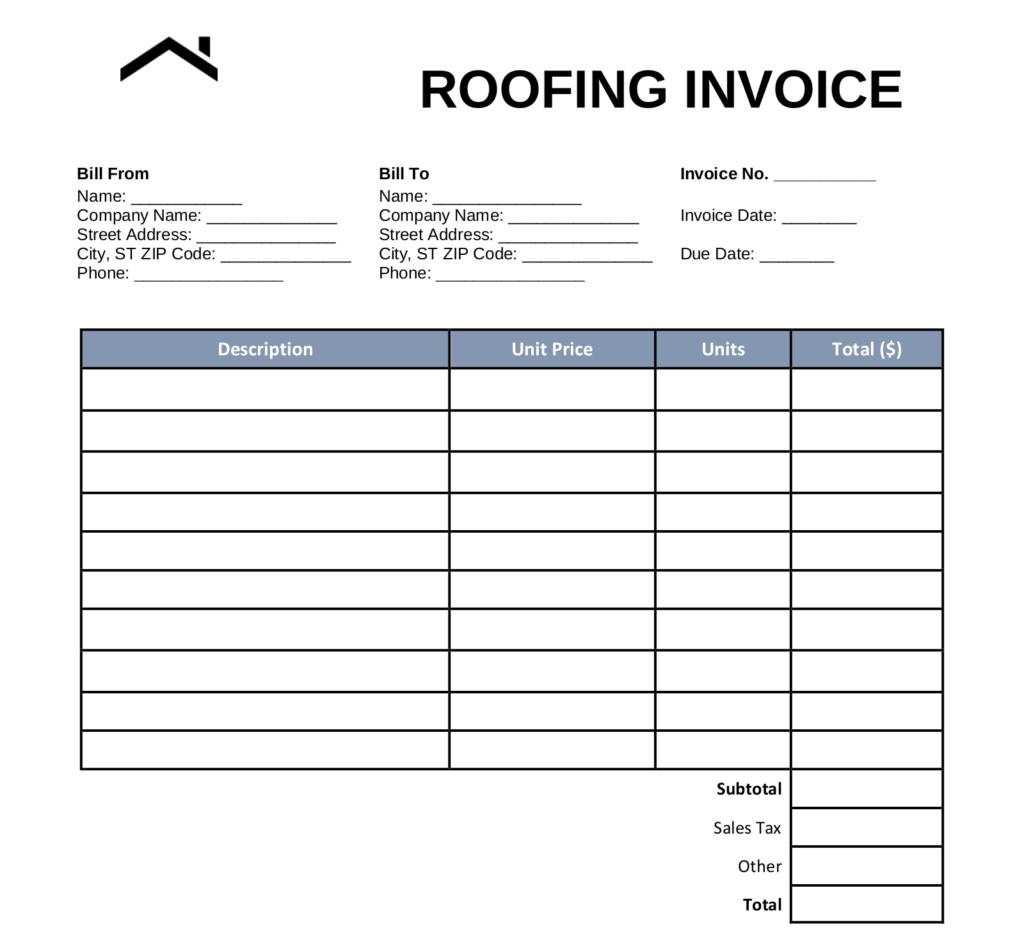
When you prepare a roofing supplement, you document these items in detail (with the proper measurements, line items, photos, and justification) and submit it to the adjuster for review. If the supplement is approved, the insurance company issues additional funds, and you get paid for the real cost of the work you perform.
When Do You Submit a Supplement?
There’s more than one good time to file a roofing insurance supplement. Most contractors look at supplements when they discover things during the job, after a tear-off reveals unforeseen issues. That’s how it usually happens, but it’s not the only one. Roofing supplements can be submitted:
- Before the job begins, if your initial inspection already shows missing items in the adjuster’s scope.
- During the tear-off, when hidden damage or code upgrades become visible.
- After the job, if necessary items were legitimately missed and you’ve documented them.
Waiting until after work starts isn’t ideal for cash flow or planning. Many experienced contractors review the adjuster’s estimate before starting and supplement proactively. That reduces their surprises, helps set homeowner expectations, and protects your margins… because you’re not chasing money after you’ve already spent it.
What Items Typically Require Supplementing
Insurance adjusters tend to include only the most obvious items in their initial estimates. They’re trained to look quickly and often overlook details that make a huge difference in the real cost of roofing work. Common items that contractors supplement include:
- Decking replacement due to rot or damage discovered only after removal of old materials.
- Underlayment and ice & water shield that meet code but weren’t included in the original estimate.
- Flashings, drip edge, and ventilation upgrades are required for proper installation.
- Higher waste allowance for complex roof shapes or layouts.
- Material and labor cost increases that occur between the date of the original estimate and job execution.
The Insurance Adjuster’s Perspective
Roofing insurance supplements aren’t a hostile action against the insurance company. In fact, approval of supplements is built into the claims process when done correctly. The key difference between supplements that get approved and supplements that get pushed back lies in the quality of documentation and communication.
Adjusters are trained to evaluate based on evidence. If you simply say “we need more money for code upgrades,” insurers may push back. But if you show detailed photos, measurements, line items tied to recognized estimating codes (like Xactimate), and code references, carriers are often willing to adjust the claim because you demonstrate the need clearly with evidence.
Documentation Is the Most Important Part
The difference between a supplement that gets approved and one that sits in limbo is documentation. Strong supplements include:
- Detailed photos with annotations explaining what’s wrong.
- Measurements and quantities tied to line-item estimates.
- Code references when upgrades are required.
- Details on hidden damage discovered during the tear-off versus visible signs.
Insurance companies don’t pay because you asked; they pay because you proved it. When you’re juggling multiple claims, adjusters, and timelines, missing a photo or failing to follow up can cost time and money.
That’s why organizations focused on supplement management, such as SuppTrax, led by industry pro Remko Bloemhard. SuppTrax helps contractors track supplement claims, manage documentation, and see metrics like average days to close… instead of losing time tracking spreadsheets and emails.
Remko’s work in this space highlights a reality many contractors face: tracking supplements isn’t just about getting more money; it’s about managing the process efficiently so it doesn’t slow down operations or cash flow.
How Roofing Contractors Maximize Insurance Supplements
Supplementing is part logic and part discipline. Contractors who see better results generally follow a consistent process:
- Start with a detailed inspection and take more photos than you think you’ll need.
- Cross-check the initial insurance estimate against your own roof inspection line by line.
Identify missed items and document them thoroughly. - Use standardized estimating software (like Xactimate) to generate clean, defensible numbers.
- Follow up promptly with the insurance adjuster — slow follow-up kills approvals.
- Track where every supplement is in the pipeline so nothing falls through the cracks.
Those steps separate contractors who leave money on the table from those who close supplements quickly and confidently.
CRM and job tracking systems like ProLine’s communication-first CRM help ensure nothing slips through the cracks. They keep all notes, photos, reminders, and adjuster conversations in one place so you’re always on top of where each supplement stands, and not buried in texts & scraps of paper.
Supplements Are a Business Skill
Roofing insurance supplements are part of doing business in the storm market, and not an optional extra. The initial insurance estimate is rarely sufficient, and knowing how to supplement effectively protects your profits, helps homeowners finish the job correctly, and builds your reputation as a contractor who understands the real scope of work.
Getting supplements approved means documenting well, communicating consistently, and managing the process like you manage your jobs, and not hoping for the best.
That’s why systems matter: when you combine disciplined supplement documentation with tools like ProLine’s CRM, you spend less time chasing paperwork and more time closing jobs, protecting margins, and making it home for dinner.
If you want a system that keeps your supplement documentation, follow-ups, adjuster contacts, and job details in one place, so you never lose hours digging through texts or forgetting a photo, then book a demo with ProLine and see how a communication-first roofing CRM sets up your business for clarity, efficiency, and profit.
FAQs
What is a roofing insurance supplement?
A roofing insurance supplement is a request to the insurance company for additional funds beyond the original claim estimate to cover necessary costs not included in the initial scope.
When should a contractor submit a supplement?
Supplements can be submitted before work starts (if you catch missed items), during tear-off (if hidden damage appears), or even after the job with documentation, though early is usually better.