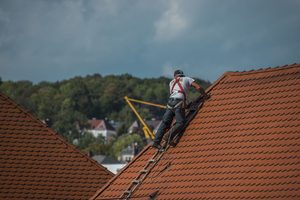
What kind of training do roofing franchise companies offer? Most people assume roofing franchise training is mainly about teaching installation skills, like how to lay shingles, read roof measurements, or follow basic safety procedures. That is part of it, but it is not the part that actually determines whether a franchise scales smoothly or starts breaking down under pressure.
In reality, the real purpose of roofing franchise training is consistency. When you have multiple crews, multiple sales reps, and multiple markets, you cannot rely on individual experience or informal learning. You need a system that produces predictable outcomes regardless of who is doing the work.
So when you ask what kind of training roofing franchise companies offer, you are really asking how they turn a group of individual contractors into a structured, repeatable operation that can handle growth without losing control of quality, communication, or profitability.
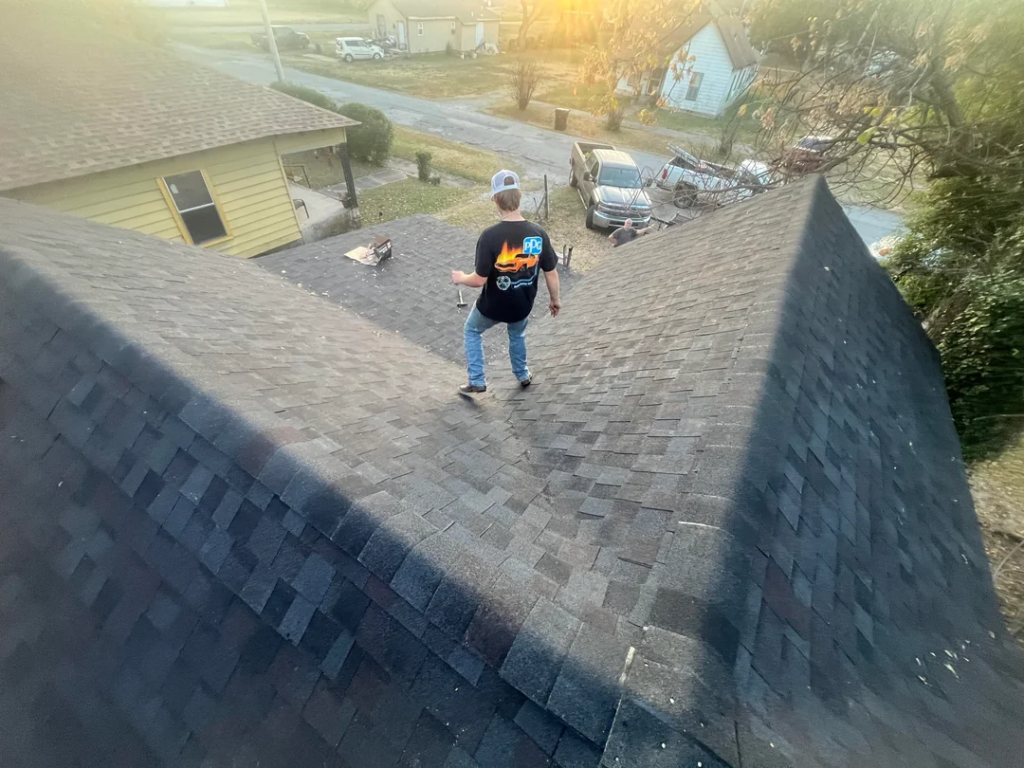
Why Training Matters More in Roofing Franchises Than in Independent Crews
Roofing is one of those industries where small mistakes do not stay small for long. A missed step in installation can lead to leaks, warranty claims, or rework. A miscommunication with a homeowner can delay approvals or damage trust. A missing documentation step can slow down insurance payouts or create friction in billing cycles.
In a single crew operation, these issues are easier to manage because everything runs through one person or a tightly connected group. In a franchise environment, those same issues multiply across teams, regions, and job types.
This is why franchise training is less about teaching tasks and more about enforcing standardization. The goal is not just to make someone capable of doing the work, but to ensure every person does the work in the same way every time.
This is why training is treated as a system, not a one-time onboarding event.
Technical Installation Training and Standardization
Every roofing franchise starts with technical training because installation quality is the foundation of the entire business. If the roof is installed incorrectly, everything else becomes reactive instead of proactive.
What this training typically includes
Technical installation training is designed to ensure every crew member can complete roofing work safely and consistently according to brand and manufacturer standards. This usually covers the full installation process from tear-off to final inspection.
- Shingle installation across different material types such as asphalt, metal, or specialty systems
- Tear-off procedures and disposal requirements for different job types
- Underlayment installation and waterproofing methods
- Flashing, ventilation, and edge detail standards
- Manufacturer specifications required for warranty compliance
The key difference in franchise training is that it does not rely on personal preference or “how I’ve always done it” methods. It enforces a single installation standard that reduces variation across crews. That consistency is critical because rework is expensive in roofing. It increases labor costs, delays payment cycles, and reduces customer satisfaction, all of which directly impact profitability.
Safety Training and Compliance Systems
Safety training is one of the most heavily regulated parts of roofing franchise operations, and for good reason. Roofing is a high-risk environment where small mistakes can lead to serious consequences.
Core safety training areas
Safety training is designed not only to meet compliance standards but also to create consistent decision-making in the field when conditions change.
- OSHA fall protection standards and enforcement practices
- Proper use of harnesses, anchors, and safety equipment
- Ladder setup and roof access protocols
- Weather-related safety decision-making
- Jobsite hazard identification and reporting procedures
According to OSHA data, falls remain one of the leading causes of fatalities in construction, accounting for approximately one-third of all construction-related deaths annually. This is why franchises do not treat safety as optional training, but as a required operational baseline.
In more advanced franchise systems, safety reporting is also tied into job tracking workflows. That means hazards or incidents are logged directly into operational systems rather than being handled informally, which improves accountability and response time.
This is also where communication systems become important because safety issues often require immediate visibility across multiple roles.
Sales Training and Customer Communication
Sales training in roofing franchises is not merely about closing more deals. It is about creating consistency in how customers are guided through the decision-making process, regardless of which representative they interact with. That’s how you build the best D2D roofing sales team!
What does sales training usually include?
Sales training focuses on building a structured customer experience that reduces uncertainty and increases conversion consistency.
- Conducting in-home or on-site consultations
- Explaining roofing systems and material options clearly
- Handling objections in a structured and consistent way
- Presenting pricing and financing options effectively
- Managing insurance-related conversations and expectations
The important shift in franchise systems is that sales is not treated as an individual skill alone. It is treated as a repeatable process supported by systems. This is where a roof franchise CRM becomes central. Instead of relying on memory or scattered notes, sales reps work inside structured workflows that capture every interaction, estimate update, and follow-up step.
When communication is tied to a CRM system, it becomes easier to maintain consistency across different reps and locations. This reduces dropped leads and improves conversion rates because nothing is lost between conversations.
Operational Training and Workflow Management
Operational training is where roofing franchises either become scalable or start experiencing breakdowns under growth. This layer is not about installation or sales. It is about how work moves through the company from start to finish.
Core operational training areas
Operational training focuses on building predictable job flow across all departments.
- Scheduling and job sequencing across crews
- Material ordering workflows and timing
- Project status updates and progression tracking
- Documentation requirements for each job stage
- Internal communication standards between the field and the office
In strong franchise systems, this is where structure becomes visible in daily operations. Jobs are not managed through memory or informal updates. They move through defined stages inside a centralized system.
A communication-first CRM often plays a key role here because it ensures that every job has a clear status, clear ownership, and a clear next step. When that structure is missing, jobs tend to stall between departments without anyone realizing it immediately.
Communication Training and Information Flow
Communication is one of the most underestimated parts of roofing operations, yet it is often where the most inefficiency exists. Franchise training increasingly focuses on how communication is structured, not just how often it happens.
Communication training typically includes
- How field updates are logged into systems
- How office teams respond to job progress changes
- How delays or issues are escalated
- How customer communication is documented and tracked
The key goal is to remove communication from informal channels and bring it into structured workflows where visibility is consistent across the entire team.
When communication is scattered across calls, texts, and separate apps, important details are often lost. When it is centralized inside a CRM or workflow system, every interaction becomes traceable and actionable. This is where ProLine-style systems help reinforce consistency by ensuring communication is tied directly to job records rather than existing in isolation.
Reporting and Performance Training
Once operational consistency is established, franchises shift focus toward performance visibility. This is where training moves from execution to analysis.
What reporting training focuses on
Reporting training helps owners and managers understand how their business is actually performing in real time.
- Lead source performance and conversion tracking
- Job profitability analysis
- Crew efficiency and productivity metrics
- Sales cycle timing from lead to payment
- Overall operational bottlenecks
Without this layer, businesses tend to operate reactively. With it, they can identify issues before they become structural problems. Reporting also reinforces accountability because performance becomes measurable rather than subjective.
How All Training Connects Into One System
The most effective roofing franchises do not treat training as separate categories. They treat it as one connected system where each layer reinforces the next. Installation ensures quality. Safety ensures compliance. Sales drive revenue. Operations ensure flow. Communication ensures clarity. Reporting ensures improvement.
When these layers are connected through a unified operational system, performance becomes predictable instead of inconsistent. The business stops relying on individual effort and starts relying on structured execution. This is where CRM systems and operational platforms become critical because they are the environment where training is applied daily. If you want to switch to ProLine’s CRM, proper training will make this transition immensely successful!
Where ProLine Fits Into Franchise Training Systems
Training only creates value when it is reinforced in real operations. Without that reinforcement, even well-trained teams drift back into inconsistent habits. ProLine supports franchise training by embedding structure directly into daily workflows. Instead of relying on memory or manual enforcement, the system guides teams through:
- Structured communication tied to each job
- Consistent follow-up processes for leads and customers
- Clear job tracking across all stages of production
- Centralized reporting that reflects real activity
This ensures that training is not just something employees complete during onboarding, but something that is reinforced continuously through the system they work in every day. For franchise owners, this creates consistency across teams while still allowing the business to scale without losing operational control.
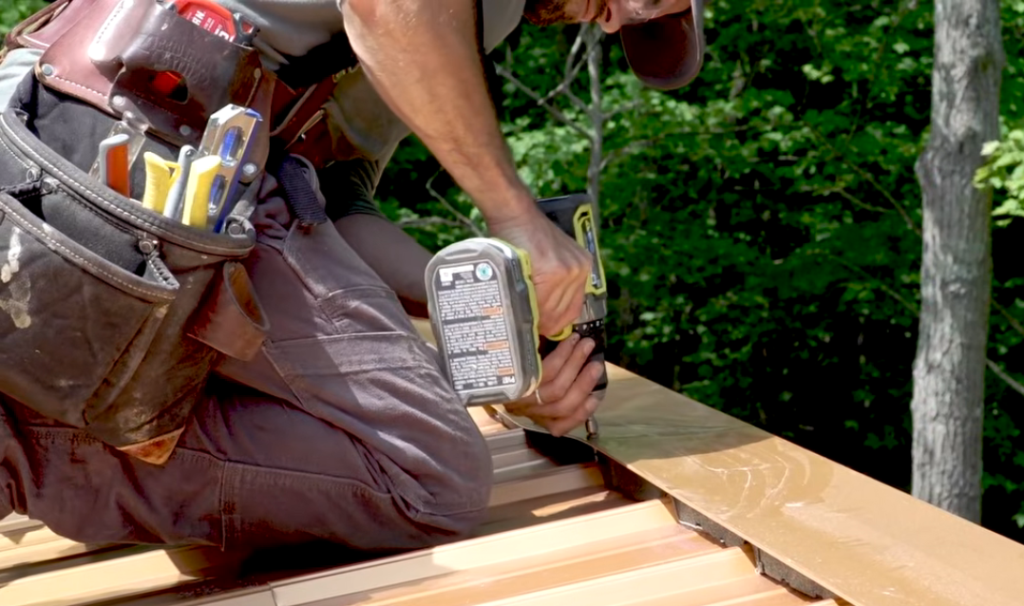
Train Your Employees to be Better Roofers
When training is done correctly, it reduces variability, improves communication, and creates predictable performance across teams and locations. However, training alone is not enough unless it is reinforced through systems that support daily execution. This is where operational structure becomes critical. Without it, even well-trained teams drift into inconsistency over time.
ProLine helps bridge that gap by providing a communication-first CRM that reinforces training through structured workflows, clear job visibility, and consistent operational processes. The result is a franchise system that not only trains well but also executes consistently, scales efficiently, and keeps teams aligned from the first lead to final payment. Book your demo now.
FAQs
What kind of training do roofing franchise companies offer?
Roofing franchises typically offer installation training, safety certification, sales training, operational workflow training, communication systems training, and reporting or performance analysis training.
Do roofing franchises train inexperienced workers?
Yes, most franchises provide structured onboarding and hands-on training so inexperienced workers can learn standardized methods for installation, safety, and operations.
How long does roofing franchise training usually take?
Training length varies, but initial onboarding can range from a few days to several weeks depending on the complexity of the systems and the role being trained.
Is sales training included in roofing franchise programs?
Yes, sales training is a core part of most franchise systems and focuses on customer communication, consultation structure, and consistent closing processes.