So, how to increase insurance supplement approvals for roofing projects? Most roofing contractors think insurance supplement approval comes down to how strong the estimate is. But in practice, approval rates are often determined by something much simpler and much more operational: how fast and how consistently you follow up after submission.
Insurance carriers are not ignoring supplements because they are wrong. They are delaying them because they are buried in volume, internal queues, and documentation review cycles that move more slowly than contractors expect. That gap between submission and action is where most revenue is lost.
If you want to understand how to increase insurance supplement approvals for roofing projects, you need to stop thinking of supplements as a one-time submission and start treating them as a managed follow-up process. At the center of that process is one simple operating rule: the 48-hour follow-up window.

Why Insurance Supplements Get Stuck in the First Place
Insurance supplements get stuck because state laws like Iowa’s prohibit roofing contractors from acting as public insurance adjusters, creating a regulatory barrier when roofers try to negotiate claims or advise homeowners on settlements. This conflict-of-interest rule exists because unlicensed contractors financially benefit from larger claims, so regulators block them from handling claims to prevent sham adjustments that inflate payouts.
Insurance supplements rarely fail because the scope is invalid. In most cases, the work is legitimate, the pricing is reasonable, and the claim is grounded in actual field conditions. The problem is timing, clarity, and persistence.
Carriers process thousands of claims at once, and supplements often enter a queue where they compete for attention with new claims, re-inspections, and internal reviews. Without structured follow-up, your supplement simply sits in the system until someone actively pushes it forward.
According to experts, property claims often involve multiple touchpoints and extended review cycles, especially when additional documentation or clarification is required. That means the approval process is not linear. It is reactive, which is exactly why follow-up discipline matters more than most contractors realize.
The 48-Hour Rule: Why Timing Changes Everything
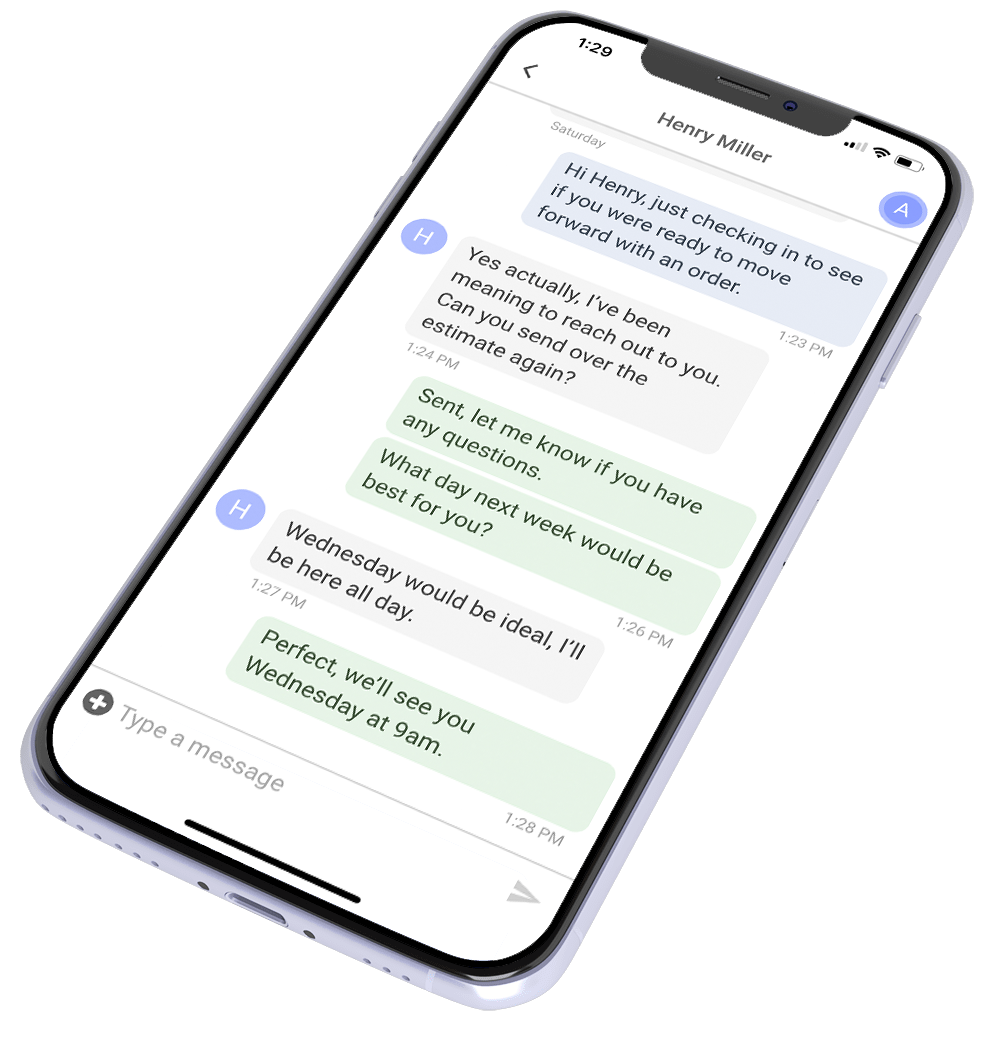
The 48-hour rule is simple but powerful. After submitting a supplement, you follow up within 48 hours, not days later, not “when you get time,” and not when the carrier reaches out. This early follow-up does three things at once. It confirms receipt of the supplement inside the carrier system. It identifies missing documentation before the file goes cold. And it signals active management of the claim, which often changes how quickly adjusters prioritize it.
At this stage, the supplement is still visible in active queues. That is the moment where movement is easiest to influence. After 48 hours, most files begin shifting into lower-priority review cycles, which is where delays start stacking up.
What a Proper Supplement Submission Should Already Include
Before the 48-hour follow-up even matters, the initial submission has to be structured correctly. This is where many approvals are won or lost. A strong supplement package typically includes:
- Clear photo documentation tied to each scope item
- Line-item alignment using standardized estimating language
- Manufacturer specifications, when applicable
- Measurement reports from tools like EagleView, Hover, RoofScope, RidgeQuote, or GAF QuickMeasure
- Justification notes that directly connect damage to scope adjustments
Without this foundation, follow-ups alone will not fix approval rates. The follow-up process amplifies quality; it does not replace it.

Where Most Contractors Lose Momentum
Even experienced roofing contractors tend to lose consistency after submission. The file is sent, and then it is left to “process.” That is where revenue leaks begin. There are three common breakdown points:
No structured follow-up schedule
Without a system, follow-ups become reactive instead of planned. That means some supplements get attention while others sit untouched.
No ownership of each supplement
If multiple people are involved, no one feels fully responsible for pushing the file forward.
No visibility into supplement status
If supplements are not tracked inside a CRM or workflow system, they become invisible until someone complains about delayed payment.
This is where operational tools matter as much as documentation quality. A communication-first CRM like ProLine helps ensure every supplement is tracked as a live workflow, not a one-off submission that disappears into inbox history.
The Role of Structured Follow-Up Cadence
Once the supplement is submitted, the goal is not to wait. The goal is to manage momentum. A structured cadence typically looks like this: Within 48 hours, confirm receipt and check for missing documentation. Within 5 to 7 days, follow up on review status and clarify any open items. Within 10 to 14 days, escalate if no movement has occurred. Beyond that point, maintain regular check-ins until resolution or formal denial.
This rhythm matters because insurance workflows are rarely linear. Files move when they are actively engaged, not when they are simply submitted. Contractors who follow structured cadences consistently report higher approval rates because their supplements stay visible in active processing cycles instead of being deprioritized.
Who Is Actually Helping Contractors Improve Supplement Performance
In the roofing and insurance supplement space, a few specialists have become known for helping contractors systemize this process rather than treating it as ad hoc admin work.
One of those is Remko Bloemhard, who works closely with contractors through his SMP Supptrax, focusing on structured supplement workflows, documentation systems, and process discipline around insurance claims.
What both of these approaches highlight is a consistent theme: supplements are not just a documentation problem; they are a process management problem. The contractors who treat them like an operational workflow consistently outperform those who treat them like a one-time filing task.
How CRM Systems Improve Supplement Approval Rates
A major shift happening in roofing operations is the integration of supplements directly into CRM workflows. Instead of tracking supplements in spreadsheets or email threads, they are now managed like active job stages. When a supplement is tied to a CRM, several things change:
- Every submission has an assigned owner
- Follow-ups are automatically scheduled
- Status updates are visible across the team
- No supplement gets forgotten or left idle
This structure reduces dependency on memory or manual tracking, which is where most delays originate. ProLine’s communication-first CRM model supports this type of workflow by ensuring that supplements are not separate from the job lifecycle. They are part of it. That integration is what keeps revenue moving instead of being stalled in administrative gaps.
The Real Reason the 48-Hour Rule Works
The 48-hour rule is effective because it aligns with how insurance processing actually behaves.
Early follow-up keeps your file active in the adjuster’s mind and system. It also helps catch missing documentation before review cycles slow down. Most importantly, it prevents your supplement from becoming “background work” inside a high-volume claims environment.
In other words, timing influences attention. Attention influences speed. And speed influences approval probability.
Embrace the Follow-Up Rule for Better Approvals
Increasing insurance supplement approvals for roofing projects is not just about writing better estimates or submitting more documentation. It is about managing timing, visibility, and follow-up discipline as a structured system. The 48-hour rule is the simplest way to enforce that discipline. It ensures your supplements stay active, visible, and moving through the carrier’s review process instead of sitting idle in backlog queues.
When you combine strong documentation, structured follow-up, and a CRM system that keeps every supplement accountable, approval rates naturally improve because nothing falls through the cracks. ProLine helps roofing contractors build that structure directly into their workflow by turning supplements into trackable, communication-driven processes inside a single CRM.
If your goal is to increase approvals, reduce delays, and recover more revenue from work you are already doing, ProLine gives you the system to make that happen consistently.
FAQs
What is the 48-hour rule in roofing insurance supplements?
The 48-hour rule refers to following up within two days after submitting a supplement to confirm receipt, check for missing information, and keep the claim active in the carrier’s review process.
How do roofing contractors increase supplement approval rates?
They increase approval rates by improving documentation quality, aligning estimates with insurer formats, and maintaining a structured follow-up cadence instead of waiting passively after submission.
Why do insurance supplements get delayed?
Delays usually happen due to high claim volumes, incomplete documentation, lack of follow-up, or missing clarity in scope justification rather than outright rejection of the work.
How important is documentation in supplement approvals?
Documentation is critical because insurance carriers rely on photos, measurements, and line-item justification to validate scope adjustments before approving additional payment.