Roofing isn’t a desk job that you can do in the comfort and safety of a typical office. You’re kneeling, climbing ladders, carrying tools, and moving across steep pitches in all kinds of weather. Every day is a test of endurance, balance, and durability (and not just for your body, but for your clothing as well).
That’s why choosing the right pants isn’t a small detail. The right pair keeps you comfortable, protects your joints, organizes your tools, and helps you move confidently on the job.
Roofers don’t just pick pants because they look good or feel soft. They prioritize flexibility for climbing, reinforced areas for safety, and fabrics that hold up to abrasion. In a trade where every slip or snag can turn into a serious injury, workwear matters just as much as ladders, hammers, or harnesses.
From reinforced knees to cargo pockets and moisture-wicking fabrics, roofing pants are made to help you stay efficient and safe from morning to the final inspection. Here’s an expanded version of that section in the ProLine style, keeping it engaging, detailed, and practical:
How the Right Gear Helps Roofing Businesses
Did you know that roofers and painters have the highest rate of falling from heights of any trade? Almost 87 out of 10,000 roofers have experienced falling from heights in this profession (as per a data set published by the BLS in 2018), leading to fractures and concussions. So, wearing the right attire (e.g., shoes and pants) will help you avoid these accidents (and also nasty lawsuits!).
Good gear isn’t just about comfort or looking the part. It’s about keeping crews safe, efficient, and productive on every job site. Roofing is physically demanding: you’re climbing ladders, balancing on steep slopes, hauling shingles, and kneeling on abrasive surfaces all day.
When your team is equipped with durable, purpose-built pants, gloves, and boots, it changes the way they work. Here’s what happens when crews have the right gear:
- They move faster: Flexible, well-fitted workwear lets roofers climb, bend, and reach without fighting their clothing. That means less wasted energy and more completed tasks in a day.
- They experience fewer injuries: Reinforced knees, abrasion-resistant fabrics, and non-slip materials reduce the risk of cuts, scrapes, and falls. Fewer injuries mean fewer interruptions and less downtime.
- They replace gear less often: Quality workwear lasts longer, even under the stress of roofing. That saves money and keeps crews focused on jobs rather than chasing worn-out pants or gloves.
- They stay organized on the roof: Pockets, loops, and tool storage keep nails, chalk lines, knives, and measuring tools at hand. Every minute saved looking for equipment adds up to hours over a week.
The combination of durable gear in the field and organized workflows in the office creates a ripple effect: more jobs get closed, crews feel confident, and schedules stay predictable. And at the end of the day, that means your team can do what every roofer wants most… finish the work safely and make it home for dinner. That’s why you should consider ProLine’s CRM to make sure your workers are not only safe from accidents but also from inefficiency.
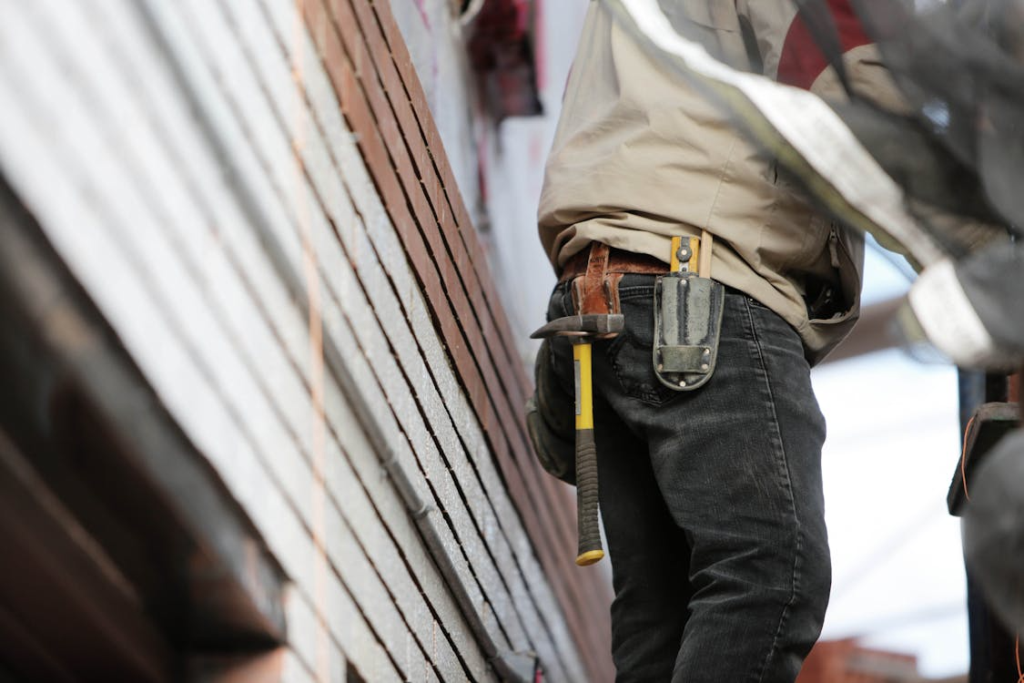
What Makes a Great Pair of Roofing Pants?
Before looking at specific models, it helps to understand what actually separates roofing pants from standard construction workwear. At first glance, most job-site pants look similar, but roofing puts far more stress on clothing than many other trades. Many roofers on the internet have talked about how they end up ruining their everyday clothes, even on simple jobs.
When you work on roofs, your pants deal with constant friction and movement. You’re kneeling on abrasive shingles, climbing ladders repeatedly, stepping across steep pitches, and carrying tools while balancing on uneven surfaces. Add in extreme weather… summer heat, winter wind, or sudden rain… and it becomes clear why ordinary work pants wear out quickly.
That’s why roofing workwear is designed with specific features that improve durability, mobility, and comfort throughout long installation days. If you want to choose the best roofing pants for your comfort and safety, make sure these pants offer you these incredible features:
Reinforced Knees
Roofers spend a large portion of the day kneeling while installing shingles or working along roof edges. Over time, this constant pressure and friction can wear through regular fabric.
Many roofing pants include double-layer knee panels or pockets for knee pads, which protect the fabric and reduce strain during long jobs. Ergonomic protective gear can also help reduce physical stress during repetitive tasks in construction work.
Durable Fabric
Roofing materials are rough on clothing. Shingle granules, sharp edges, and constant movement can quickly damage lightweight fabrics.
High-quality roofing pants usually use duck canvas, ripstop cotton, or Cordura-reinforced panels, all of which are designed to resist tearing and abrasion. These materials help pants last longer under demanding job-site conditions.
Stretch and Mobility
Roofing requires a lot of movement. You may need to crouch, climb ladders, or step across steep slopes throughout the day.
Modern work pants often include stretch fabrics or gusseted crotches, which allow you to bend and move more comfortably. This flexibility improves balance and reduces fatigue when working on complex roof structures.
Tool Storage
Roofers carry small tools constantly, including knives, chalk lines, nails, and measuring tools. Pants with cargo pockets, hammer loops, and reinforced tool pockets help keep these essentials within reach.
Efficient crews rely on organization not just in their clothing, but also in their workflow. Roofing companies often track jobs, crews, and inspections through systems like ProLine, which helps keep projects moving smoothly.
Breathability
Roofing work often happens in extreme temperatures. Asphalt shingles can absorb heat, making roofs significantly hotter than the surrounding air.
Breathable fabrics and moisture-wicking materials help regulate temperature and keep workers more comfortable throughout the day. When crews stay comfortable, they tend to work more efficiently and maintain productivity during long installations.
Common Mistakes When Buying Roofing Pants
Buying Regular Jeans
Jeans might look tough, but on a roof, they rarely last. Denim tears easily on abrasive shingles, and it offers almost no protection against nails or sharp edges. Some roofers end up with shredded knees halfway through a job, which means frequent replacements and wasted money. A purpose-built pant with reinforced knees and durable fabric saves both time and stress.
Ignoring Knee Protection
Roofers spend hours kneeling while installing shingles or flashing. Skipping knee reinforcement might save a few dollars initially, but it leads to sore knees, slower work, and faster wear on your pants. Built-in or insertable knee pads keep crews comfortable and reduce the risk of long-term injury. Over time, that comfort translates to more efficient crews and fewer sick days.
Choosing Style Over Function
It’s tempting to pick pants that look sharp or trendy, but roofing work is about performance, not fashion. Pants should prioritize durability, flexibility, and storage. Cargo pockets, hammer loops, and stretch panels matter more than the color or slim fit. Style can come second; function has to come first. When you’re choosing roofing shoes, you have to go with functionality as well.
Buying Cheap Pants Frequently
Some roofers try to save money by buying the cheapest pants they can find. It often backfires. Cheap work pants wear out quickly, tear under the stress of ladders and shingles, and fail to protect your knees and tools.
Over the long term, investing in higher-quality pants like Snickers or Blaklader pays off. You replace gears less often, crews stay productive, and you avoid unnecessary downtime.
Overlooking Weather and Breathability
Roofing doesn’t stop for the weather. Pants that aren’t breathable in summer or insulated in winter make long days uncomfortable, reduce focus, and can even lead to heat stress or cold-related injuries. Choosing weather-appropriate materials keeps crews safe and alert.

Get The Best Roofing Pants for Comfort & Safety
Roofing pants aren’t fashion statements; they’re a crucial part of a roofer’s toolkit. Pants like Snickers Workwear, Blaklader, Duluth Trading, and Carhartt are built for the specific demands of roofing: flexibility for ladders and kneeling, reinforced areas for safety, and enough pockets to keep tools within reach.
Choosing durable, well-designed workwear reduces accidents, improves efficiency, and helps you focus on the job rather than your clothing.
When selecting pants, think about fit, durability, tool storage, and comfort, and avoid unsafe options like baggy jeans or slippery fabrics. The right workwear keeps you moving confidently across roofs, protects your joints, and lets you stay productive all day.
Investing in purpose-built roofing pants is an investment in your safety, efficiency, and peace of mind on every job.
FAQs | Roofing Pants for Comfort and Safety
What makes a roofing pant different from regular work pants?
Roofing pants are designed for kneeling, climbing, and heavy tool use. They often include reinforced knees, abrasion-resistant fabrics, stretch panels for mobility, and multiple pockets for tools, i.e., features standard pants don’t have.
Can I use generic work pants on a roofing job?
You can, but it increases your risk of injury and wear. Generic pants may tear easily, lack proper flexibility, or fail to support knee pads, all of which can lead to slips, falls, or fatigue.
How important is stretch and mobility in roofing pants?
Yes, climbing ladders, kneeling on shingles, and navigating steep pitches all require pants that move with your body. Stretch panels or gusseted designs reduce strain and keep you safer on the job.
Are reinforced knees really necessary?
Yes, roofers spend hours kneeling, which puts pressure on their knees and pants. Reinforced knee areas or integrated knee-pad pockets protect both your joints and your pants, extending their lifespan.
How do I know which pants are right for me?
Consider your daily tasks, weather conditions, and tool needs. If you kneel often, prioritize knee reinforcement. If you climb and bend constantly, look for flexible fabrics. For tool-heavy days, cargo pockets and loops are essential.