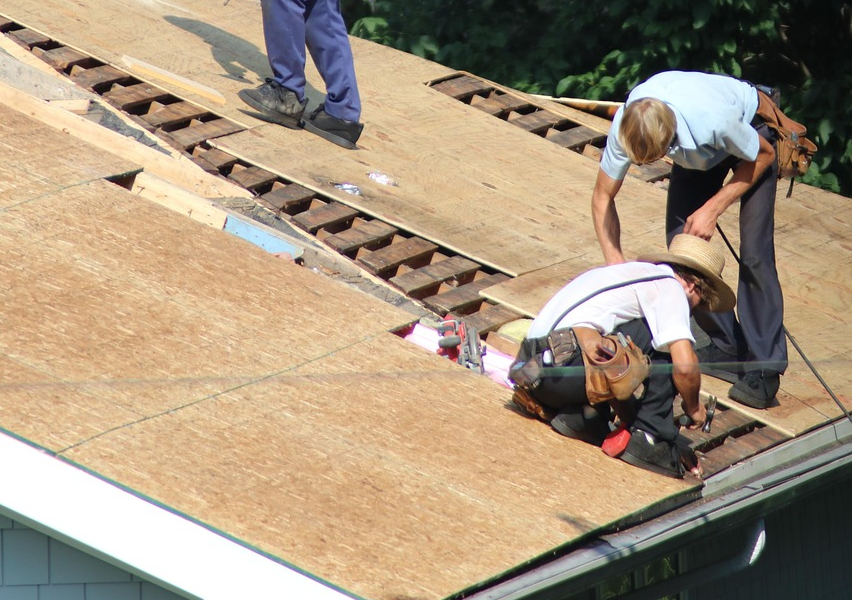
Running a successful roofing company isn’t just about nails, shingles, and ladders. The top contractors operate on a foundation of well-defined roofing standards and systems that streamline operations, protect margins, and ensure their crews can make it home safely every night. Without these frameworks, even the most skilled roofers risk inefficiencies, mistakes, and frustrated homeowners. Following the latest trends helps roofers survive industry shifts.
Whether you’re managing a single crew or multiple teams across a service area, adopting industry standards and establishing internal systems separates the “good” contractors from the “great.” This guide dives into the exact practices top roofers rely on to maintain consistency, efficiency, and quality.
Why Standards Matter in Roofing
Roofing is one of the most physically demanding and technically precise trades in construction. It’s a well-known fact that roofing consistently ranks among the most dangerous professions, with falls, equipment accidents, and exposure risks threatening crews daily. Beyond safety, standards ensure:
- Consistency Across Crews: Every job, whether a small repair or a full replacement, meets the same quality benchmarks.
- Efficiency: Well-defined systems reduce wasted time, double work, and the risk of miscommunication.
- Customer Confidence: Homeowners notice when jobs are structured, predictable, and professionally documented.
- Scalability: Standardized operations allow a company to expand without collapsing under complexity.
Establishing Safety Standards
Safety is the non-negotiable baseline. Top contractors invest heavily in crew protection, training, and compliance. They don’t view safety gear as an expense; they see it as an investment in efficiency, morale, and reputation. They have fall protection measures that reduce the risk of injuries in this fall-prone profession. Key safety standards include:
- Harnesses & Fall Arrest Systems: Every crew member must wear properly rated harnesses, connected to secure anchor points. Falls remain the leading cause of fatalities among roofers, making this standard critical.
- Protective Helmets and Eyewear: Helmets with chin straps, safety glasses, and face shields reduce injuries from debris, tools, and weather hazards.
- Non-Slip Footwear: Boots designed for traction on steep pitches reduce slips and improve balance. Popular options among professionals include Thorogood, Cougar Paws, and Merrell.
- Gloves and Protective Clothing: Quality gloves protect hands from nails, shingles, and sharp tools, while clothing designed for sun and wind exposure keeps crews comfortable.
- Training Programs: Beyond equipment, top contractors run regular safety training sessions. OSHA-compliant programs and internal refreshers ensure every team member knows protocols before stepping on a roof.
Defining Workflow Systems
Efficiency starts with clarity. Confusion over who does what, when, and how leads to missed deadlines, overworked crews, and upset homeowners.
Top contractors avoid this by mapping out workflows for every stage of the roofing process. Want to grow your roofing business in 2026? You need to follow the key elements of a strong workflow system that include:
- Lead Management: Every new inquiry is tracked from first contact through estimate, follow-up, and final approval. Using a system like ProLine ensures no lead falls through the cracks.
- Job Scheduling & Crew Assignments: Assignments are made based on skill set, crew size, and availability, ensuring every job is appropriately staffed and on time.
- Inspection & Documentation Protocols: Standard checklists for pre-job inspections, ongoing progress checks, and final inspections maintain consistency and reduce errors.
- Change Order Management: Every modification is documented, approved, and communicated to both the office and the homeowner.
- Communication Loops: Real-time updates between crews, office staff, and clients prevent miscommunication. ProLine consolidates messaging, photos, and notes in a single platform for clarity.

Material & Inventory Systems
Top contractors don’t leave materials management to chance. Running out of shingles mid-job or misplacing specialized tools disrupts timelines and margins, especially when you’re dealing with complex roof shapes and sizes. Standardized material systems can streamline ordering, tracking, and usage. Best practices include:
- Inventory Tracking: Every item (shingles, nails, flashing, and tools) is logged and monitored. Digital solutions like ProLine allow managers to see who has what, reducing waste and theft.
- Supplier Relationships: Preferred suppliers with fast turnaround, bulk discounts, and dependable delivery schedules ensure materials arrive on time.
- Standardized Ordering: For repeat jobs, maintain a list of commonly used materials and their quantities. This speeds procurement and prevents last-minute substitutions.
- On-Site Organization: Materials are staged logically, reducing the time crews spend searching for supplies.
Documentation Standards
Documentation is no longer optional; it’s a crucial expectation from homeowners, insurance companies, and regulators. After all, we notice that the roofing insurability crisis is worsening in places like Solano County, CA. So, top contractors maintain detailed, accurate records throughout every job. Key documentation practices include:
- Photo Documentation: Capture each slope, vent, penetration, and completed section. Drones are increasingly used for aerial inspections, reducing risk and improving perspective.
- Digital Notes & Annotations: Use apps to annotate photos, mark defects, and track issues. Every image and note is tied to the job for future reference.
- Job File Organization: Keep estimates, change orders, warranties, permits, and communication logs in a single, centralized system. ProLine’s CRM allows all this information to be accessed by both office staff and crews in real-time.
- Compliance Tracking: Ensure all jobs meet local building codes and insurance requirements, including date-stamped records and standardized forms.
Scheduling & Time Management Standards
Top contractors understand that time is money. A job delayed by poor scheduling is basically lost revenue, frustrated crews, and unhappy clients. Establishing scheduling systems ensures work progresses smoothly, especially when we see that labor shortage is the main reason why so many roofing jobs get delayed in the US. So, your best practices include:
- Crew Rotation Planning: Assign teams to jobs based on location, skill, and workload, preventing burnout and maximizing efficiency.
- Material Delivery Coordination: Schedule deliveries to arrive just-in-time to prevent site congestion and storage issues.
- Weather Contingency Planning: Anticipate delays due to rain, wind, or extreme heat and communicate adjustments to clients proactively.
- Time Tracking: Track crew hours and progress digitally to identify bottlenecks, evaluate performance, and prevent overstaffing or downtime.
Customer Experience Systems
Roofing is competitive, and homeowners increasingly base decisions on communication, transparency, and predictability rather than price alone. Top contractors implement systems to deliver exceptional experiences.
- Automated Updates: Notify clients of scheduling, inspections, and material arrivals. ProLine can automate messages, photos, and reminders.
- Clear Documentation Sharing: Share progress photos, inspection notes, and change orders with homeowners to reinforce professionalism.
- Responsive Communication: Centralize inquiries and follow-ups to avoid missed calls or messages.
- Post-Job Follow-Up: Request reviews, check for satisfaction, and provide maintenance tips.
Performance Metrics & Continuous Improvement
Top roofing companies measure what matters. Standard systems track performance across jobs, crews, and offices, enabling data-driven improvement. If your roofing revenue started stalling, it probably means you didn’t evaluate your performance or calculate your earnings the right way. Key metrics include:
- Crew Productivity: Compare estimated vs. actual job completion times.
- Job Cost Accuracy: Track material, labor, and overhead against estimates.
- Customer Satisfaction: Monitor reviews, follow-up feedback, and complaints.
- Lead Conversion Rates: Evaluate how many inquiries turn into booked jobs.
Why Top Contractors Use ProLine
All the systems, standards, and best practices above work best when supported by the right technology. ProLine’s communication-first CRM ties every process together, from lead capture to crew updates, photo documentation, scheduling, and reporting. With ProLine, contractors can:
- Sell more jobs by staying on top of leads and follow-ups.
- Reduce operational chaos by centralizing communication and documentation.
- Protect margins by tracking material usage, labor, and costs accurately.
- Make it home for dinner because the system reduces firefighting, missed calls, and redundant work.
If you want to implement these standards seamlessly across your roofing business, it helps to have a tool that consolidates leads, jobs, crew updates, and follow-ups in one platform. Let’s get started.
FAQs | Roofing Standards & Systems
What are roofing standards, and why do they matter?
Roofing standards are repeatable processes, safety protocols, and operational guidelines that ensure every job is completed consistently, safely, and efficiently. They reduce errors, protect crews, and improve customer satisfaction.
How do top contractors track crew performance?
They track estimated vs. actual completion times, material usage, job costs, and customer feedback. Using a CRM like ProLine centralizes all this data, making it easy to spot bottlenecks and adjust workflows.
Do all roofing companies need a CRM?
While smaller crews can manage with basic tools, a CRM becomes essential as you scale. It centralizes communication, documentation, scheduling, and reporting, reducing chaos and missed opportunities.
How do contractors maintain quality across multiple crews?
Top contractors use standardized checklists, inspections, random spot checks, and feedback loops. Consistency is enforced through training and documented systems, often tracked digitally.
Can safety standards really improve efficiency?
Yes, well-trained crews with the right protective gear complete work faster and with fewer accidents. Safety reduces downtime from injuries, increases morale, and ensures compliance with regulations.