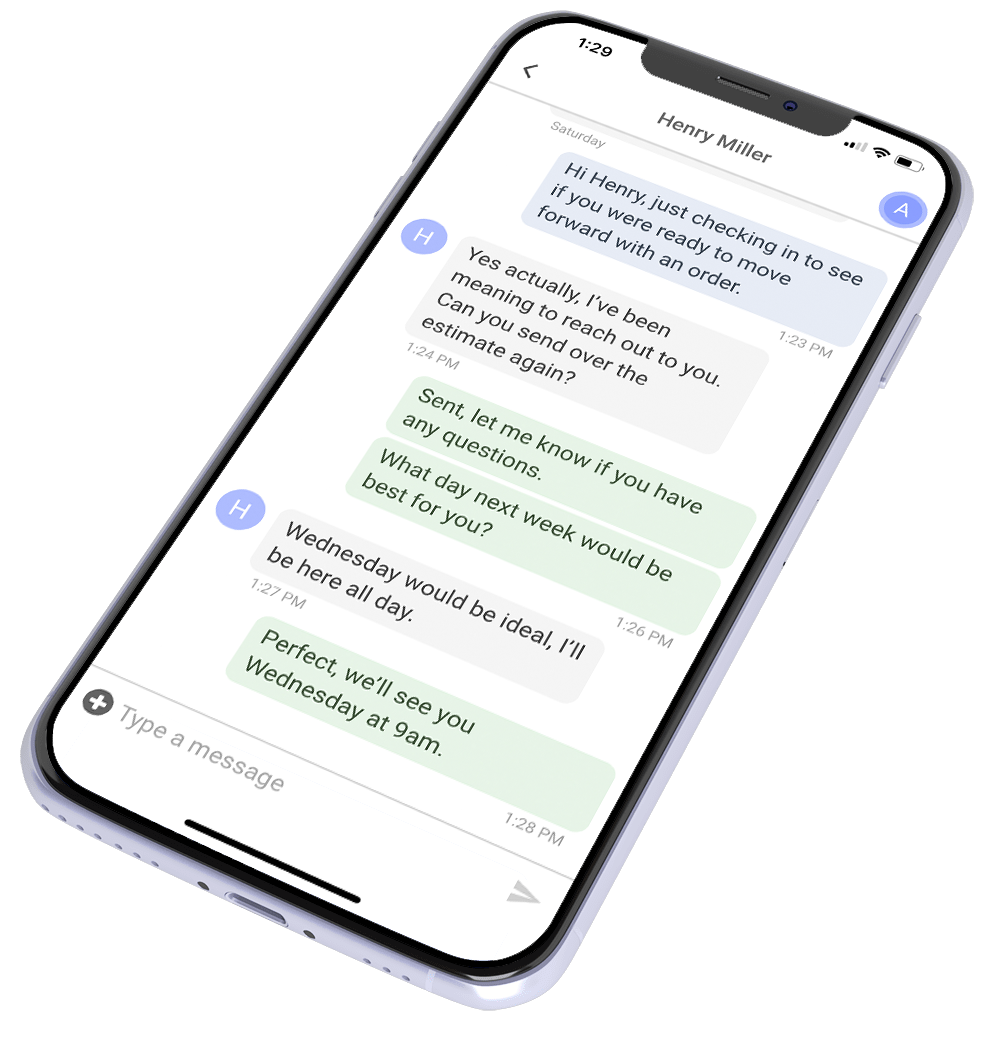
Growing a roofing franchise network is one thing, especially when you have access to so many roofing franchise opportunities these days. Growing it efficiently, with franchisees who are confident, capable, and ready to operate in just thirty days, is something entirely different. Many franchisors underestimate how much of an impact proper onboarding can have on long-term success. The faster a franchisee becomes operational, the sooner they can generate revenue, establish a reputation in their territory, and contribute to your brand’s growth.
Onboarding a new roofing franchise in thirty days or less is ambitious, but entirely achievable. It requires planning, structure, clear communication, and the right tools. In this article, we’ll walk you through the steps you can take to ensure your new franchisees are not only ready to start but positioned for success from day one.
Understanding the Importance of Speed and Structure
When a franchise opportunity is finalized, every day counts. Time lost in indecision or confusion directly translates to lost revenue and momentum.
- A franchisee who feels lost during the first month may struggle to gain confidence, fail to meet operational expectations, and even risk disengagement.
- On the other hand, a new franchisee who is guided through a structured onboarding process will feel supported, understand your systems, and start generating results quickly.
The thirty-day window is not arbitrary. It forces you to prioritize what truly matters and eliminates unnecessary distractions that often bog down new franchisees. This process ensures they are competent in core operational areas, understand marketing fundamentals, and are capable of handling customers professionally… all while remaining aligned with your brand standards.
Preboarding: Start Before Day One
Onboarding begins well before a franchise agreement is signed. Preboarding is the process of preparing a franchisee to hit the ground running from the moment they officially join your network. This step is critical because it builds confidence and sets expectations. One of the first things you can do is provide a preboarding packet.
- This packet should include a welcome letter, an overview of the first thirty days, key contacts within your organization, and a summary of the tools and systems they will use.
- Providing this information upfront gives franchisees a sense of direction and reduces the anxiety that often accompanies starting a new business.
Another essential component of preboarding is early access to training materials. Many franchisors use learning management systems (LMS) to deliver online courses covering brand standards, basic operational procedures, and safety protocols.
Allowing franchisees to access these materials before their official start date accelerates learning and ensures they are already familiar with the basics when formal onboarding begins.
Week One: Establishing Foundations
The first week of onboarding is all about setting a strong foundation. At this stage, your franchisee should be introduced to your company culture, operational standards, and key systems.
- Begin with a comprehensive orientation session, ideally conducted via video call or in person. During this session, outline your brand values, explain the onboarding roadmap, and introduce the key team members who will provide support. Clarify communication expectations, including preferred channels, response times, and points of contact.
- Once orientation is complete, focus on systems setup. Franchisees need access to tools that enable efficient operations, including CRM software, scheduling platforms, estimating tools, and communication channels. Take the time to walk them through each system, explaining its purpose and functionality.
Hands-on practice is crucial at this stage; logging in and completing simple tasks helps franchisees build confidence quickly.

Week Two: Mastering Core Skills
With the foundation in place, the second week should focus on operational proficiency and core skills. This is where franchisees begin learning the day-to-day tasks that will keep their business running. There are three critical areas that need your focus:
- One of the most critical areas is sales and estimating. A franchisee cannot generate revenue without being able to accurately assess jobs and present estimates professionally. Provide detailed training on roofing inspections, measurement techniques, and the use of your estimating software.
- In addition to sales, teach standard operating procedures (SOPs). These procedures should cover lead follow-up, appointment scheduling, customer communication, and job execution. Clear, step-by-step playbooks reduce confusion and ensure that franchisees handle tasks consistently and according to your brand standards.
- Week two should also include shadowing opportunities. Allow the new franchisee to observe experienced teams in action, whether in the field or during office operations. Observing real-world application of SOPs helps bridge the gap between theory and practice, allowing franchisees to internalize processes more effectively.
Week Three: Hands-On Practice
By the third week, it is time to transition from observation to active practice. Franchisees need real-world exposure to build competence and confidence.
- Start with on-site field experience, pairing new franchisees with seasoned crews. They should witness proper safety protocols, customer interactions, and operational workflows.
- In addition to field experience, provide simulated exercises. Have the franchisee conduct mock sales calls, create sample estimates, and manage test leads in the CRM
- Weekly check-ins during this period are essential. Review progress against the thirty-day plan, identify gaps, and provide targeted support. This keeps the franchisee on track and prevents small issues from becoming significant obstacles.
Week Four: Launch and Go-Live
The fourth week is where everything comes together. The goal is to prepare the franchisee for full operational independence while ensuring they have the support needed to succeed.
- Begin with a final competency assessment. Review systems access, SOP adherence, sales and estimating skills, and overall readiness. Use checklists to verify that all essential tasks are complete and standards are met.
- Next, ensure the franchisee’s marketing efforts are fully operational. Their website, social media profiles, and local advertising campaigns should be live and generating leads. Integrate these efforts with the CRM so that incoming leads are captured, tracked, and managed efficiently.
- Finally, establish performance metrics and reporting expectations. Define the key performance indicators (KPIs) for the first month, including leads generated, estimates completed, jobs scheduled, and revenue closed.
Communication and Accountability
Clear communication is the backbone of successful onboarding. Franchisees should always know who to contact, what is expected, and when tasks need to be completed.
- Establish regular check-ins: daily or bi-daily calls during the first two weeks, and weekly reviews during weeks three and four.
- Maintain a centralized communication hub where all onboarding discussions, documents, and updates are stored.
This prevents confusion, ensures accountability, and allows franchisees to focus on learning and executing rather than chasing information.
Celebrating Milestones and Building Confidence
Onboarding is not just about completing tasks; it is also about building confidence and engagement. Celebrate achievements along the way, from completing the first training module to submitting the first estimate.
Recognizing these milestones reinforces progress, motivates franchisees, and helps create a sense of accomplishment.
Continuous Improvement and Feedback
No onboarding process is perfect. After the thirty-day program, gather feedback from franchisees about what worked well, what was confusing, and what could be improved.
Use this feedback to refine your onboarding roadmap, ensuring that each new franchisee has an even smoother experience. Continuous improvement is the key to scaling a franchise network efficiently.
What Success Looks Like at the End of 30 Days
Choosing your roofing franchise software isn’t a decision you can make willy-nilly. You should look into the core features you’re getting. That’s why you can successfully make sure that new companies are comfortable in your franchise ecosystem. By the end of the thirty-day onboarding period, a successful franchisee should be able to:
- Operate all essential systems independently
- Conduct accurate estimates and present proposals professionally
- Manage daily operations according to SOPs
- Handle customer interactions with confidence
- Launch marketing campaigns and track incoming leads
- Report on key performance metrics accurately
In the words of Carnie Fryfogle, the CEO of CR3 American Exteriors, “If we signed on a new strategic partner today, within about 12 seconds they could get our full CRM deployment template into their account… previously, the CRM provider that we were with, what we had to do is go into every single account and duplicate and rebuild everything.”

Onboard New Franchisees with Confidence + ProLine
By treating onboarding as a strategic, measurable process rather than a checklist of tasks, you can position new franchisees to succeed from day one. With clear expectations, consistent support, and the right technology, thirty days is not just enough; it is the perfect window to transform a new franchisee from a novice into a confident operator ready to contribute to your brand’s growth. If you want to get started, you should book a demo with ProLine right away.
FAQs | Franchise Onboarding Challenges
Can every new franchise really be onboarded in 30 days?
Yes, it is possible if there is a structured plan, dedicated support, and the right tools in place. While some franchisees may need extra guidance, following a clear 30-day roadmap ensures that most can reach operational readiness efficiently.
What should I focus on first during onboarding?
Start with foundational skills that impact revenue and operations: understanding your systems, learning sales and estimating, and mastering core SOPs. Marketing and advanced processes can be introduced once these essentials are in place.
How do I ensure long-term success after onboarding?
Onboarding is just the first step. Continue supporting franchisees with ongoing training, performance reviews, mentorship, and regular communication. Setting clear expectations and providing consistent feedback helps new franchisees maintain momentum and achieve sustainable growth.