How do roofing insurance supplements affect insurance payouts? Most roofing contractors think insurance payouts are fixed once the adjuster’s estimate lands. But in practice, that estimate is not the final number. It is the starting point of a negotiation process that continues until the job is fully documented, fully justified, and fully closed out. That is exactly where insurance supplements come in.
If you understand how roofing insurance supplements affect insurance payouts, you stop treating claims as a single event and start treating them as a managed revenue cycle. The payout is not just influenced by damage or pricing tables. It is shaped by documentation quality, timing, follow-up discipline, and how well your internal systems support the process after the inspection is done.
In roofing, the difference between a standard payout and a fully optimized payout is often not the insurance policy. It is the contractor’s process.

What Insurance Supplements Actually Are in a Roofing Claim
Insurance supplements are adjustments submitted after the initial estimate when additional scope of work is identified. They are not “extra requests” in a casual sense. They are formal updates to the claim that correct gaps between what was estimated and what is actually required to complete the roof properly.
Adjusters work under time constraints and standardized estimating assumptions. That means they often miss or underprice real-world conditions that only become obvious during production. These commonly include:
- Missing materials such as ice and water shield, drip edge, or upgraded underlayment
- Incorrect or incomplete measurements affecting the total roof area
- Code compliance upgrades required by local jurisdictions
- Steep slope labor adjustments that were not properly calculated
- Disposal, permits, or tear-off complexities not fully captured
- Manufacturer-specific installation requirements tied to warranty compliance
Each of these items has a cost attached to it. If they are not added through a supplement, that cost is absorbed by the contractor. Ditch those old-fashioned Excel Spreadsheets and get the best communication-first roofing CRM to boost your supplemental revenue.
Why Insurance Supplements Directly Change the Final Payout
Insurance supplements are not symbolic adjustments. They directly change the financial outcome of a claim by modifying the approved scope of work. Once a supplement is approved, it becomes part of the official claim file. That means the insurer recalculates the payout based on the updated scope, not the original estimate. This creates three realistic payout scenarios in roofing projects.
- The first scenario is where no supplement is submitted or approved, which means the contractor completes the job based only on the original estimate. This almost always results in underpayment relative to actual work performed.
- The second scenario is partial supplement approval, where some missing scope is recovered but not all requested items are accepted. This is the most common outcome when documentation is inconsistent or follow-up is weak.
- The third scenario is full supplement recovery, where all legitimate missing scope items are approved and added to the claim. This produces the highest payout aligned with actual job requirements. The gap between these outcomes is not random. It is process-driven.
Where Roofing Contractors Lose Insurance Revenue
Most roofing contractors do not lose money because the insurance company refuses to pay. They lose money because the supplement process is not managed as a structured workflow, so it suffers from certain bottlenecks. There are three recurring breakdown points that directly affect payout outcomes and make it necessary to carefully choose your supplement tracking software:
Incomplete or weak documentation
Insurance carriers rely heavily on evidence-based validation. Photos, measurements, manufacturer requirements, and code references all play a role in whether a supplement is approved. When documentation is incomplete or disconnected from specific line items, even valid scope can be reduced or denied. The issue is not whether the work exists. It is whether it is clearly proven.
Misalignment with the insurer’s estimating structure
Insurance carriers use standardized systems like Xactimate to structure estimates. If supplement requests are not aligned with that structure, they require additional review, clarification, or justification. This slows down approvals and often results in partial acceptance instead of full adjustment.
Lack of structured follow-up
Once a supplement is submitted, many contractors move on to the next job. Without a defined follow-up cadence, the file sits in review queues without active management. Insurance workflows are not designed for urgency. They respond to pressure, clarity, and structured engagement.

The 48–72 Hour Window That Changes Outcomes
The first few days after submission are critical because that is when the claim is still active in initial review queues. If follow-up happens within this window, contractors can:
- Confirm receipt of documentation
- Identify missing or unclear items early
- Prevent the file from moving into delayed review status
- Reinforce urgency without escalation
After this window closes, the supplement typically moves into slower internal queues where visibility decreases and response time increases. This is why structured follow-up is not optional in high-performing roofing operations. It is a core part of revenue recovery.
How Supplements Compete With Insurance Carrier Workflow Reality
It is important to understand that insurance adjusters are not ignoring supplements intentionally. They are working within high-volume systems where priorities constantly shift.
A single adjuster may be managing multiple claims at different stages, including inspections, re-inspections, approvals, and documentation reviews. Supplements without follow-up often get pushed into lower-priority queues simply due to workload distribution.
That means contractors are not just submitting documentation. They are competing for attention inside a constrained system. The contractors who consistently win higher payouts are the ones who treat supplements as an active workflow, not a passive submission.
Why CRM Systems Are Now Central to Supplement Performance
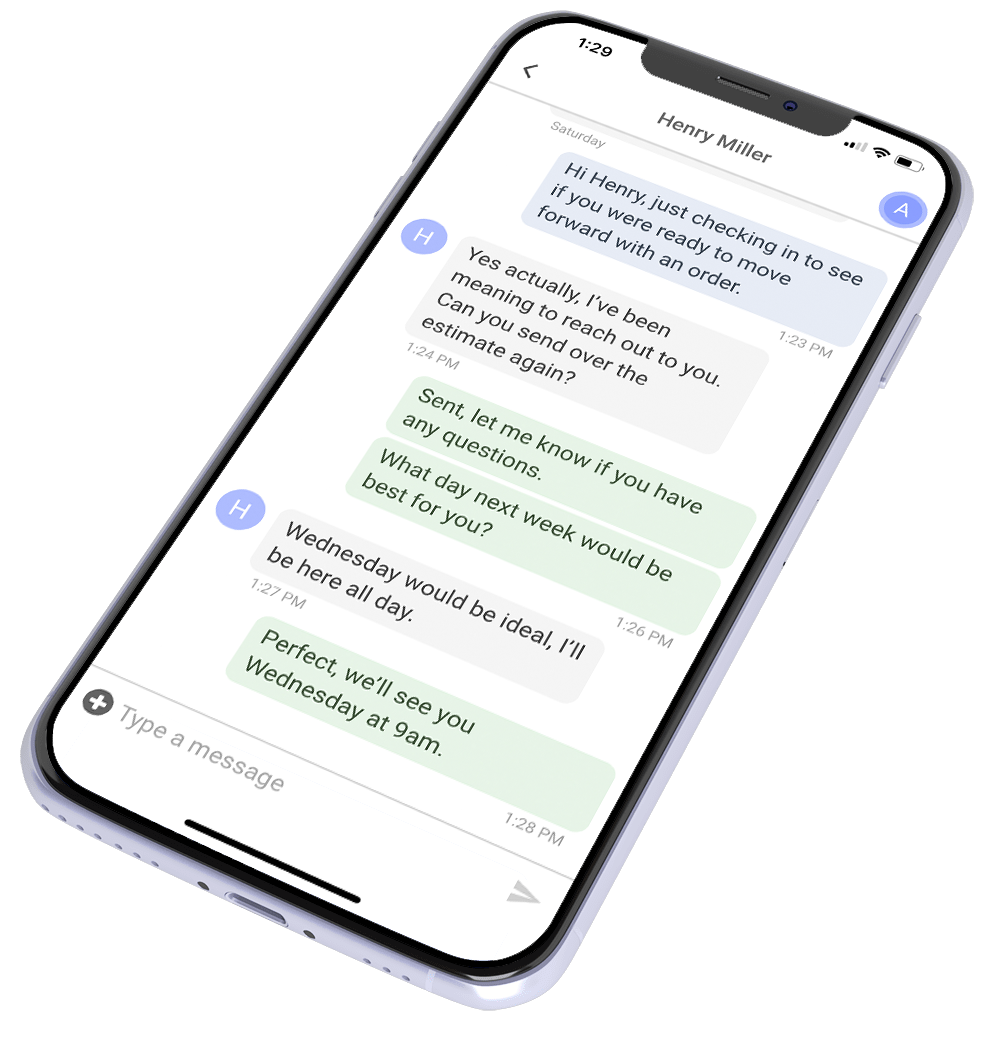
As supplement complexity increases, many roofing companies are moving toward structured CRM-based workflows to manage insurance claims. A roof franchise CRM is not just a lead tracking tool in this context. It becomes the operational system that controls visibility, timing, and accountability across the supplement lifecycle.
When supplements are managed inside a CRM system, several operational improvements occur:
- Each supplement has a clear owner responsible for follow-up
- Submission dates and follow-up deadlines are tracked automatically
- Documentation is tied directly to job records instead of emails or folders
- Status visibility prevents supplements from being forgotten
- Revenue recovery becomes measurable and predictable
This is where systems like ProLine become relevant. Instead of treating supplements as isolated admin tasks, they are embedded into the same workflow that manages the entire job lifecycle from lead to payment. That structure is what prevents revenue leakage.
Who Is Helping Contractors Improve Supplement Outcomes
As the insurance supplement space has become more complex, specialized operators and platforms have emerged to help contractors improve structure and consistency.
One of those contributors is Remko Bloemhard, who works with contractors through Supptrax, focusing on systemizing supplement workflows, improving documentation standards, and helping contractors build repeatable processes that reduce revenue loss.
What both approaches reinforce is a simple operational truth: insurance payouts are not only determined by policy language or damage assessment. They are heavily influenced by process discipline and operational structure.
The Real Financial Impact of Supplements on Roofing Businesses
Insurance supplements do not just increase individual job payouts. They influence overall business performance at scale. When supplements are consistently managed well, contractors recover revenue that would otherwise be absorbed as cost. This improves gross margin without requiring additional sales volume. In practical terms, that means you are increasing profitability on work you have already sold.
When supplements are poorly managed, the opposite happens. Revenue leakage occurs silently across multiple jobs, reducing overall profitability even when sales performance appears strong. Over time, this creates a compounding gap between structured operators and unstructured operators. The difference is not visible in a single job, but it becomes very clear across a full season of work.
Why Follow-Up Discipline Is the Real Advantage
Most contractors assume supplement success is about better estimating or better documentation. Those matter, but they are only part of the equation. The real differentiator is follow-up discipline.
Contractors who maintain structured follow-up cycles tend to recover more because they keep claims active inside carrier systems. They reduce delays, prevent files from stalling, and increase the likelihood of full review rather than partial processing.
- Without follow-up, even well-documented supplements can lose momentum.
- With follow-up, even moderately complex claims can move toward full approval.
Keep in mind that patience is a key growth strategy for modern-day roofers. Also, make sure that you have a decent relationship with your main insurance provider.

Get the Best CRM to Streamline Insurance Supplements
ProLine helps roofing contractors build that structure directly into their daily operations by turning insurance supplements into trackable, accountable workflows inside a communication-first CRM. That means fewer missed follow-ups, better visibility across claims, and stronger revenue recovery on work you are already performing. Book your demo today!
FAQs
How do roofing insurance supplements affect insurance payouts?
They increase the final payout by adding missing or underpaid scope items that were not included in the original estimate, ensuring the contractor is paid for the full scope of work.
Why are insurance supplements important in roofing claims?
They are important because initial estimates often miss field conditions, code requirements, or material needs that are only identified after inspection or during production.
What causes insurance supplements to be underpaid?
Common causes include incomplete documentation, misalignment with insurer estimating formats, and lack of consistent follow-up after submission.
Do supplements always increase payout amounts?
Not always, but they often increase payouts when properly documented and actively managed. Some requests may be partially approved depending on evidence quality.
How does follow-up impact supplement success?
Follow-up keeps claims active in insurance review systems, prevents delays, and increases the likelihood of full evaluation instead of passive backlog processing.